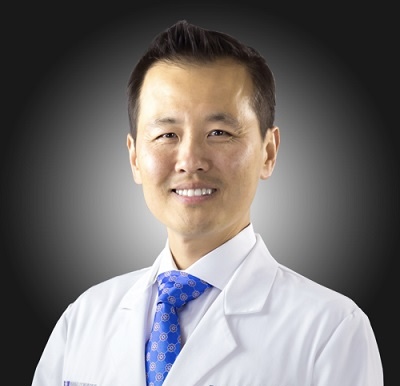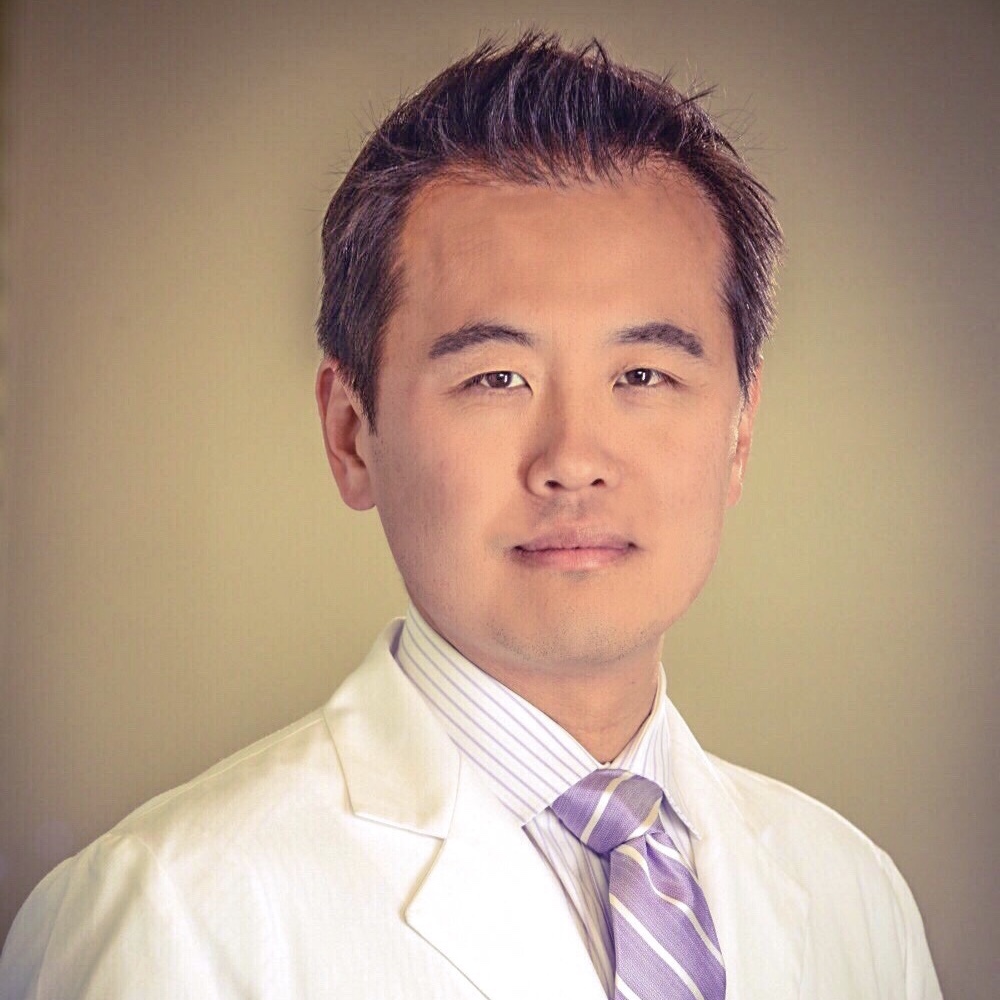
By Dr. Douglas Sung Won, MD
My professional journey has never followed a straight line, but it has always followed a clear principle: healthcare works best when it is designed as a system rather than treated as a collection of isolated actions. Over more than two decades, my career has evolved from clinical innovation to systems architecture, guided by the belief that durable outcomes emerge from structure, alignment, and long-term thinking.
I am Dr. Douglas Sung Won, MD, a physician by training and a healthcare systems architect by practice. My early years were shaped inside the operating room, where I developed a deep respect for precision, judgment, and accountability. Beginning in 2005, I was among the early adopters and pioneers of endoscopic spine surgery, working at a time when minimally invasive techniques were still emerging and often misunderstood. That period taught me not only how innovation advances medicine, but also how fragile progress can be when systems are not built to support it.
Clinical excellence, however, was never the endpoint for me. As my experience grew, I became increasingly aware that patient outcomes were influenced as much by the surrounding infrastructure as by the procedure itself. Fragmented referrals, delayed diagnostics, disconnected recovery pathways, and misaligned incentives consistently undermined even the best clinical care. I realized that medicine did not suffer from a lack of expertise, but from a lack of coherent design.
This realization marked the beginning of a broader phase of my career. I became deeply involved in building integrated healthcare environments that treated care delivery as a unified continuum rather than a sequence of disconnected events. As Co-Founder and Co-CEO of the Minimally Invasive Spine Institute, I helped develop one of the region’s early vertically integrated spine care models. Diagnosis, intervention, and recovery were intentionally connected, reducing friction for patients and restoring continuity across the care journey.
That systems-oriented approach later expanded significantly through my work as Founder and CEO of Lumin Health. At Lumin Health, I architected a large-scale, physician-driven, vertically integrated healthcare ecosystem operating across multiple states. The system included multi-specialty clinics, integrated spine centers, freestanding emergency rooms, urgent care facilities, imaging and diagnostic services, rehabilitation networks, and joint-ventured surgical hospitals and ambulatory surgery centers. Each component was designed to reinforce the others rather than compete for attention or resources.
What defined this work was not growth alone, but coherence. Expansion was guided by architecture, not opportunism. We focused on how information flowed, where authority lived, how accountability persisted across transitions, and how scale could be achieved without fragmenting clinical identity. These principles allowed the organization to grow while maintaining stability and clarity of purpose.
In parallel with system building, I also contributed to innovation at the intersection of medicine and engineering. As Founder of Accel Spine, I worked on the development of minimally invasive spine instrumentation, translating clinical insight into practical solutions that advanced surgical capability and patient recovery.
Today, my work has entered its current phase. I operate as an Independent Strategic Advisor and Healthcare Systems Architect, advising organizations on MSO strategy, vertical integration, hospital–physician alignment, and surgical hospital development. I focus on helping leaders design healthcare systems that can endure complexity, adapt to change, and scale without losing coherence. My advisory role is not about short-term tactics, but about long-term structure.
Alongside this work, I maintain a strong interest in longevity and health optimization. Through my educational and coaching-focused initiatives, including Neogevity Life, I approach health as a system that must be designed for resilience and sustainability. This work is non-clinical in nature and reflects my belief that durable performance, whether organizational or individual, is always the product of thoughtful structure.
When I reflect on my career, a single theme connects each chapter. Whether in the operating room, the boardroom, or the advisory setting, outcomes are shaped by systems. Titles change, roles evolve, and technologies advance, but architecture remains foundational.
As Dr. Douglas Sung Won, MD, my work continues to be guided by one question: how do we design healthcare systems, and human systems, that are built not just to function, but to last?
Explore my story and background here:
https://www.practo.com/houston/doctor/douglas-sung-won
https://www.zocdoc.com/doctor/douglas-won-md-137207
https://www.healthgrades.com/physician/dr-douglas-won-x4kkb
https://care.healthline.com/find-care/provider/dr-douglas-won-1194765552
https://www.vitals.com/doctors/Dr_Douglas_Won.html
https://www.facebook.com/DrWonMD/
https://articles.abilogic.com/776800/clinical-pioneer-strategic-advisor-evolution.html