


Physio Westlakes Education for Better Movement
Understanding how your body moves is one of the most important steps toward preventing injury and managing pain. A professional Physio Westlakes clinic does more than provide treatment. It educates patients about movement, strength, posture, and recovery so they can make informed decisions about their health.
Residents of West Lakes and surrounding suburbs lead diverse lifestyles. Some spend long hours at desks, while others participate in community sport or regular coastal walks. These daily demands influence the types of injuries and conditions treated by local physiotherapists. Evidence based physiotherapy addresses these specific challenges with tailored rehabilitation plans.
What Makes Physiotherapy Effective?
Physiotherapy is grounded in scientific research on biomechanics, tissue healing, and exercise science. A qualified physiotherapist assesses how joints, muscles, and nerves work together. When one area becomes weak or restricted, other parts of the body compensate, which may lead to pain.

A Physio Westlakes clinic evaluates movement patterns, identifies imbalances, and designs corrective programs that restore normal function. This approach reduces strain on overloaded tissues and supports long term recovery.
Understanding Acute and Chronic Injuries
Acute injuries occur suddenly, such as ankle sprains or muscle strains during sport. Early physiotherapy can control swelling, maintain joint mobility, and guide safe return to activity.
Chronic injuries develop gradually. Examples include persistent neck pain from prolonged screen use or knee discomfort from repetitive running. These conditions often require progressive strengthening and technique correction rather than complete rest.
A West Lakes physio will determine whether your condition requires short term protection or gradual loading to stimulate healing.
The Role of Strength in Injury Prevention
Muscle weakness is a common contributor to joint pain. When muscles fail to stabilise a joint effectively, surrounding tissues absorb excess stress.
Physiotherapy programs frequently include:
Core strengthening for spinal support
Hip strengthening to reduce knee strain
Shoulder stability exercises for overhead movement
Balance drills to prevent falls
Research shows that structured strengthening reduces recurrence of many common musculoskeletal injuries.
Posture and Movement Awareness
Postural strain is increasingly common in office based roles. Slouched sitting, forward head posture, and limited movement breaks contribute to neck and upper back pain.
A Physio Westlakes clinic may assess workstation setup and recommend:
Monitor height adjustments
Lumbar support strategies
Scheduled movement breaks
Targeted upper back exercises
Improving posture is not about rigid positioning. It involves regular movement and muscular endurance.
Physiotherapy and Pain Science
Modern physiotherapy recognises that pain is influenced by multiple factors, including stress, sleep quality, and previous injury history. Education is therefore an essential component of treatment.
A physiotherapist may explain:
Why pain does not always equal tissue damage
How gradual loading improves resilience
Why fear of movement can delay recovery
Understanding these principles helps patients participate confidently in rehabilitation.
Local Lifestyle Considerations in West Lakes
West Lakes residents often enjoy outdoor walking paths, recreational sport, and gym training. These activities require joint mobility, muscular strength, and cardiovascular endurance.
A Physio Westlakes clinic tailors programs to reflect these real life activities. For example, a runner recovering from knee pain may receive gait retraining and hip strengthening. A golfer may focus on rotational mobility and core stability.
Personalised rehabilitation improves functional outcomes.
When Should You See a Physio?
Consider booking a physiotherapy appointment if:
Pain persists beyond several days
Movement feels restricted
You experience recurring injuries
Weakness affects daily tasks
Recovery after surgery feels slow
Early assessment often shortens recovery time and prevents secondary complications.
Practical Self Care Tips
While physiotherapy provides structured treatment, daily habits influence recovery.
Move regularly throughout the day rather than remaining seated for extended periods. Progress exercise gradually to avoid overload. Prioritise sleep to support tissue repair. Follow prescribed exercises consistently even after pain improves. Seek professional advice before returning to high intensity activity.
Consistency and patience are essential for long term results.
Frequently Asked Questions
Do I need imaging before seeing a physiotherapist? In many cases, no. A thorough clinical assessment often provides sufficient information.
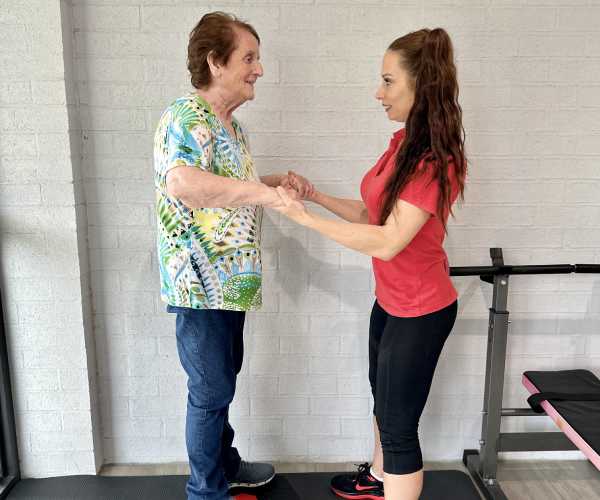
Can physiotherapy help older adults? Yes. Balance and strength programs reduce fall risk and improve independence.
Is rest always the best option for injury? Not necessarily. Many conditions respond better to guided movement than prolonged inactivity.
How many sessions will I need? This depends on the severity of your condition, your goals, and adherence to home exercises.
Can physiotherapy improve athletic performance? Yes. Optimising strength and biomechanics enhances efficiency and reduces injury risk.
Choosing a Physio Westlakes Clinic
When selecting a provider, look for clear communication, thorough assessment, and structured goal setting. Quality physiotherapy focuses on measurable progress and patient education.
A trusted Physio Westlakes clinic empowers you with knowledge, practical strategies, and progressive rehabilitation. Through evidence based physiotherapy, patients can reduce pain, improve mobility, and build resilience for the demands of daily life.
Investing in movement health today supports stronger, safer activity in the years ahead.