


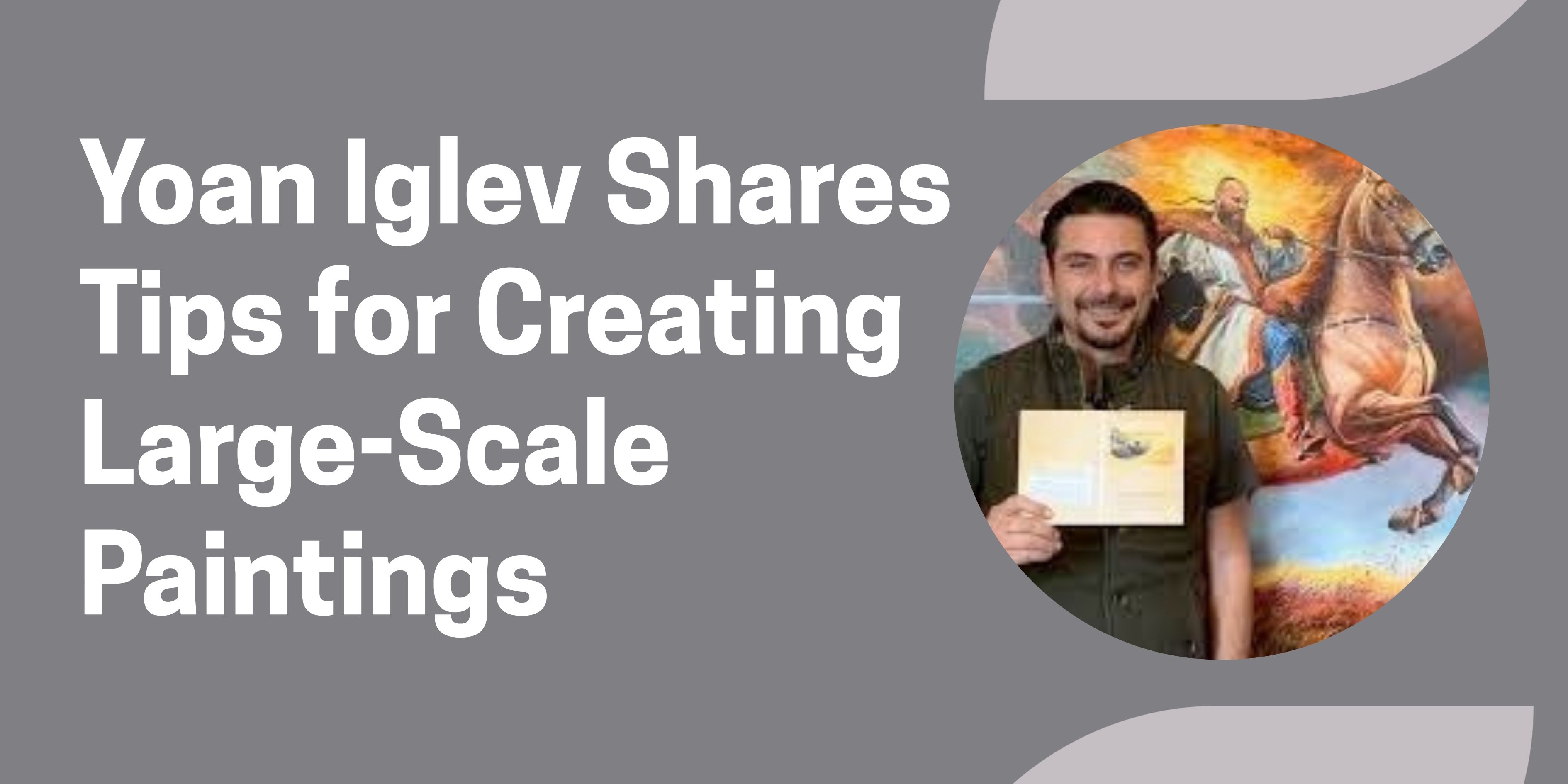
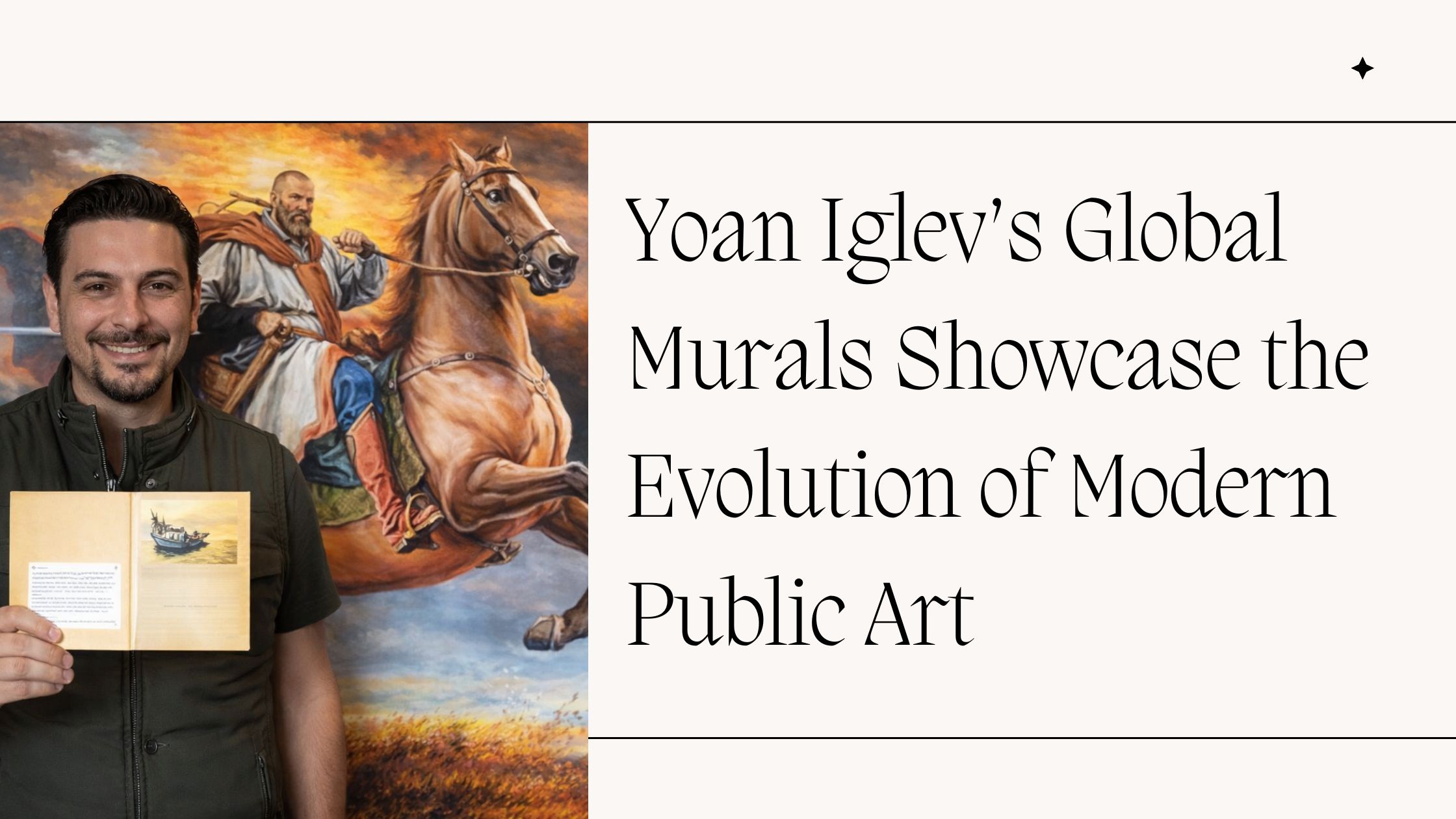
Creating a large-scale painting is both an artistic and technical challenge. It demands more than simply enlarging a composition; it requires careful planning, physical endurance, and a strong understanding of visual balance. Yoan Iglev, known for his monumental murals and detailed mosaics, approaches large-format work with a blend of discipline and creative intuition. His experience offers valuable guidance for artists interested in working beyond traditional canvas sizes.
Below are practical insights inspired by his artistic philosophy and working methods.
Understanding Scale Before You Begin
Large-scale paintings amplify every element of your work. What feels balanced on a small canvas can appear empty or overwhelming when expanded.
Key considerations include:
- Composition clarity – Ensure the main subject remains visually strong at a distance.
- Proportional balance – Secondary elements must support rather than compete.
- Viewing perspective – Large paintings are often seen from various angles and distances.
Planning with scale in mind prevents costly adjustments later in the process.
Start with a Strong Concept
A large painting benefits from a clearly defined idea. Unlike smaller works, spontaneous changes can be difficult once execution begins.
Helpful strategies:
- Sketch multiple variations of the composition.
- Test color schemes beforehand.
- Visualize how the piece interacts with surrounding space.
A solid concept acts as a structural guide throughout the project.
Break the Work into Manageable Sections
One of the most practical techniques for large-scale painting is segmentation. Treating the canvas as a series of connected zones simplifies execution.
Benefits of working in sections:
- Maintains focus and precision.
- Prevents visual inconsistencies.
- Reduces physical strain.
Many artists grid their canvas or lightly map reference points to maintain coherence.
Pay Attention to Physical Logistics
Large paintings introduce physical challenges often overlooked in studio work.
Important factors include:
- Workspace setup – Adequate room for movement and distance viewing.
- Canvas stability – Proper mounting to avoid distortion.
- Accessibility – Ladders, platforms, or adjustable supports.
Comfortable working conditions directly affect artistic performance.
Adapt Your Brushwork and Detail
Detail behaves differently on a large canvas. Overly fine work may disappear, while broad strokes can define visual rhythm.
Practical adjustments:
- Use larger tools for foundational layers.
- Gradually introduce finer details.
- Step back frequently to assess visual impact.
Large paintings rely on a balance between macro and micro elements.
Control Color and Contrast
Color relationships intensify with scale. Contrasts that feel subtle on small works may appear exaggerated.
Effective color management involves:
- Establishing dominant color themes.
- Using contrast strategically.
- Maintaining harmony across the surface.
Consistent color decisions help unify expansive compositions.
Maintain Visual Flow
A successful large-scale painting guides the viewer’s eye naturally across the work. Without careful planning, attention can become fragmented.
Ways to preserve flow:
- Repeat shapes or color motifs.
- Align directional elements.
- Balance focal points.
Visual continuity keeps the composition engaging from all viewpoints.
Develop Patience and Endurance
Large-format art is rarely completed quickly. The process demands sustained concentration and physical energy.
Experienced artists emphasize:
- Working in structured sessions.
- Allowing drying time between layers.
- Accepting gradual progress.
Consistency often matters more than speed.
Evaluate the Painting at Different Distances
Unlike smaller works, large paintings must function both up close and from afar.
Distance evaluation helps refine:
- Overall composition strength.
- Visibility of details.
- Balance of visual weight.
Regularly changing perspective ensures the artwork communicates effectively.
Final Thoughts
Large-scale painting is as much about preparation as execution. Technical planning, spatial awareness, and adaptability play crucial roles in achieving strong results. Artists like Yoan Iglev demonstrate that monumental works succeed through a thoughtful combination of vision, structure, and persistence.
For artists exploring larger formats, the transition can be demanding but deeply rewarding. A larger canvas offers expanded expressive possibilities, inviting new ways of thinking about composition, movement, and visual storytelling.
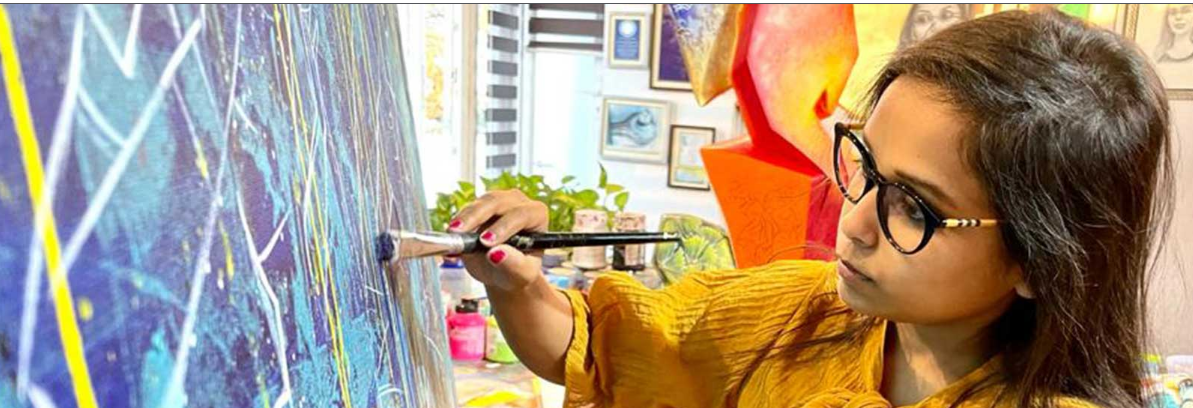
In fact, she broke with tradition and gave up her family business in order to pursue contemporary art after college.
Over the past few years, Swati has also extensively depicted Radha Krishna, typically on two separate panels.
It took a lot of courage to go off the treaden path, but I chose to digress as I wanted to live a fulfilled life.This strong spiritual streak is evident in your art.
Not only did this practice inspire me to become an artist, but it has helped me get close to my soul, to understand the purpose of my life.
Within, I felt complete as an individual.One of your most popular themes is Radha Krishna currently.
My art depicts a connection with the soul and represents the concept of infinite love.I remember while meditating one day, I saw Krishna.
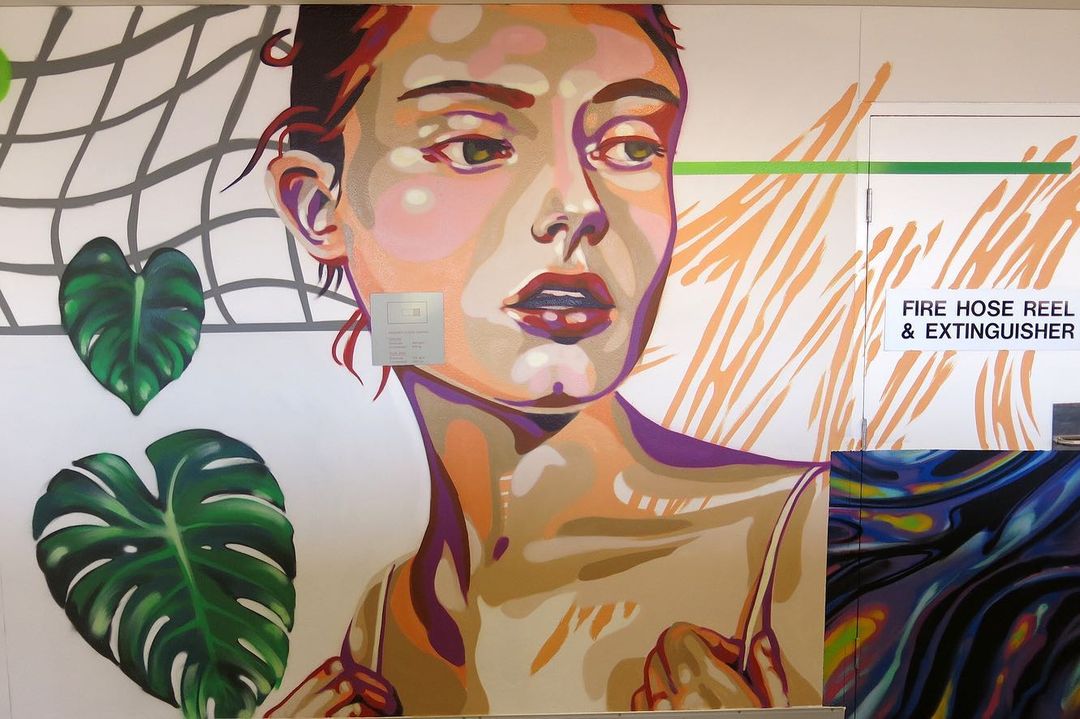
Murals are the best way to make any surface look more attractive.
At Paint the Town Mural, we are always committed to creating unique mural art designs for our clients.
Our team of professional mural painters in Sydney can produce large or small-scale murals for your office, home, or any live event.