


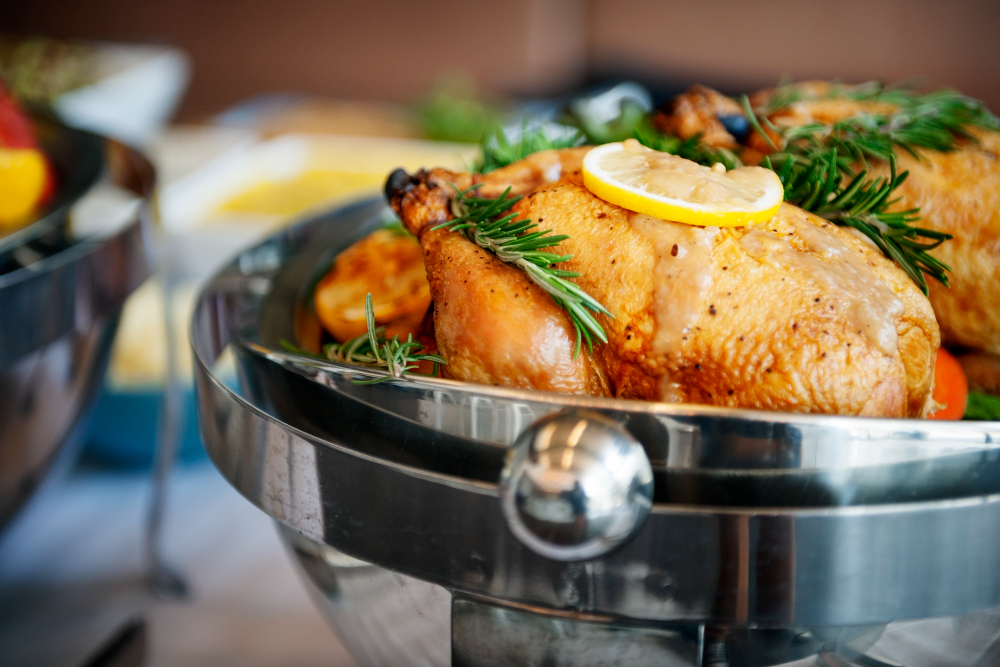
A well-organized buffet is more than just great food—it’s about movement, presentation, and temperature control. Whether you’re hosting a wedding, corporate event, hotel breakfast, or festive gathering, using multiple chafing dishes strategically can transform your buffet into a smooth, efficient, and visually impressive experience.
This guide explains how to design a seamless buffet flow using multiple chafing dishes while maintaining elegance and functionality.
________________________________________
Why Buffet Flow Matters
Poor buffet planning leads to:
• Long queues
• Food temperature loss
• Guest confusion
• Messy presentation
A seamless flow ensures:
• Faster service
• Consistent food warmth
• Better guest satisfaction
• Professional presentation
Chafing dishes play a central role in maintaining food temperature while structuring the buffet layout.
________________________________________
Step 1: Plan the Buffet Layout Strategically
Before placing chafing dishes, decide on the layout type:
1. Single-Line Flow
Guests move in one direction along a single table.
✔ Ideal for small to medium events
✔ Simple and easy to manage
2. Double-Sided Buffet
Chafing dishes are accessible from both sides.
✔ Perfect for large gatherings
✔ Reduces waiting time significantly
3. Station-Based Setup
Separate food categories into different stations (e.g., starters, mains, desserts).
✔ Best for weddings and corporate events
✔ Prevents overcrowding
For high-end events and luxury buffet styling, station-based layouts offer better flow and aesthetics.
________________________________________
Step 2: Arrange Food in Logical Order
Buffet flow depends heavily on food sequencing.
Recommended Order:
1. Plates & cutlery
2. Salads & starters
3. Main courses (in chafing dishes)
4. Side dishes
5. Bread & accompaniments
6. Desserts (separate table preferred)
Placing heavier items first can slow guests down. Start light, then move toward main dishes.
________________________________________
Step 3: Use the Right Number of Chafing Dishes
Avoid overcrowding or underutilizing space.
Tips:
• Use identical or coordinated chafing dishes for visual harmony.
• Duplicate popular dishes to avoid bottlenecks.
• Maintain equal spacing between each dish.
• Keep lids aligned in the same direction.
For large events, adding multiple chafing dishes for high-demand items (like rice or signature dishes) ensures continuous movement.
________________________________________
Step 4: Choose the Right Size & Shape
Different shapes influence flow:
• Rectangular chafing dishes: Ideal for main courses and space efficiency.
• Round chafing dishes: Suitable for curries, soups, or specialty dishes.
• Roll-top lids: Allow easy self-service without holding lids.
Using a mix of shapes can enhance visual appeal while improving functionality.
________________________________________
Step 5: Maintain Proper Spacing
Crowded buffet tables cause congestion.
✔ Leave at least 6–8 inches between chafing dishes.
✔ Ensure serving spoons don’t overlap.
✔ Keep refill space behind the buffet line for staff access.
Professional caterers always consider staff movement behind the table to maintain service speed.
________________________________________
Step 6: Keep Temperature Consistent
A seamless buffet isn’t just about movement—it’s about food quality.
• Use proper fuel levels for flame-based chafing dishes.
• Stir food periodically to distribute heat evenly.
• Avoid overfilling pans.
• Replace empty trays quickly.
Consistent temperature builds trust and improves guest experience.
________________________________________
Step 7: Focus on Presentation & Symmetry
Luxury buffet setups rely on balance and design.
• Align chafing dishes in straight lines.
• Use risers to create height variation.
• Add minimal décor between sections.
• Keep table linens wrinkle-free.
Premium stainless steel chafing dishes add shine and elegance, enhancing the overall dining ambiance.
________________________________________
Step 8: Avoid Common Buffet Flow Mistakes
❌ Placing plates at the end of the table
❌ Creating narrow pathways
❌ Mixing vegetarian and non-vegetarian items randomly
❌ Using different mismatched chafing dish designs
❌ Ignoring signage or labels
Clear labeling improves speed and prevents confusion.
________________________________________
Step 9: Consider Guest Volume
The number of chafing dishes should match event size:
• Small event (20–40 guests): 3–5 chafing dishes
• Medium event (50–100 guests): 5–8 chafing dishes
• Large event (150+ guests): 8–15+ with duplicate stations
Scaling properly prevents long lines and improves service efficiency.
________________________________________
Step 10: Conduct a Flow Test
Before guests arrive:
• Walk through the buffet as a guest.
• Check accessibility.
• Ensure lids open smoothly.
• Confirm there’s enough serving space.
Small adjustments before service can prevent major issues later.
________________________________________
Final Thoughts
Creating a seamless buffet flow using multiple chafing dishes requires thoughtful layout planning, correct dish placement, temperature management, and elegant presentation. When done correctly, guests move comfortably, food stays warm, and your event feels organized and premium.
Whether for hotels, caterers, or luxury home hosting, investing in high-quality chafing dishes and planning the layout strategically makes all the difference.
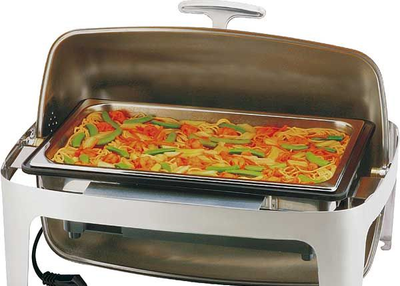
The study on Global Electric Chafing Dish Market, offers deep insights about the Electric Chafing Dish Market covering all the crucial aspects of the Market.
This Electric Chafing Dish report also provides the readers with detailed figures at which the Electric Chafing Dish Market was valued in the historical year and its expected growth in upcoming years.
Get a PDF sample of Global Electric Chafing Dish Market report at https://www.orbisresearch.com/contacts/request-sample/2523478 .
The information in this reports will help the companies to make informed Marketing strategies.
Moreover, ultimate goal of Market research is to analyze how the Market’s target group will obtain a product or service.
When reports are product centric, they also includes information about sales channel, distributors, traders as well as dealers.
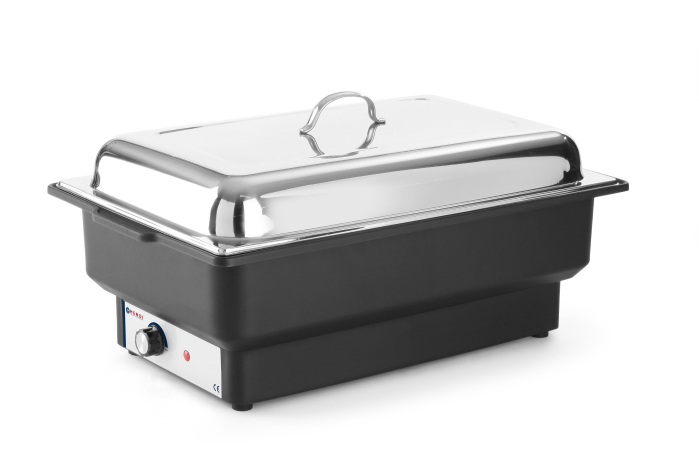
This report contains market size and forecasts of Electric Chafing Dish in global, including the following market information: Global Electric Chafing Dish Market Revenue, 2016-2021, 2022-2027, ($ millions) Global Electric Chafing Dish Market Sales, 2016-2021, 2022-2027, (K Units) Global top five Electric Chafing Dish companies in 2020 (%) The global Electric Chafing Dish market was valued at 134.1 million in 2020 and is projected to reach US$ 157 million by 2027, at a CAGR of 4.0% during the forecast period.
We surveyed the Electric Chafing Dish manufacturers, suppliers, distributors and industry experts on this industry, involving the sales, revenue, demand, price change, product type, recent development and plan, industry trends, drivers, challenges, obstacles, and potential risks.
Total Market by Segment: Global Electric Chafing Dish Market, By Type, 2016-2021, 2022-2027 ($ Millions) & (K Units) Global Electric Chafing Dish Market Segment Percentages, By Type, 2020 (%) Controlled Temperature Uncontrolled TemperatureGlobal Electric Chafing Dish Market, By Application, 2016-2021, 2022-2027 ($ Millions) & (K Units) Global Electric Chafing Dish Market Segment Percentages, By Application, 2020 (%) Dishes SoupDownload FREE Sample of this Report @ https://www.grandresearchstore.com/report-sample/global-electric-chafing-dish-market-2021-2027-283 Global Electric Chafing Dish Market, By Region and Country, 2016-2021, 2022-2027 ($ Millions) & (K Units) Global Electric Chafing Dish Market Segment Percentages, By Region and Country, 2020 (%) North America US Canada Mexico Europe Germany France U.K. Italy Russia Nordic Countries Benelux Rest of Europe Asia China Japan South Korea Southeast Asia India Rest of Asia South America Brazil Argentina Rest of South America Middle East & Africa Turkey Israel Saudi Arabia UAE Rest of Middle East & Africa Competitor Analysis The report also provides analysis of leading market participants including: Key companies Electric Chafing Dish revenues in global market, 2016-2021 (Estimated), ($ millions) Key companies Electric Chafing Dish revenues share in global market, 2020 (%) Key companies Electric Chafing Dish sales in global market, 2016-2021 (Estimated), (K Units) Key companies Electric Chafing Dish sales share in global market, 2020 (%) Further, the report presents profiles of competitors in the market, key players include: Hostess Trolley World J. S. International Elite Oster WARING Bella.
SUNNEXGet the Complete Report & TOC @ https://www.grandresearchstore.com/manufacturing-and-construction/global-electric-chafing-dish-market-2021-2027-283Table of content1 Introduction to Research & Analysis Reports1.1 Electric Chafing Dish Market Definition1.2 Market Segments1.2.1 Market by Type1.2.2 Market by Application1.3 Global Electric Chafing Dish Market Overview1.4 Features & Benefits of This Report1.5 Methodology & Sources of Information1.5.1 Research Methodology1.5.2 Research Process1.5.3 Base Year1.5.4 Report Assumptions & Caveats2 Global Electric Chafing Dish Overall Market Size2.1 Global Electric Chafing Dish Market Size: 2021 VS 20272.2 Global Electric Chafing Dish Revenue, Prospects & Forecasts: 2016-20272.3 Global Electric Chafing Dish Sales (Consumption): 2016-20273 Company Landscape3.1 Top Electric Chafing Dish Players in Global Market3.2 Top Global Electric Chafing Dish Companies Ranked by Revenue3.3 Global Electric Chafing Dish Revenue by Companies3.4 Global Electric Chafing Dish Sales by Companies3.5 Global Electric Chafing Dish Price by Manufacturer (2016-2021)3.6 Top 3 and Top 5 Electric Chafing Dish Companies in Global Market, by Revenue in 20203.7 Global Manufacturers Electric Chafing Dish Product Type3.8 Tier 1, Tier 2 and Tier 3 Electric Chafing Dish Players in Global Market3.8.1 List of Global Tier 1 Electric Chafing Dish Companies3.8.2 List of Global Tier 2 and Tier 3 Electric Chafing Dish Companies4 Sights by Product4.1 OverviewCONTACT US:276 5th Avenue, New York , NY 10001,United StatesInternational: (+1) 646 781 7170 / +91 8087042414Follow Us On linkedin :- https://www.linkedin.com/company/grand-research-store/