Graphic placement is one of the most influential elements in streetwear design and production. In an industry where visual identity drives brand recognition, the position of a logo, illustration, or typography can determine whether a piece feels premium, trendy, or forgettable.
From oversized hoodies to cropped tees and technical jackets, strategic placement enhances garment aesthetics, improves wearability, and supports manufacturing efficiency. As global brands increasingly collaborate with a clothing exporter from Pakistan, understanding the technical and creative side of graphic positioning has become essential for fashion startups and established labels alike.
This guide explores how graphic placement impacts branding, production processes, garment fit, and overall streetwear success.
Why Graphic Placement Matters in Streetwear
Streetwear is rooted in culture, rebellion, and self-expression. Unlike traditional fashion categories, it often prioritizes bold visuals and experimental design. Graphic placement directly influences:
Brand storytelling
Consumer perception
Production cost efficiency
Garment balance and fit
Print durability
Whether you are producing limited-edition drops or bulk collections through a custom streetwear production partner, placement decisions affect both design appeal and manufacturing practicality.
Understanding Different Graphic Placement Types
1. Center Chest Placement
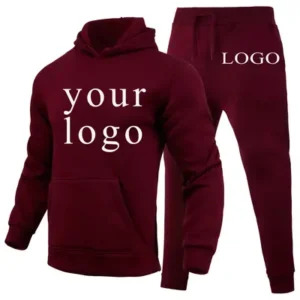
The center chest print is a classic choice in streetwear. It offers maximum visibility and brand clarity. This placement works well for logos, slogans, and artwork that represent the core identity of a collection.
From a production standpoint, this is one of the easiest placements to execute. Factories, including experienced sportswear manufacturers in Sialkot, often recommend this option for first-time brands due to its consistency and lower risk of misalignment.
2. Left Chest or Minimal Logo Placement
Minimalist branding has gained popularity in modern streetwear. A small logo on the left chest conveys subtle luxury and sophistication.
This placement requires precision because even slight misalignment becomes noticeable. When working with a clothing exporter from pakistan, accurate measurement specifications and approved samples are crucial before bulk production.
3. Oversized Front Prints
Oversized graphics dominate contemporary streetwear collections. These bold prints often extend close to seams or hems, creating a dramatic effect.
However, oversized placement presents manufacturing challenges:
Risk of print cracking if improperly cured
Potential seam interference
Fabric distortion during printing
Experienced teams, such as a Pakistan hoodie manufacturer, carefully adjust print templates based on garment size grading to maintain consistency across sizes.
4. Back Graphics
Back prints are widely used for statement designs. Many brands place a small front logo paired with a large back illustration.
This placement enhances storytelling while balancing the garment visually. For hoodies and sweatshirts, back placement must consider hood overlap. A skilled activewear clothing manufacturer ensures artwork remains visible even when the hood is down.
5. Sleeve and Side Panel Graphics
Sleeve prints add dimension and uniqueness. They are common in long-sleeve tees, hoodies, and sports-inspired streetwear.
Side panel placements, often seen in performance-inspired collections, require precise alignment with seams. Manufacturers like sportswear manufacturers in Sialkot often use advanced printing techniques to avoid seam distortion.
How Graphic Placement Affects Garment Fit
Graphic positioning must align with the garment structure. For example:
Oversized hoodies require adjusted artwork scaling.
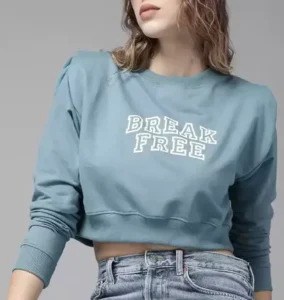
Cropped garments need repositioned designs to avoid appearing too low.
Drop-shoulder silhouettes demand careful sleeve alignment.
Improper placement can make a garment appear disproportionate. A professional custom streetwear production partner typically conducts wear tests to evaluate visual balance before approving final production.
Technical Considerations in Manufacturing
Graphic placement is not only about aesthetics; it directly impacts production workflow.
Fabric Type
Different fabrics react differently to printing methods. Cotton fleece, French terry, polyester blends, and technical fabrics all require specific techniques.
An experienced activewear clothing manufacturer selects suitable printing methods such as screen printing, puff printing, embroidery, or heat transfer, depending on fabric composition.
Print Method Compatibility
Certain placements may limit printing options:
Embroidery near thick seams may cause needle breakage.
Heat transfer near rib cuffs may not adhere evenly.
Screen printing across side seams requires panel printing before stitching.
Manufacturers, including a reliable pakistan hoodie manufacturer, often recommend printing panels before assembly for complex placements.
Size Grading Adjustments
Streetwear brands typically offer sizes from XS to XXL or beyond. Graphic placement must adjust proportionally across sizes.
Without proper grading:
Designs may appear too small on larger sizes.
Artwork may overlap seams.
Logos may shift off-center.
A professional clothing exporter from pakistan ensures digital mockups and size-wise sampling before bulk approval.
Branding Psychology Behind Placement
Graphic positioning influences how consumers perceive a brand.
Bold Placement = Confidence
Large, centered graphics communicate boldness and authority. Many emerging streetwear labels use oversized placement to stand out in competitive markets.
Subtle Placement = Premium Appeal
Minimal logos placed strategically suggest refinement and exclusivity. Luxury streetwear brands often prefer understated placement to build aspirational value.
Unexpected Placement = Innovation
Designs placed diagonally, asymmetrically, or partially hidden under seams create intrigue. However, these creative approaches demand advanced manufacturing precision.
Brands working with sportswear manufacturers in sialkot often experiment with innovative placements while ensuring scalability for mass production.
Production Cost Implications
Graphic placement can significantly impact production costs.
Standard Placement Costs Less
Front chest or back prints are straightforward and efficient, reducing setup time and minimizing production errors.
Complex Placement Costs More
Sleeve prints, all-over prints, or seam-crossing graphics require:
Extra labor
Additional quality checks
Specialized equipment
When collaborating with a custom streetwear supplier, brands should balance creative ambition with cost-effectiveness.
Quality Control and Placement Accuracy
Consistency is critical in bulk manufacturing. Poor alignment can damage brand reputation.
Factories typically implement:
Laser alignment tools
Digital measurement templates
Pre-production sampling
Inline quality checks
An established pakistan hoodie manufacturer will ensure every piece maintains consistent placement across production batches.
Graphic Placement in Sustainable Streetwear
Sustainability is becoming central to modern fashion. Smart placement contributes to eco-friendly production by:
Reducing misprints and waste
Minimizing fabric damage
Optimizing material usage
An efficient activewear clothing manufacturer integrates sustainable inks and energy-efficient curing processes while maintaining precise graphic alignment.
Practical Tips for Streetwear Brands
If you're launching or scaling a streetwear line, consider these expert recommendations:
Always create detailed placement measurement sheets.
Request physical samples before confirming bulk orders.
Test artwork on different garment sizes.
Avoid placing heavy prints near stress points like hems.
Communicate clearly with your manufacturing partner.
Brands collaborating with a clothing exporter from pakistan often benefit from structured sampling and transparent communication during production stages.
The Future of Graphic Placement in Streetwear
Technology is reshaping how brands approach placement. Digital printing, 3D mockups, and AI-assisted design tools allow greater precision before production begins.
Manufacturers, including advanced sportswear manufacturers in sialkot, are integrating automated printing systems that reduce human error and improve placement consistency.
As streetwear continues to evolve, graphic placement will remain a defining factor in brand differentiation. Whether subtle or bold, centered or asymmetrical, placement decisions directly shape consumer perception and manufacturing success.