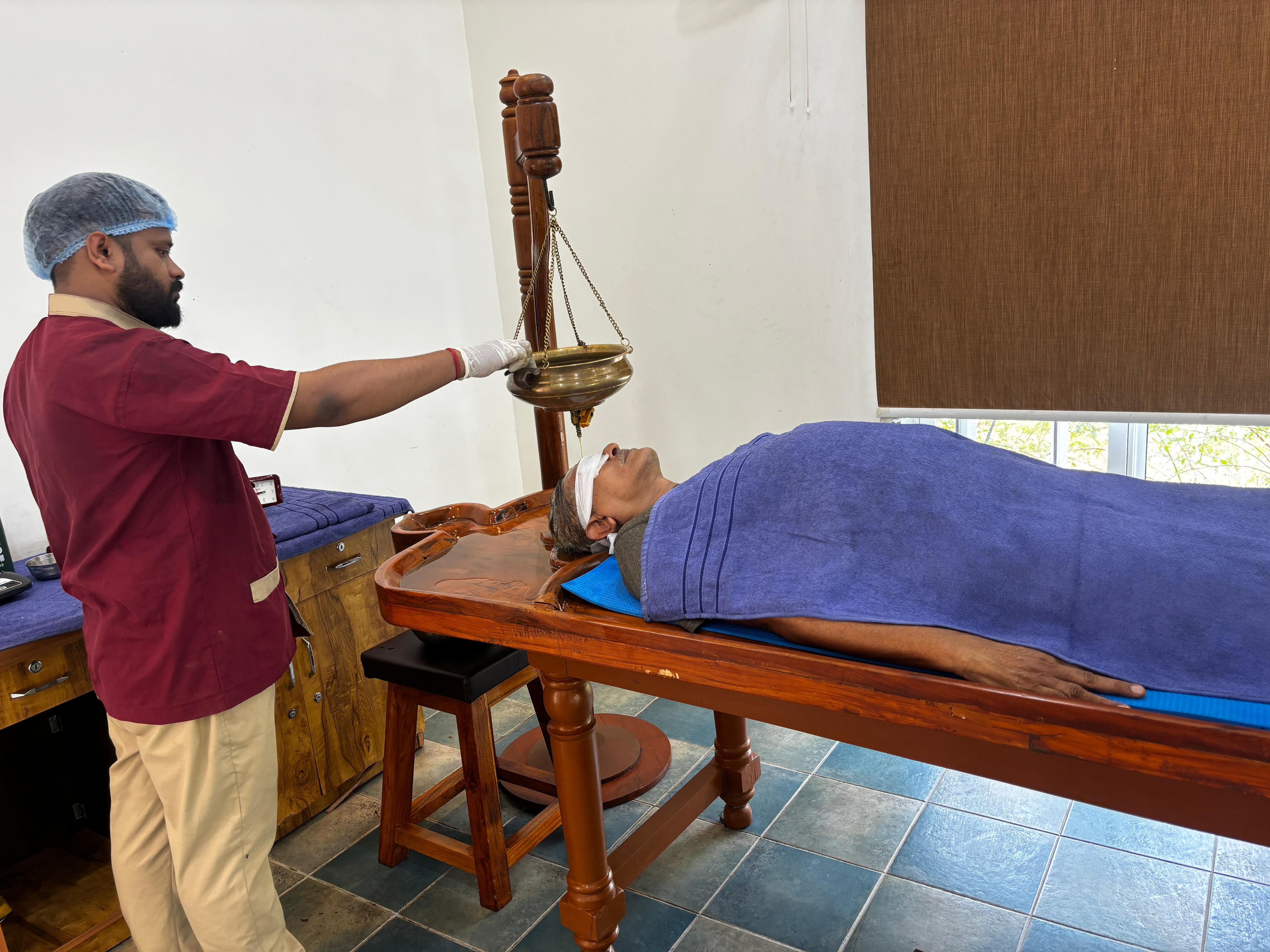
Many NRIs do not come to India looking for treatment in the usual sense. They come because something feels off.
Work is going well. Life looks settled. Medical reports are mostly fine. And yet, energy feels uneven. Sleep does not refresh the way it once did. Small stresses feel heavier than expected. Over time, this quiet imbalance becomes hard to ignore.
During visits to India, some NRIs begin exploring wellness approaches that do not revolve around medication or intensive physical intervention. Pranic Healing often enters the conversation at this point not as a cure, but as a way to understand what might be happening beneath the surface.
When Physical Health Looks Normal, but Energy Does Not
A common experience among NRIs is the gap between test results and daily reality. Doctors may say everything is within range, yet the body feels tired in a way that rest does not solve.
This does not mean something is “wrong.” It often means the system is overloaded.
Long working hours, constant planning, emotional responsibility, and limited downtime create internal noise. Over time, this affects how energy moves through the body. Pranic Healing works with this layer not aggressively, and not overnight, but gradually.
What Pranic Healing Actually Involves (Without the Jargon)
Pranic Healing is often misunderstood because it is described in abstract terms. In practice, it is pretty simple.
The approach is based on the idea that the body has an energy field that influences how we feel physically and emotionally. When this field is disturbed through stress, exhaustion, or prolonged imbalance the body struggles to reset itself.
Sessions do not involve touch, force, or physical manipulation. Instead, they focus on:
Clearing areas where energy feels congested
Supporting regions that feel depleted
Allowing the system to settle into a more balanced state
For NRIs, this gentle nature is essential. It does not demand belief, and it does not interfere with existing medical care.
Why Many NRIs Prefer Exploring This in India
India offers something difficult to replicate elsewhere: context.
Here, energy-based practices are not treated as trends. They are approached with patience and structure. Centres that offer Pranic Healing alongside yoga, meditation, or naturopathy tend to emphasize process rather than promise.
For NRIs, this feels reassuring. Sessions are not rushed. Questions are welcomed. And the environment itself supports slowing down, something that is often missing in daily life abroad.
Letting Go of the “Fix Everything” Mindset
One of the first conversations that experienced practitioners have with international visitors is about expectations.
Pranic Healing is not designed to compress years of imbalance into a few dramatic sessions. It works best when the goal is restoration, not repair.
NRIs who benefit most tend to be those who allow space for:
Gradual change
Observation rather than outcome
Support rather than control
This shift alone often brings relief.
Reasons NRIs Commonly Explore Pranic Healing
While no two experiences are the same, many visitors seek Pranic Healing support during periods of:
Mental fatigue that does not lift with rest
Emotional heaviness without a clear cause
Difficulty relaxing even while on leave
Feeling “disconnected” from the body
Wanting support during long-term recovery
Importantly, responsible centres do not claim to treat diseases. The work remains focused on balance and support.
What a Typical Session Feels Like
For first-time visitors, uncertainty is natural. Sessions usually begin with a quiet conversation rather than a procedure. The practitioner observes, works with energy patterns, and allows the system to respond at its own pace.
Many people report feeling lighter afterward. Some feel calm. Others feel rested. There is no single “correct” response, and that is part of what makes the process accessible.
Safety and Professional Boundaries Matter
For NRIs, especially, trust is essential.
Ethical Pranic Healing centres:
Are clear about limitations
Encourage continuation of medical care when needed
Avoid dramatic claims
Maintain professional boundaries
At places like Purnashakti, Pranic Healing is offered as part of a broader wellness framework rather than a standalone answer. This balanced positioning is often what international visitors find most comfortable.
Integrating Healing into a Short Visit
Not every NRI has weeks to dedicate to wellness. The flexibility of Pranic Healing allows it to fit into shorter stays.
Some visitors choose a few sessions alongside meditation. Others want space to pause and reset. The goal is not to do more but to do less, more consciously.
The Emotional Side of Energy Work
Being back in India often stirs emotion, whether expected or not. Old memories, responsibilities, and unresolved feelings surface naturally.
Pranic Healing does not force emotional release. Instead, it creates conditions where emotions can settle without suppression or overwhelm. For many NRIs, this gentle containment feels safer than intense therapeutic processes.
Choosing Where to Go
Not all centres offer the same depth or responsibility. NRIs are encouraged to look for environments that prioritize:
Calm over complexity
Explanation over persuasion
Process over performance
A thoughtful centre will never rush trust.
A Different Way of Thinking About Wellness
The most lasting impact of Pranic Healing is not what happens during sessions, but what shifts afterward.
Many NRIs return abroad with a clearer sense of how stress accumulates—and how it can be released before becoming chronic. The practice encourages listening rather than fixing, which can be transformative in itself.
Closing Reflection
For NRIs visiting India, Pranic Healing offers a quiet, respectful approach to restoring balance. It does not demand belief, promise miracles, or replace medical care.
Instead, it supports something many people have not experienced in years:
a pause that feels genuine.
And sometimes, that pause is enough to begin again.