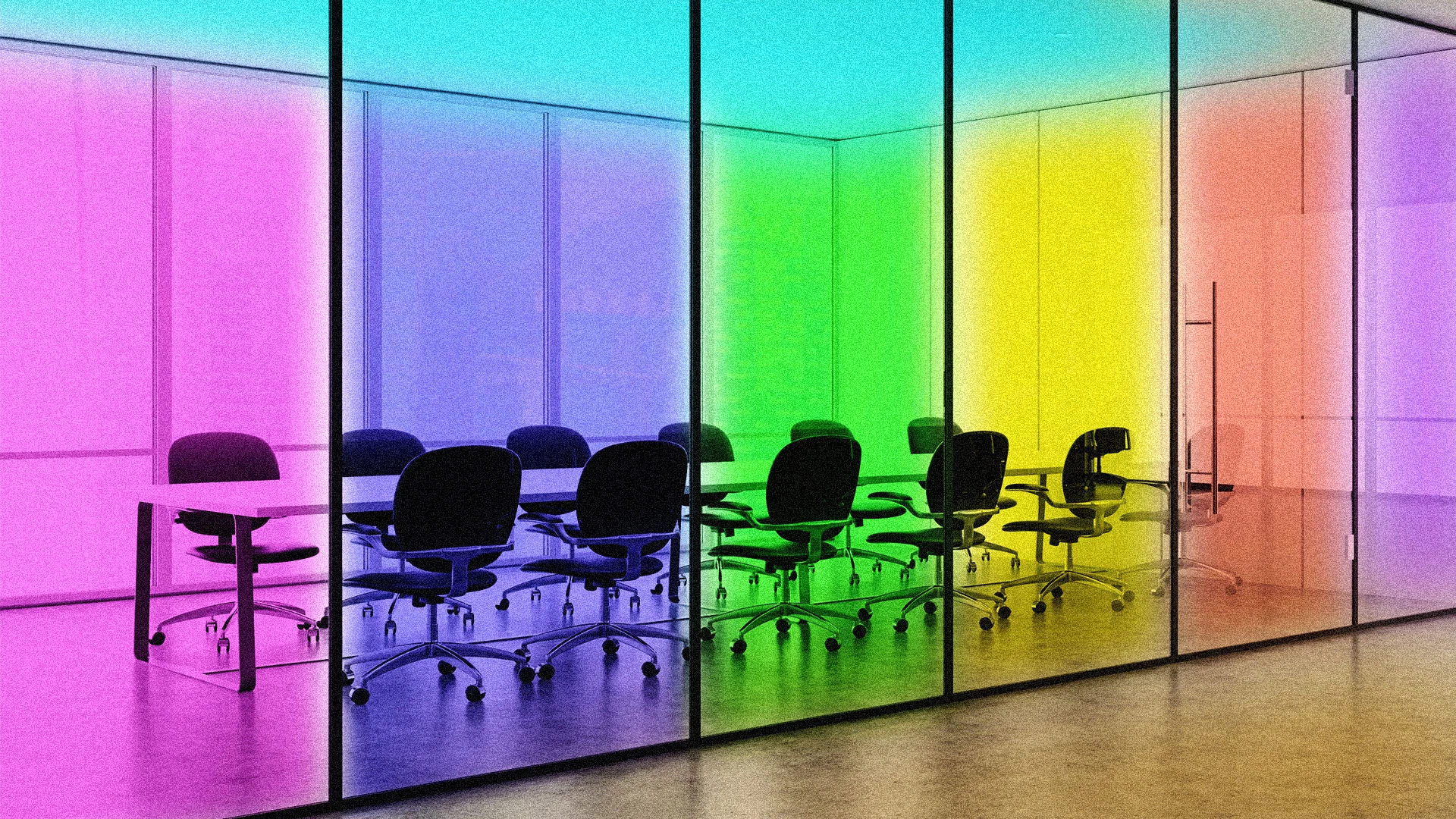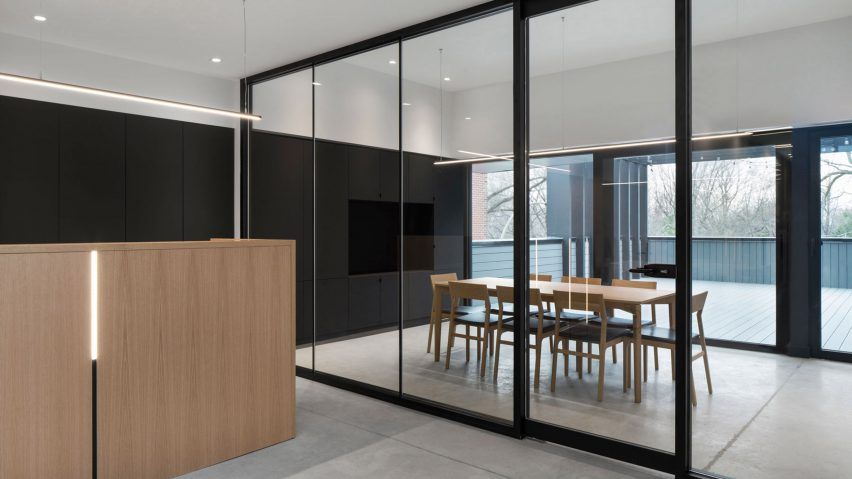


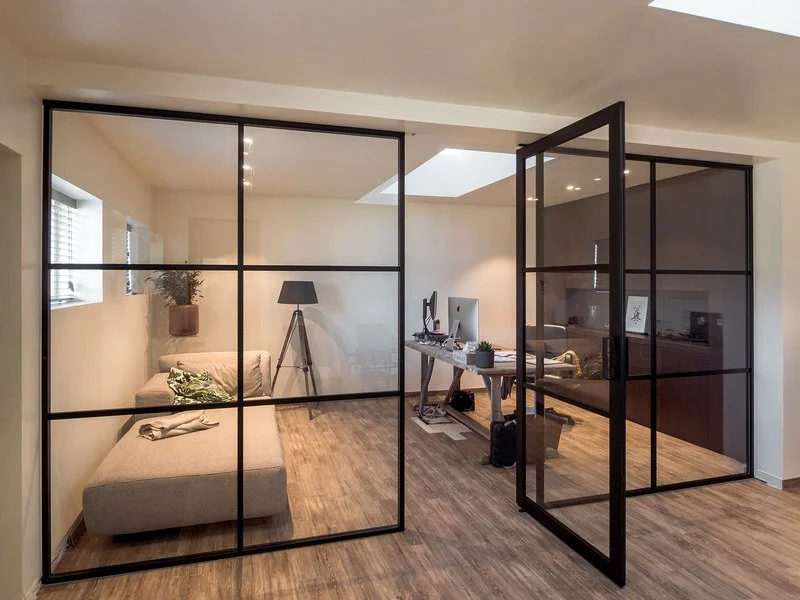
In the modern design world, the "open-plan" office and the minimalist home have converged. We want the light and connectivity of an open space. Still, we also need the quiet and privacy of a traditional room. Glass partitions are the architectural answer to this dilemma—they act as "invisible walls" that define a space without closing it in.
Whether you are looking to carve out a quiet home office or create a high-end boardroom, the success of the project depends on the installation details. Glass is heavy, unforgiving, and requires precision. Here is everything you need to know to get it right.
Understanding Your Options
Unlike drywall, glass partitions are dynamic. They aren't just static dividers; they are part of the room's furniture.
- Frameless Partitions: Use minimal tracks at the top and bottom to create a seamless "all-glass" look. This is the peak of modern minimalism.
- Framed Partitions: Use aluminium, steel, or wood borders. These are often sturdier and provide an "industrial" or "classic" aesthetic.
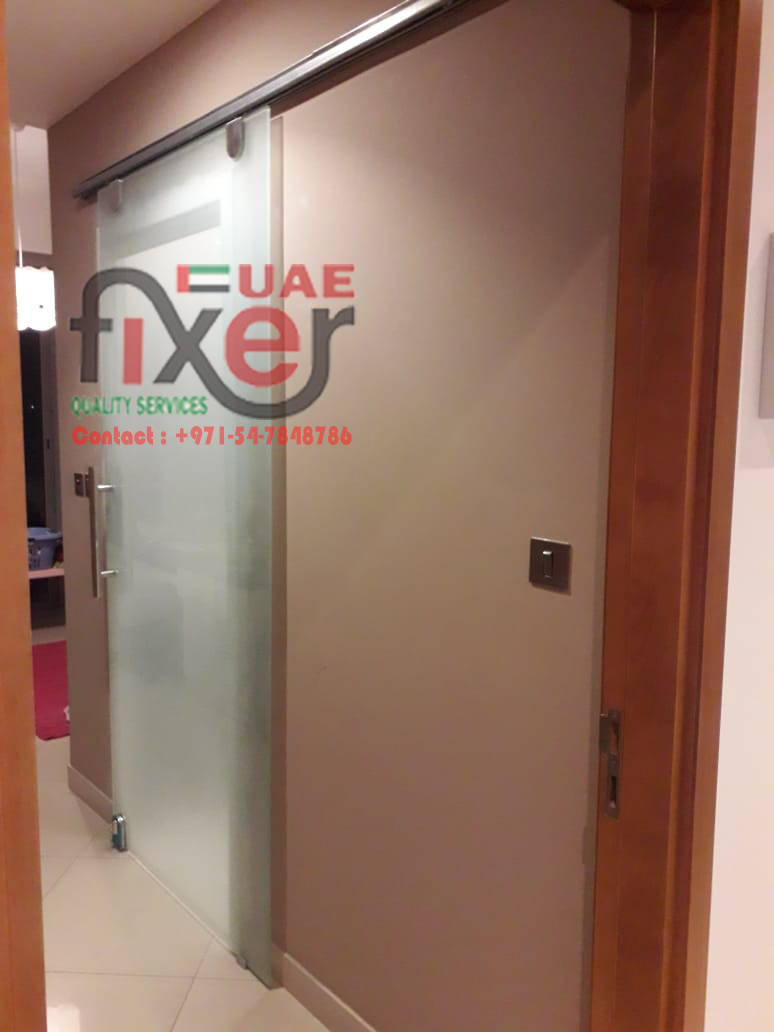
- Sliding or Folding Systems: Perfect for flexible spaces, opening a room for an event and closing it off for a meeting.
Why Make the Switch?
The benefits go beyond just "looking cool." Glass partitions maximize natural light distribution, which has been proven to boost mood and productivity. They also provide visual square footage—making a small room feel significantly larger because the eye doesn't stop at a solid wall.
The Non-Negotiables: Installation Requirements
1. Assessing the Space
The most critical part of the installation happens before the glass is even ordered. You must evaluate:
- Leveling: Most floors and ceilings are not perfectly flat. A professional will use laser levels to identify dips. If the floor is uneven, the glass won't sit flush, leading to gaps or structural stress.
- Architectural Constraints: Are you attaching to a "drop ceiling" or a solid concrete slab? Drop ceilings require additional bracing to hold the weight of the glass tracks.
2. Determining the Type of Glass
You can't just use standard window glass. Safety is paramount:
- Tempered Glass: The standard for safety. If it breaks, it shatters into small, blunt granules rather than sharp shards.
- Laminated Glass: Two layers of Glass with a plastic interlayer. This is the best choice for sound insulation and added security (the Glass stays in the frame even if it breaks).
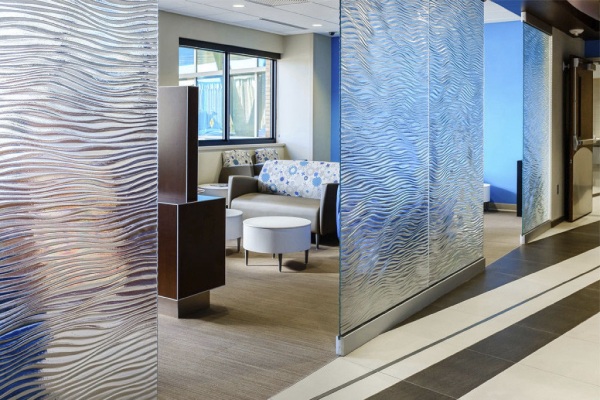
- Frosted or Patterned: Ideal for boardrooms or bathrooms where light is needed but direct visibility is not.
3. Choosing the Frame
The frame provides the structural "skeleton." Aluminium is the most popular choice because it is lightweight, rust-proof, and can be powder-coated in any colour. Steel frames offer a slimmer profile with much higher strength, making them ideal for very tall, floor-to-ceiling installations.
4. Ensuring Structural Support
A single pane of 12mm glass can weigh over 30kg per square meter. You must ensure that the floor can support the dead load and that the top track is anchored to a structural element (such as a joist or slab) to prevent the partition from tipping.
5. Electrical and Plumbing Planning
This is the "gotcha" of glass installation. You cannot easily run wires through a glass pane. If you need a light switch or a power outlet on that wall, you must plan for:
- Vertical Mullions: Specialized hollow frames that can house wiring.
- Floor-Box Outlets: Placing power in the floor near the Glass rather than on it.
Safety and Compliance
Installing Glass is a regulated activity. Most building codes require manifestations—subtle frosted dots or lines at eye level—to prevent people from accidentally walking into the Glass. Following local building codes isn't just a legal requirement; it's a vital safety measure for everyone in the building.
The Case for Professional Installation
While DIY is great for painting a wall, glass installation is a "one-shot" game. Tempered Glass cannot be cut or drilled after treatment. If your measurements are off by even 5mm, the entire pane is useless. Professional installers have the suction equipment, laser levels, and experience to handle heavy panes safely and precisely.
Maintenance: Keeping the Clarity
To preserve the "invisible" look:
- Microfiber is King: Use microfiber cloths and ammonia-free cleaners to avoid streaks and scratches.
- Hardware Checks: Regularly inspect the tracks and hinges. Glass is heavy, and over time, hardware may need a slight adjustment to keep the doors swinging perfectly.
Conclusion
Glass partitions are a transformative investment. They bridge the gap between privacy and transparency, making any space feel more modern and inviting. By focusing on the structural requirements and choosing the right glass type, you ensure that your "invisible wall" remains a beautiful, safe feature for years to come.
Looking for the best company for glass partition contractors in Chennai?
If you implement frosted glass partitions in your place, "Aysh Groups" are always the best choice.
"Aysh Groups" makes ordering and installing your glazing work on time easy and convenient.
For more information about the glass work-related queries,
Contact us: https://ayshgroups.com/contact/