

Losing a tooth is never convenient. For many people around Peabody, it starts with a simple plan: “I’ll fix it later.” Life gets busy — work schedules, school pickups, winter weather, and everything in between. But when it comes to replacing a missing tooth, postponing treatment can quietly create bigger oral health problems and higher long-term costs.
At Coastal Dental Arts Peabody, one of the most common questions patients ask is whether it’s okay to wait before choosing a permanent tooth replacement. The short answer: delay increases risk — to your bone, your bite, and your budget.
If you’ve been putting off treatment, this guide will help you understand what really happens over time and why acting sooner is often the smarter move.
What Happens After You Lose a Tooth?
A missing tooth is not just a visible gap. It triggers a chain reaction under the surface.
Here’s what typically begins to occur:
- The jawbone in that area starts shrinking due to lack of stimulation
- Neighboring teeth begin to drift or tilt
- The opposing tooth may grow longer (over-erupt)
- Bite balance changes
- Food traps increase around the gap
- Gum tissue becomes more vulnerable
Bone loss can begin within months — not years. The longer the delay, the more complex the eventual solution may become.
The Hidden Cost of “I’ll Do It Later”
Many patients delay treatment to save money in the short term. Ironically, waiting often leads to more expensive care later.
Possible added procedures after delay may include:
- Bone grafting
- Gum grafting
- Orthodontic correction due to tooth shifting
- Replacement of additional damaged teeth
- Bite adjustment therapies
Early replacement is usually more straightforward and more predictable.
Changes in Your Face and Smile
Your teeth support more than chewing — they support facial structure. When a tooth is missing and bone shrinks, subtle facial collapse can occur over time.
You may notice:
- Slight sinking in the cheek area
- Deeper smile lines
- Changes in lip support
- An older facial appearance
Patients in Peabody who enjoy an active social and professional life often choose earlier replacement specifically to preserve facial balance and confidence.
Everyday Function Gets Harder Than You Expect
Most people adapt to chewing on one side — but adaptation isn’t the same as healthy function.
Common complaints from patients who wait:
- Chewing fatigue
- Avoiding certain foods
- Jaw soreness
- Uneven pressure on remaining teeth
- More frequent food impaction
Local favorites — from crusty North Shore bread to steak tips — become harder to enjoy comfortably.
Timing Matters More Than Most People Realize
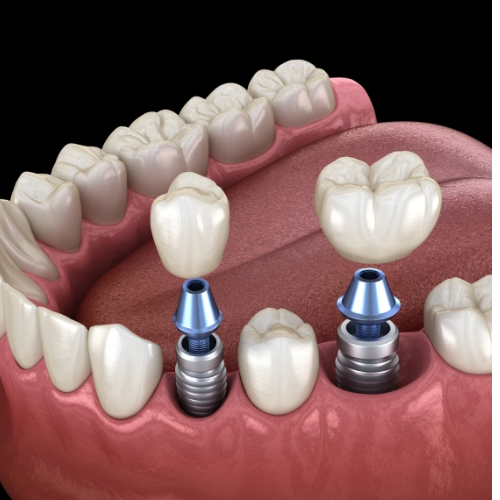
The best time to replace a missing tooth is often soon after extraction or loss — once healing allows. Early planning helps preserve bone and simplifies placement.
Modern implant dentistry is carefully planned using digital imaging and guided techniques, which improves precision and recovery comfort. Patients are often surprised at how manageable the process feels compared to their expectations.
When people come in early, treatment is usually:
- Less invasive
- Faster
- More predictable
- More cost-efficient long term
That’s why providers offering dental implants in Peabody often encourage consultations sooner rather than later — even if you’re still deciding.
Signs You Shouldn’t Wait Any Longer
If you notice any of these, it’s time to schedule an evaluation:
- A missing tooth for more than 3–6 months
- Teeth shifting near the gap
- Food constantly getting stuck
- Bite feeling uneven
- Difficulty chewing on one side
- Jaw discomfort
- Visible bone or gum shrinkage
Early assessment does not lock you into treatment — but it protects your options.
Why Local Patients Choose Early Replacement
Peabody residents often tell us they delayed because they expected:
- Long downtime
- Painful surgery
- Uncertain results
- Complicated aftercare
Modern implant care has changed significantly. With proper planning and case selection, many patients return to normal routines quickly.
Local access matters too — follow-up visits, adjustments, and check-ins are easier when your care team is nearby and familiar with your dental history.
Quick Self-Check: Is Delay Already Affecting You?
Ask yourself:
- Do I chew mostly on one side?
- Do I avoid certain foods now?
- Does the gap feel bigger than before?
- Have nearby teeth moved slightly?
- Has my dentist mentioned bone changes?
If you answered yes to even one, don’t wait for symptoms to worsen.
FAQs Patients Commonly Ask
How soon after losing a tooth should I replace it?
In many cases, evaluation should happen within a few weeks to a couple of months. Earlier assessment preserves more options.
Is it ever too late?
Not always — but longer delays may require additional procedures like grafting before placement.
Is the procedure painful?
Most patients describe it as easier than expected, often comparing it to a routine extraction in discomfort level.
How long does the full process take?
It varies by case, but planning, placement, and restoration often occur over a few months for best long-term stability.
Can I finance treatment?
Many practices offer phased treatment or financing options to make care more accessible.
Are implants better than bridges?
They often preserve surrounding teeth and bone better, but the right choice depends on your specific condition.


Our dentist in Peabody, MA, provides care for your entire family.
Our dentist near you offers emergency dentistry, dental implants, cosmetic dentistry, teeth whitening, dental bridges, dental crowns, veneers, dental fillings, and Invisalign.
Make an appointment with us for all your oral health needs.