Introduction
Indoor air quality plays a crucial role in your health, comfort, and overall well being. While most homeowners regularly vacuum floors and wipe down surfaces, many forget about one of the most important systems in the home, the air duct system. Hidden behind walls, ceilings, and floors, your ductwork circulates heated and cooled air throughout the property every day. Over time, dust, debris, allergens, and other contaminants can accumulate inside.
This naturally leads to a common and important question: how often should air ducts be cleaned?
The answer is not always the same for every household. Factors such as pets, allergies, recent renovations, geographic location, and HVAC usage patterns all influence the ideal cleaning schedule. In this comprehensive guide, we will explore expert recommendations, signs that your ducts need attention, benefits of regular cleaning, and how to determine the right schedule for your specific situation.
By the end of this article, you will clearly understand when duct cleaning makes sense and how to approach it in a smart, cost effective way.
Understanding Air Duct Cleaning and Why It Matters
Before discussing frequency, it is important to understand what air duct cleaning actually involves and why it can be beneficial.
What Is Air Duct Cleaning?
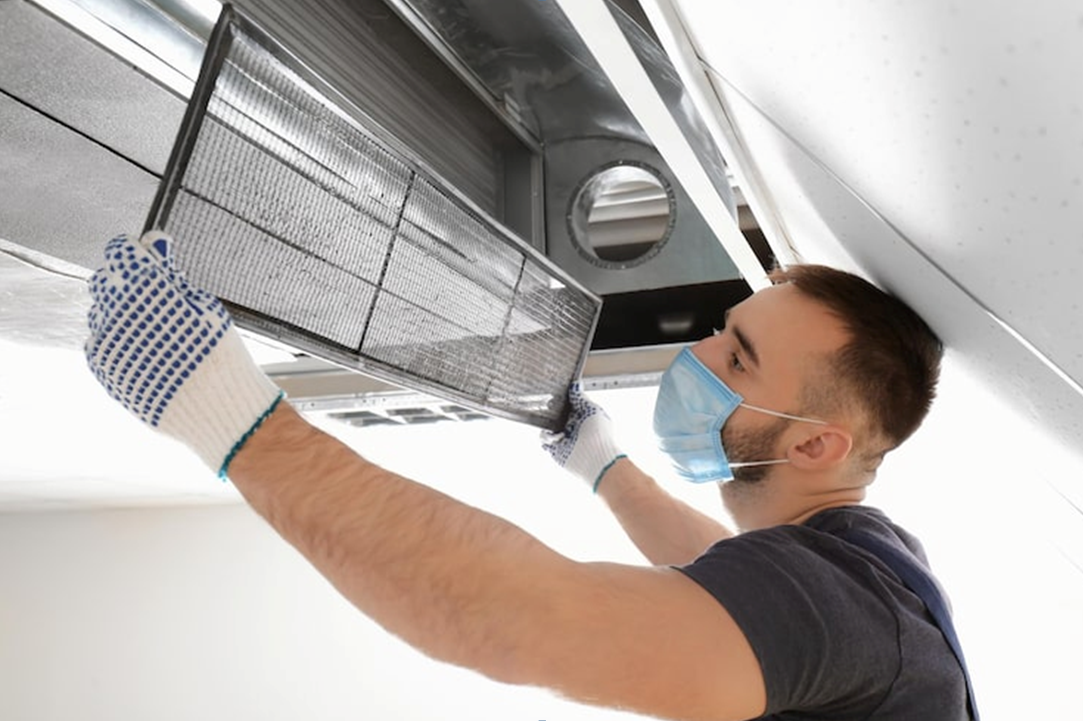
Air duct cleaning is the process of removing dust, debris, mold spores, pet dander, and other contaminants from the ductwork of your heating and cooling system. This includes supply ducts, return ducts, registers, grilles, diffusers, heat exchangers, and cooling coils when necessary.
Professional cleaning typically involves:
- High powered vacuums
- Specialized brushes and agitation tools
- Negative pressure systems
- Inspection equipment
The goal is to dislodge and extract buildup that could affect airflow or indoor air quality.
Why Do Air Ducts Get Dirty?
Your HVAC system constantly circulates air throughout your home. Even with quality air filters in place, small particles inevitably make their way into the ductwork.
Common sources of contamination include:
- Dust from everyday living
- Pet hair and dander
- Pollen and outdoor pollutants
- Construction debris
- Mold growth in humid conditions
- Insect or rodent droppings
Over time, these materials can accumulate along the interior surfaces of the ducts.
Does Duct Cleaning Improve Indoor Air Quality?
This is a frequent concern. While duct cleaning is not a magic solution for every indoor air issue, it can help reduce airborne contaminants, particularly in homes where buildup is significant.
If your household includes individuals with asthma, allergies, or other respiratory sensitivities, removing excessive debris from ductwork may contribute to cleaner circulating air. However, regular filter changes and proper HVAC maintenance are equally important.
How Often Should Air Ducts Be Cleaned?
Now we address the central question: how often should air ducts be cleaned?
General Industry Recommendation
Most HVAC professionals recommend duct cleaning every 3 to 5 years under normal conditions. This timeframe works well for homes that:
- Do not have pets
- Have no smokers
- Have minimal allergy concerns
- Have not undergone recent renovations
- Use quality air filters consistently
However, this is a general guideline, not a strict rule.
Situations That Require More Frequent Cleaning
Some households may benefit from more frequent cleaning, sometimes every 2 to 3 years.
1. Homes With Pets
Pets shed hair and dander that easily enter the ventilation system. Even with frequent vacuuming, pet particles can accumulate inside ducts. If you have multiple pets, consider shortening the cleaning interval.
2. Family Members With Allergies or Asthma
If someone in your home suffers from respiratory conditions, maintaining cleaner ducts may help reduce irritants circulating in the air. While cleaning alone will not cure allergies, it can be part of a broader strategy for improving indoor air quality.
3. After Home Renovations
Construction projects generate significant dust and debris. Even if contractors try to contain the mess, fine particles often find their way into ductwork. After major remodeling, it is wise to schedule a thorough inspection and possibly cleaning.
4. Evidence of Mold Growth
If you see visible mold inside ducts or on HVAC components, immediate professional cleaning is necessary. Mold spores can circulate throughout the home if left untreated.
5. Rodent or Insect Infestations
If pests have entered your duct system, cleaning is essential once the infestation is resolved. Droppings and nesting materials should not remain in airflow pathways.
Situations That May Require Less Frequent Cleaning
In well maintained homes with:
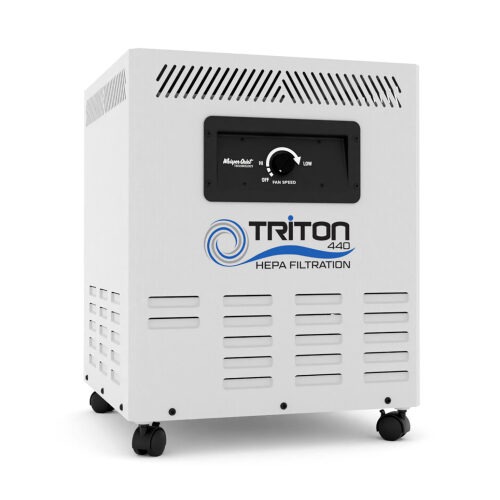
- High quality HEPA filters
- Regular HVAC servicing
- No pets
- No smokers
- Minimal dust
You may safely extend cleaning intervals closer to the five year mark or even longer if inspections show minimal buildup.
Signs That Your Air Ducts Need Cleaning
Rather than focusing only on time intervals, it is equally important to watch for warning signs. These indicators can tell you when cleaning may be necessary, regardless of the last service date.
1. Visible Dust Blowing From Vents
If you notice puffs of dust when the HVAC system turns on, this may signal buildup inside the ducts.
2. Musty or Unpleasant Odors
Persistent odors coming from vents can indicate mold growth, stagnant debris, or even pest activity inside the duct system.
3. Excessive Dust on Surfaces
If your home becomes dusty quickly after cleaning, dirty ducts may be contributing to circulating particles.
4. Uneven Airflow
While often caused by other issues, restricted airflow can sometimes be linked to heavy debris accumulation inside ducts.
5. Recent Mold Discovery
If mold is found elsewhere in your HVAC system, duct cleaning should be part of the remediation process.
The Benefits of Regular Air Duct Cleaning
Understanding the potential benefits can help you decide whether scheduling cleaning makes sense for your home.
Improved Indoor Air Quality
Removing excessive debris reduces the number of particles circulating in the air. This may contribute to a cleaner, fresher indoor environment.
Better HVAC Efficiency
Heavy buildup can restrict airflow, forcing your HVAC system to work harder. Clean ducts support smoother airflow and can help maintain efficiency.
Reduced Odors
Cleaning can eliminate trapped particles that cause musty smells, particularly in older homes or humid environments.
Extended System Lifespan
When airflow is not restricted, HVAC components experience less strain. Over time, this may contribute to longer system life.
How the Cleaning Process Works
Many homeowners hesitate to schedule duct cleaning because they are unsure what the process involves.
Step 1: Inspection
Technicians inspect the system using cameras or visual checks to assess contamination levels.
Step 2: System Protection
Registers are sealed, and negative pressure equipment is connected to prevent debris from spreading.
Step 3: Agitation and Removal
Specialized brushes and compressed air tools dislodge debris while powerful vacuums extract it.
Step 4: Component Cleaning
Blower motors, coils, and other accessible components may also be cleaned.
Professional companies follow industry standards to ensure thorough and safe cleaning.
For example, if you are researching providers such as sanitairllc duct cleaning, be sure to verify credentials, equipment quality, and customer reviews before scheduling service.
- Regional Considerations and Local Climate Factors
- Climate can influence how often ducts need cleaning.
Dry and Dusty Regions
In arid areas, outdoor dust easily enters homes and duct systems. More frequent cleaning may be necessary.
Humid Environments
High humidity increases the risk of mold growth inside ducts, especially if insulation becomes damp.
Cold Climates
Homes in colder regions often run heating systems for long periods, which may increase dust circulation.
If you are looking into air duct cleaning services in Provo, Utah, for example, consider seasonal temperature swings and local air quality conditions when deciding on frequency.
Myths About Air Duct Cleaning
There are many misconceptions about duct cleaning. Let us clarify a few.
Myth 1: Duct Cleaning Is Always Necessary Every Year
Annual cleaning is usually unnecessary unless specific contamination issues exist.
Myth 2: Cleaning Instantly Solves All Air Quality Problems
While helpful, duct cleaning is just one part of a larger indoor air quality strategy.
Myth 3: It Is a DIY Job
Proper duct cleaning requires professional equipment. DIY attempts often fail to remove deep buildup and can even damage ducts.
How to Maintain Cleaner Ducts Between Professional Cleanings
You can reduce the need for frequent cleaning by maintaining your HVAC system properly.
Change Air Filters Regularly
Replace filters every 1 to 3 months, depending on usage and manufacturer recommendations.
Schedule Annual HVAC Maintenance
Routine inspections help detect problems early and keep components clean.
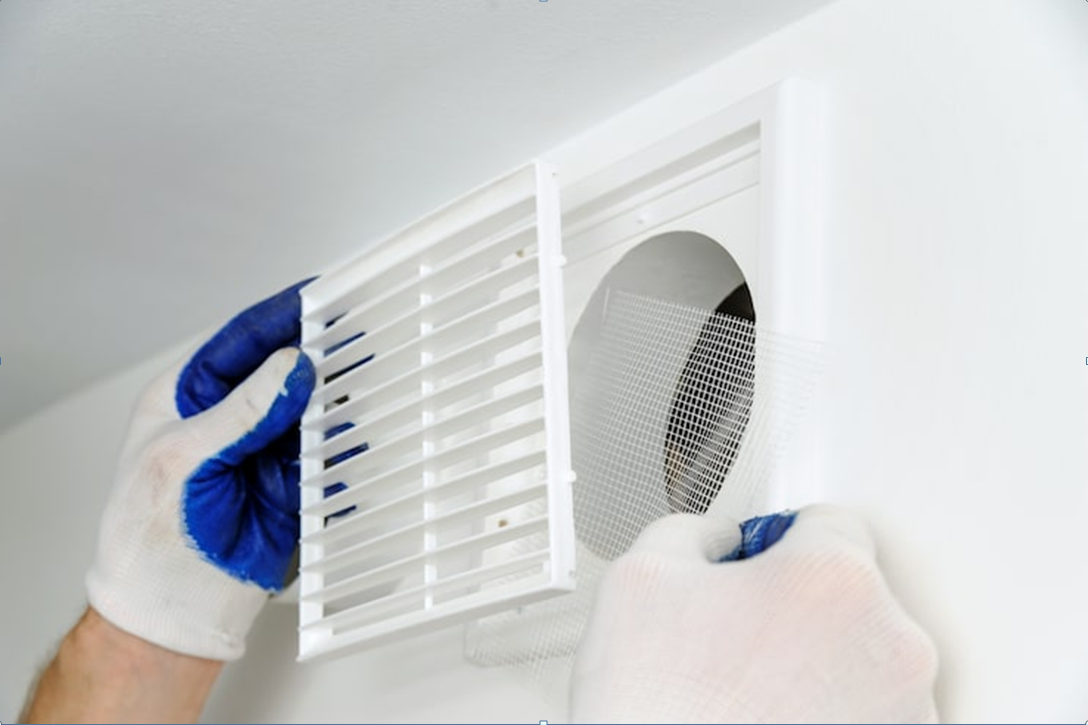
Keep Vents and Registers Clean
Vacuum and wipe down vent covers periodically to prevent surface dust from entering ducts.
- Control Indoor Humidity
- Use dehumidifiers if necessary to reduce mold risk.
- Cost Considerations and Value
- The cost of duct cleaning varies based on:
- Home size
- Number of vents
- Contamination level
- Accessibility
While it represents an investment, cleaning can offer long term value through improved efficiency and potential energy savings.
Be cautious of extremely low priced offers. Reputable providers invest in proper equipment and trained technicians.
Conclusion: Finding the Right Cleaning Schedule for Your Home
So, how often should air ducts be cleaned?
For most homes, every 3 to 5 years is a reasonable guideline. However, factors such as pets, allergies, renovations, climate, and visible contamination may require more frequent attention.
Rather than following a rigid schedule, focus on inspection, preventive maintenance, and awareness of warning signs. Regular filter changes and professional HVAC servicing remain essential components of a healthy indoor environment.
If you are unsure about your current duct condition, consider scheduling a professional inspection. A qualified technician can evaluate your system and provide personalized recommendations.
Clean ducts support cleaner air, improved efficiency, and a more comfortable living space. Take proactive steps today to ensure your HVAC system continues operating at its best, and enjoy the peace of mind that comes with a healthier home.