With growing interest in gut health, microbiome balance, and natural wellness, many people are turning to convenient diagnostic options from the comfort of their homes. An at-home Candida test promises privacy, simplicity, and faster answers for symptoms like bloating, recurrent yeast infections, sugar cravings, or chronic fatigue. But how reliable are these tests? Can they accurately detect fungal overgrowth, or should you rely on laboratory-based clinical evaluation instead?
Understanding how at-home Candida testing works, its advantages, limitations, and when professional medical testing is necessary can help you make an informed decision.
Why People Consider At-Home Candida Testing?
Recurring vaginal yeast infections, oral thrush, digestive discomfort, and unexplained brain fog often drive individuals to search for answers online. Many are drawn to home testing kits because they appear affordable, discreet, and easy to use.
Some people may feel uncomfortable discussing candidiasis symptoms with a healthcare provider. Others want quicker insights without scheduling appointments. The rise of direct-to-consumer lab testing has made stool analysis kits, urine organic acids testing, and microbiome assessments widely accessible.
However, convenience does not always guarantee diagnostic accuracy.
What Is an At-Home Candida Test?
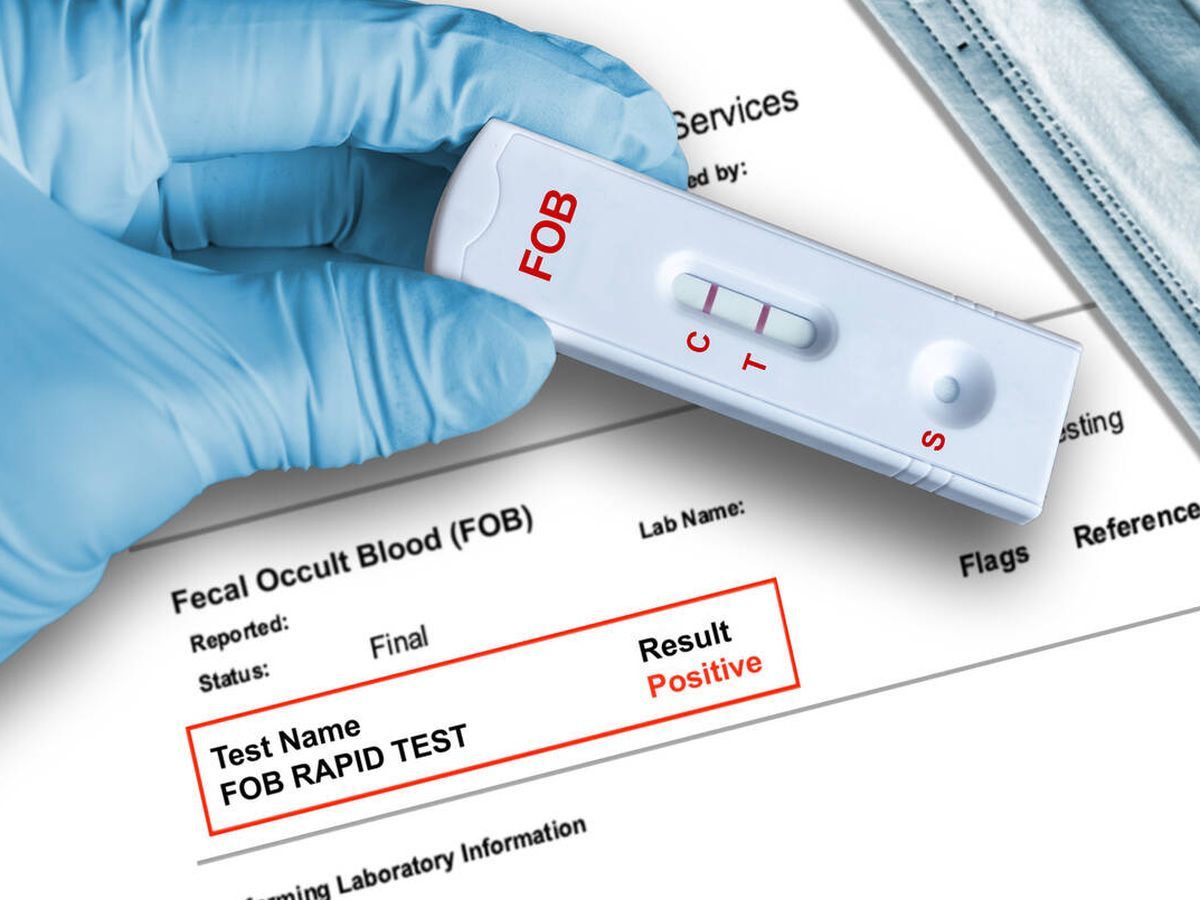
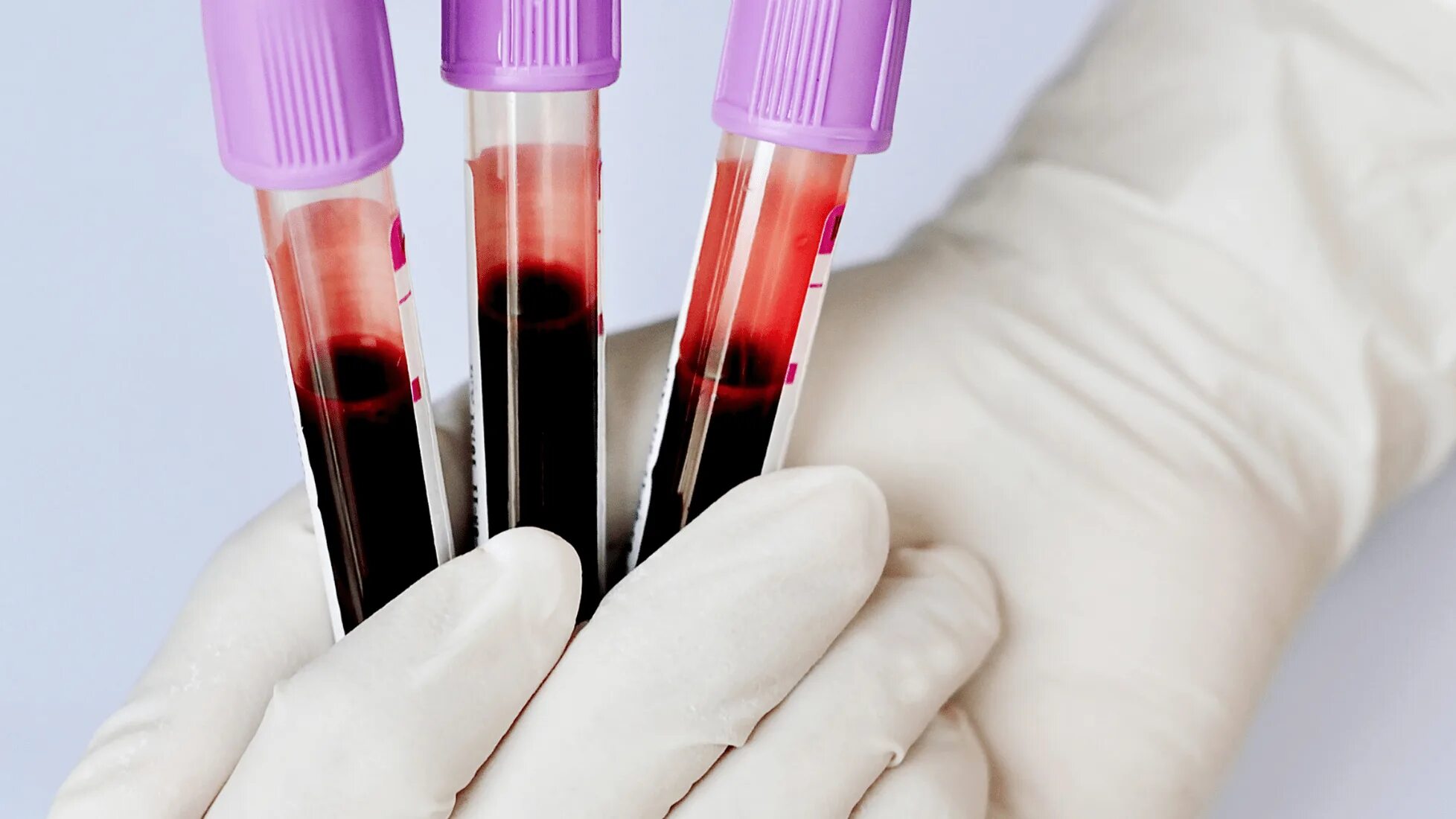
An at-home Candida test typically involves collecting a stool, urine, saliva, or vaginal swab sample and mailing it to a laboratory for analysis. Some kits measure yeast levels in the digestive tract, while others evaluate metabolic byproducts associated with fungal overgrowth.
There are also informal “self-tests” circulating online, such as the saliva spit test, which claims to detect Candida by observing saliva patterns in water. It is important to note that such methods lack scientific validation and are not recognized by medical professionals.
Legitimate at-home kits usually partner with certified laboratories, but interpretation still varies.
Types of At-Home Candida Tests Available:
Different kits focus on different aspects of fungal detection. Stool testing is commonly marketed for evaluating gut dysbiosis and yeast overgrowth. These tests often measure Candida species along with beneficial bacteria and inflammation markers.
Urine organic acids tests analyze fungal metabolites, which may indicate yeast activity in the body. Some companies also offer vaginal swab kits to confirm yeast infections without an in-clinic exam.
Each type provides specific information, but none should be considered definitive without clinical context.
How Accurate Are At-Home Candida Tests?
Reliability depends on the quality of the laboratory processing the sample and the type of analysis performed. Stool and urine samples analyzed by certified labs can provide useful data about fungal presence and microbiome balance.
However, interpreting results without professional guidance can lead to confusion. Candida naturally exists in the body, so detecting small amounts does not necessarily mean overgrowth. Elevated levels must be correlated with symptoms like bloating, chronic fatigue, sugar cravings, or recurrent infections.
False positives and false negatives are possible, especially if preparation instructions are not followed carefully. Recent antibiotic use, antifungal medication, or dietary changes can influence results.
Limitations of At-Home Testing:
One major limitation of at-home Candida testing is the lack of comprehensive medical evaluation. A lab report may show elevated yeast levels, but it cannot assess your full medical history, immune status, or underlying conditions such as diabetes or hormonal imbalance.
Symptoms commonly attributed to Candida overgrowth may actually stem from irritable bowel syndrome, food intolerances, small intestinal bacterial overgrowth, thyroid dysfunction, or nutrient deficiencies. Without professional interpretation, there is a risk of misdiagnosis.
Additionally, at-home kits typically do not detect systemic candidiasis, which requires blood cultures and urgent medical care. Serious fungal infections cannot be ruled out with simple mail-in tests.
Comparing At-Home Testing to Clinical Candida Tests:
Clinical Candida testing performed through a healthcare provider often includes blood antibody testing, antigen detection, comprehensive stool analysis, or swab cultures performed in a controlled medical environment.
Doctors evaluate results alongside symptoms, perform physical examinations, and may order additional testing if needed. This comprehensive approach improves diagnostic accuracy.
At-home tests may provide helpful preliminary data, but they rarely replace full clinical assessment. They are best viewed as screening tools rather than definitive diagnostic solutions.
When an At-Home Candida Test May Be Helpful?
For individuals experiencing mild digestive symptoms or recurring yeast infections who want initial insight before consulting a provider, a reputable at-home stool or urine test may offer useful information.
It can also help track microbiome changes over time when combined with dietary adjustments or probiotic supplementation. Some people use these tests as part of a broader gut health plan.
However, any abnormal findings should be discussed with a qualified healthcare professional before starting antifungal medication or restrictive diets.
When You Should See a Doctor Instead?
If you experience severe symptoms such as persistent fever, chills, unexplained weight loss, or signs of systemic infection, immediate medical evaluation is necessary. At-home kits are not designed to diagnose invasive candidiasis.
Recurrent infections that do not respond to treatment also require professional assessment. A doctor may perform culture testing to identify specific Candida strains and determine antifungal sensitivity.
Individuals with weakened immune systems, chronic illness, or uncontrolled diabetes should avoid self-diagnosis and seek direct medical supervision.
The Risk of Self-Treatment Based on Home Results:
A common mistake after receiving an at-home Candida test result is starting aggressive antifungal supplements or restrictive “Candida cleanse” diets without guidance. While reducing refined sugars and improving gut health can be beneficial, unnecessary antifungal use may disrupt microbial balance further.
Over-restriction of carbohydrates can also lead to nutrient deficiencies and increased stress on the body. Treatment decisions should always consider the broader picture of digestive health and immune function.
Testing is only one piece of the puzzle.
How to Improve Accuracy If You Choose Home Testing?
If you decide to use an at-home Candida test, follow all preparation instructions carefully. Avoid antifungal medications before testing unless advised otherwise. Maintain your usual diet leading up to sample collection to ensure results reflect your typical microbial environment.
Ensure the laboratory processing the test is certified and reputable. Once results are available, schedule a consultation with a healthcare professional to interpret findings properly.
Taking these steps increases reliability and reduces the risk of misinterpretation.
Supporting Gut Health Regardless of Test Results:
Whether your at-home Candida test indicates overgrowth or not, maintaining gut balance remains essential. A diet rich in fiber, fermented foods, lean protein, and whole foods supports beneficial bacteria. Limiting excessive sugar and processed foods can help prevent yeast proliferation.
Managing stress, prioritizing sleep, and avoiding unnecessary antibiotics also protect microbiome diversity. These lifestyle factors influence digestive and immune health more profoundly than testing alone.
Final Verdict: Is an At-Home Candida Test Reliable?
An at-home Candida test in dubai can provide useful preliminary information, particularly when processed by a certified laboratory. However, it has limitations and should not replace comprehensive medical evaluation.
Because Candida is a normal part of the microbiome, interpreting results requires context. Elevated yeast levels must align with symptoms and clinical findings before treatment decisions are made.
If you suspect fungal overgrowth, consider at-home testing as a starting point rather than a final diagnosis. Partnering with a healthcare professional ensures accurate interpretation, appropriate treatment, and long-term gut health support.