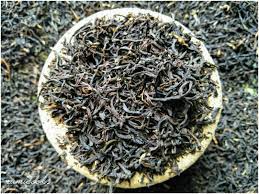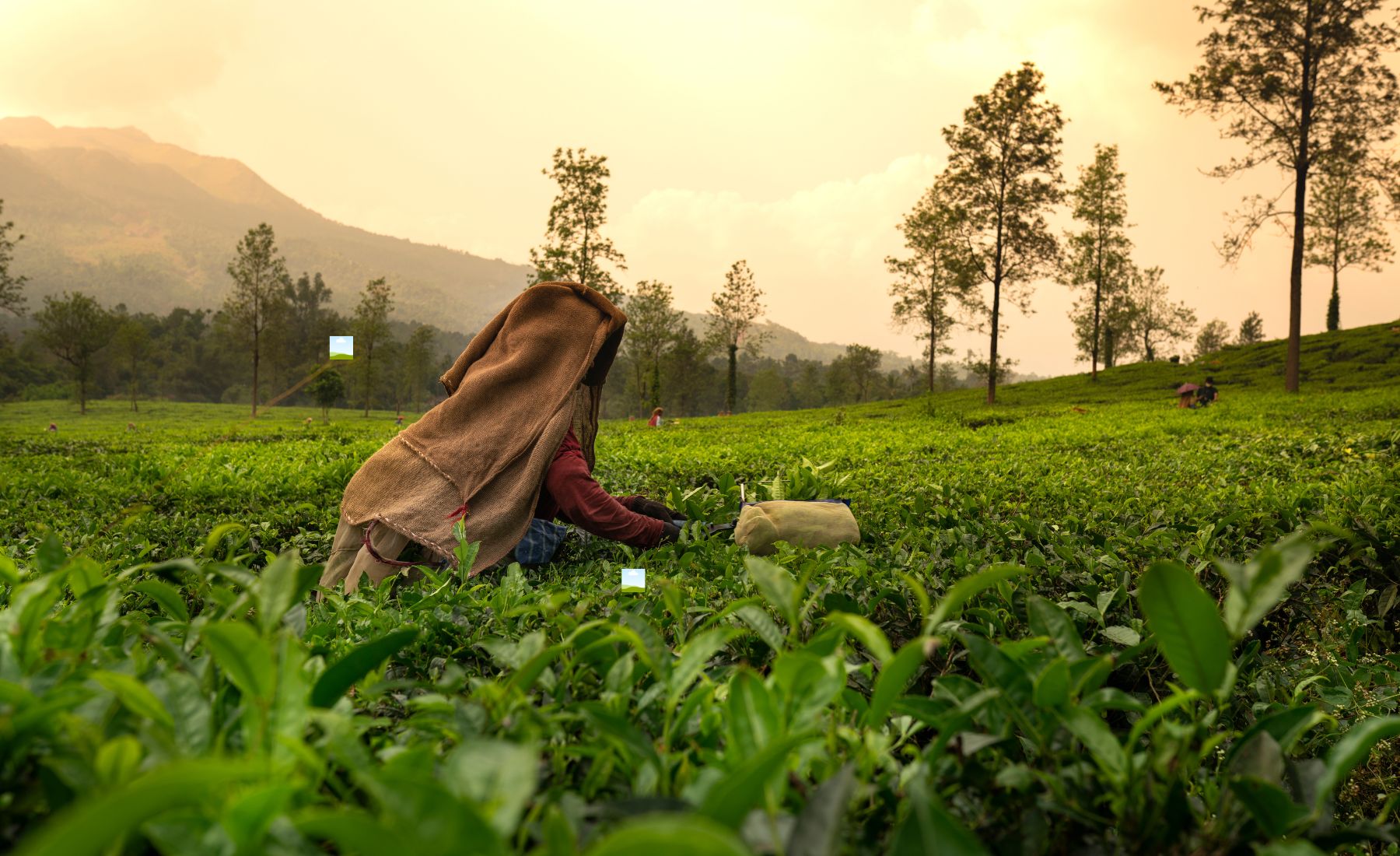
The India tea market size reached a volume of 1.40 million tons in 2025 and is projected to expand at a CAGR of 4.50% during 2026–2035, attaining an estimated volume of 2.17 million tons by 2035. Market growth is being supported by steady domestic consumption, rising product premiumisation, and widening distribution through organised retail formats. Increasing urban preference for functional beverages and the rapid expansion of modern trade across Tier II cities are strengthening demand for flavoured and wellness-infused tea variants.
Market Overview
Tea remains one of India’s most widely consumed beverages, forming a core part of daily consumption habits across households. While black tea continues to dominate overall volumes, the market is undergoing gradual transformation with the emergence of premium categories such as green tea, herbal infusions, and flavoured blends.
Consumption patterns are evolving as consumers increasingly seek beverages offering perceived health benefits alongside traditional taste profiles. This shift is encouraging manufacturers to diversify portfolios and invest in value-added tea products targeted at urban and health-conscious segments.
Key Growth Drivers
Premiumisation and Wellness-Oriented Product Demand
A key structural driver is the rising demand for premium and wellness-positioned tea blends. Products infused with herbs, spices, and functional ingredients are gaining traction, particularly among younger urban consumers seeking alternatives to sugary beverages.
Blends marketed around immunity, digestion, stress relief, and metabolic health are expanding shelf presence in organised retail and specialty stores. This trend is strengthening value growth even as traditional mass tea consumption remains stable.
Expansion of Organised Retail and Modern Trade Channels
Modern trade expansion across Tier II and Tier III cities is improving access to branded and premium tea products. Supermarkets, hypermarkets, and specialty outlets are enabling greater product visibility, structured pricing, and wider consumer exposure to flavoured and packaged formats.
Organised retail penetration is also accelerating private-label development, increasing competition while supporting category expansion.
Growth in Packaged and Convenience Tea Formats
Packaged tea formats such as tea bags, ready-to-brew sachets, and sealed containers are witnessing rising adoption due to convenience and improved freshness. Urban consumers increasingly prefer portion-controlled formats aligned with workplace and on-the-go consumption patterns.
This shift is also supporting growth in premium packaging and differentiated product offerings.
Increasing Health Awareness and Functional Beverage Trends
Rising health consciousness is influencing beverage choices, supporting demand for green tea, herbal infusions, and low-caffeine alternatives. Functional beverage positioning is becoming a major growth lever, particularly as consumers integrate tea into wellness-focused routines.
Demand is further reinforced by lifestyle changes, higher disposable incomes, and increasing awareness of preventive health practices.
Export Potential and Specialty Tea Positioning
India remains a major global tea producer, and specialty teas such as Darjeeling and Assam continue to hold export relevance. Growth in premium international demand for origin-specific and ethically sourced teas supports incremental opportunities for producers focused on quality differentiation.
Market Challenges
Price Sensitivity and Unorganised Sector Dominance
A significant share of tea consumption remains price-driven, particularly in rural markets. Loose tea and unorganised players continue to account for substantial volumes, limiting rapid premium penetration beyond urban centres.
Supply Volatility and Climate Risks
Tea cultivation is sensitive to climatic conditions, rainfall variability, and labour availability. Disruptions in production can influence supply stability and pricing dynamics, affecting both domestic and export-oriented segments.
Competition from Alternative Beverages
Tea faces increasing competition from coffee, packaged juices, functional drinks, and ready-to-drink health beverages. Maintaining relevance among younger consumers requires continuous innovation and brand differentiation.
Quality Standardisation and Regulatory Compliance
Premium tea categories require stronger quality assurance, traceability, and packaging standards. Compliance costs may rise as consumers and regulators demand higher transparency in sourcing and processing practices.
Competitive Landscape
The India tea market includes established national brands, regional producers, and a large unorganised base. Competitive strategies are increasingly focused on premium portfolio expansion, flavour innovation, sustainable sourcing, and omnichannel distribution.
Companies are also investing in digital marketing and direct-to-consumer channels to reach health-focused urban buyers.
Outlook 2026–2035
The India tea market is expected to grow steadily through 2035, supported by sustained household consumption and rising demand for premium flavoured and wellness-infused blends. Organised retail expansion in Tier II cities will remain a major structural driver, improving access to branded offerings and supporting premiumisation.

Sugandh tea - We are the leading Tea and Coffee Premix Manufacturer in India.
We are a manufacturer & supplier of Tea and coffee premix powder.