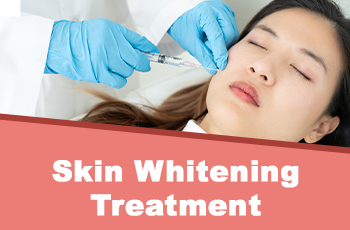
When people ask about skin whitening, they’re rarely talking about becoming fairer. In most consultations, what they really want is relief from uneven tone, persistent tanning, dark patches, or skin that looks dull no matter how well they care for it. That distinction matters.
Medically speaking, skin whitening treatment is not about changing your natural skin colour. It is about correcting excess pigmentation, improving brightness, and restoring uniformity in skin tone, safely and gradually.
You won’t set unrealistic expectations, and you won’t take shortcuts if you understand how this works from a medical standpoint.
What Is Skin Whitening Treatment?
Clinically speaking, the purpose of a skin whitening treatment is to control melanin levels. Melanin is the pigment that provides the skin’s colour; when it is produced at an uneven or excessive level as a result of excessive sun exposure, hormonal fluctuations, skin inflammation, acne, or genetics, the result can be unwanted changes in your skin’s colour.
Skin whitening treatments are used to:
Reduce excessive or uneven melanin levels.
Lighten pigmentation/tanning.
Improve the glow of skin.
Create an even complexion.
The goal of treatment is to achieve healthy skin, not to create a weird artificial colouration.
How Skin Whitening Treatment Works Medically
Pigmentation forms in layers, and treating it requires restraint.
Some treatments will provide benefits for deeper skin layers. In general terms, medical-grade skin whitening focuses on the management of pigment production rather than the aggressive removal of pigmented tissue.
Depending on the treatment plan, this may involve:
Decreasing melanin production at the cellular level.
Decomposing existing deposits of pigment.
Optimising skin layer turnover.
Maximising the ability of the skin barrier to avoid darkening after initial treatment.
In all treatment protocols for skin whitening, the primary focus is on gradual improvement over time.
Skin Whitening Treatments Used in Medical Practice
There is no universal solution. Different concerns require different approaches, which is why multiple skin whitening treatments exist.
1. Chemical Peels
Used for surface-level pigmentation and tanning. These remove pigmented skin layers gradually and stimulate fresh skin regeneration.
2. Laser and Light-Based Treatments
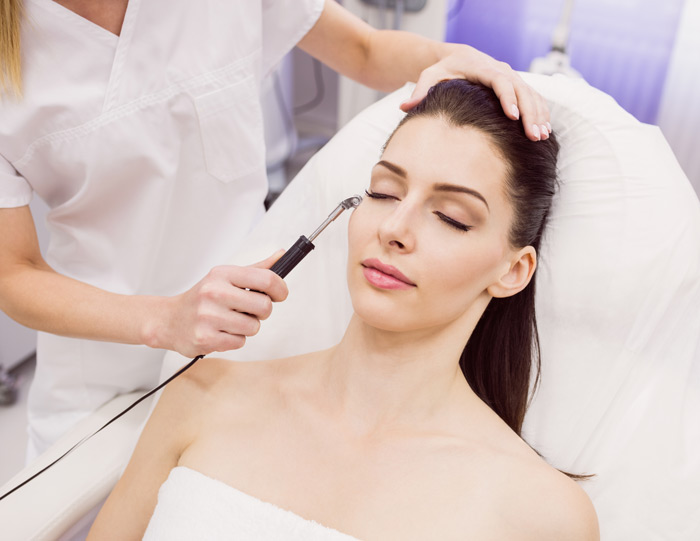
Lasers target melanin selectively and are used for deeper or more resistant pigmentation. The pigment breaks down and is cleared naturally over time.
3. Medical Brightening Procedures
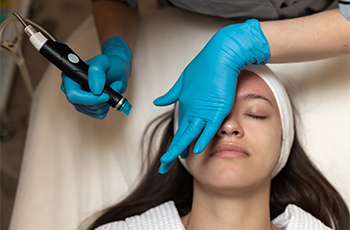
Certain in-clinic procedures focus on hydration, controlled exfoliation, and barrier repair. These improve brightness and texture without aggressive intervention.
4. Prescription-Based Topical Therapy
The prescription topical creams prescribed by a doctor will balance the melanin levels in the skin over a period of time (weeks to months) and may be used with additional in-office treatments.
When patients undergo more than one type of treatment, they will achieve better results.
Realistically, the results of skin whitening services are subtle at first but progressively improve.
How Long Does It Take to See Results?
Timelines vary widely.
Surface tanning or mild pigmentation may start improving within a few weeks. Deeper pigmentation, melasma, or long-standing dark patches usually require multiple sessions spread over a few months.
Sun exposure, skincare habits, and consistency play a larger role than the treatment alone.
Are Skin Whitening Results Permanent?
Results can be maintained, but they are not permanent by default.
Pigmentation can return if the skin is repeatedly exposed to triggers such as sunlight, heat, inflammation, or hormonal changes. Maintenance care and strict sun protection are essential to preserve improvement.
What Are the Risks of Skin Whitening Treatments?
Skin-whitening treatments can be performed under a doctor’s supervision and are considered safe. However, when these procedures are performed without adequate medical evaluation or too aggressively, complications can occur.
The possible side effects of skin whitening include:
Temporary redness or sensitivity.
Mild peeling.
Irritation leading to rebound pigmentation if not managed correctly.
This is why medical evaluation is more important than the treatment itself.
Who Is Skin Whitening Treatment Suitable For?
Skin whitening treatments may be appropriate if you:
Struggle with uneven skin tone or tanning.
Have pigmentation or dullness.
Want gradual, medically guided improvement.
Prefer safe, controlled results.
They are not suitable for anyone expecting a change in natural skin colour or instant transformation.
Why Medical Assessment Makes a Difference
Pigmentation is complex. Two people with similar-looking dark patches may need entirely different treatments.
A proper medical assessment helps:
Identify the cause of pigmentation.
Select the safest treatment plan.
Avoid unnecessary or damaging procedures.
Have realistic expectations of the results you can achieve.
At Cosmetic Surgery Pune, we consider skin whitening as a medical correction, rather than simply following a trend.
Final Thoughts
Skin whitening treatment does not change your identity but helps to correct skin imbalances, restore skin clarity and improve overall skin function. When done thoughtfully and medically, it improves tone, texture, and confidence without compromising skin health.
If you’re considering skin whitening treatment, the most important step is a personalised consultation that focuses on safety, realism, and long-term results.
FAQs
1. What is skin whitening treatment?
It is a medical approach to reducing excess pigmentation and improving skin brightness without altering natural skin colour.
2. Is there any medical treatment for skin whitening?
Yes. Treatments include chemical peels, laser procedures, medical facials, and prescription-based topical therapies.
3. What are the risks of skin whitening treatments?
When supervised medically, risks are low. Improper or aggressive treatment can lead to irritation or pigmentation issues.
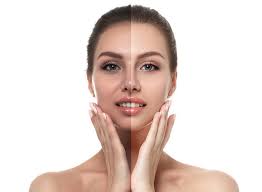
4. How long does it take to see the before and after results of skin whitening treatment?
Mild improvement may appear within weeks, while deeper pigmentation requires multiple sessions over time.
5. How many sessions are required for noticeable before and after results?
The number of sessions depends on the depth of pigmentation and individual skin response.