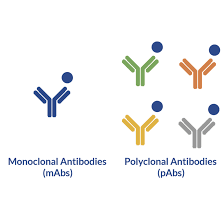



Immunological studies are crucial for understanding how the immune system works, and one of the key proteins involved in immune responses is STAT1. STAT1 antibody plays a vital role in helping researchers investigate the functioning of STAT1, a protein that is essential for cell signaling, particularly in immune cells.
In this article, we’ll explore how STAT1 antibodies help facilitate immunological research, enabling scientists to uncover new insights into immune diseases, infections, and treatments.
What is STAT1?
Before diving into how the STAT1 antibody is used, it’s important to understand what STAT1 is. STAT1 (Signal Transducer and Activator of Transcription 1) is a protein that regulates immune responses. It plays a critical role in cell signaling pathways that help immune cells respond to external signals, such as viruses, bacteria, and inflammatory cytokines. Proper activation of STAT1 is crucial for the immune system’s ability to combat infections and maintain homeostasis.
However, disruptions in the STAT1 signaling pathway can lead to immune disorders or make the body more susceptible to infections. This is why understanding and studying STAT1 is so important.
Why Are STAT1 Antibodies Essential in Immunology Research?
STAT1 antibodies are powerful tools used by researchers to study STAT1 proteins in various biological samples. Here are a few key reasons why these antibodies are indispensable:
- Detection and Quantification:
STAT1 antibodies enable researchers to detect and quantify the presence of STAT1 in cells, tissues, and other samples. This is crucial for studying the expression levels of STAT1 in different conditions, such as during infection or inflammation.
- Understanding Protein Localization:
These antibodies allow scientists to visualize where STAT1 is located within cells. This helps them understand its role in different cellular compartments and its movement in response to various signals.
- Studying Post-Translational Modifications:
STAT1 antibodies can also help in identifying changes in the protein after it has been modified (such as phosphorylation). These modifications are important for STAT1’s activation and function, which are key to immune responses.
- Investigating Mutations:
In some cases, STAT1 mutations can lead to immune diseases. By using STAT1 antibodies, researchers can identify these mutations and understand how they affect STAT1’s function, contributing to immune system dysfunction.
Key Applications of STAT1 Antibodies in Immunology
1. Western Blot Analysis
Western blotting is one of the most common techniques for detecting specific proteins in a sample. Researchers use STAT1 antibodies in Western blotting to confirm the presence and size of the STAT1 protein.
This technique can be used to compare STAT1 levels in different cell types or tissues, allowing scientists to track changes in STAT1 expression under various conditions.
2. Immunohistochemistry (IHC)
Immunohistochemistry is another widely used method where STAT1 antibodies are employed to detect the presence of STAT1 in tissue sections.
This helps researchers understand how STAT1 is distributed within tissues, and how its expression might change in diseases such as cancer, autoimmune disorders, or viral infections.
3. Immunofluorescence
In immunofluorescence, STAT1 antibodies are tagged with fluorescent markers to visualize STAT1 in living cells. This method allows researchers to study the dynamics of STAT1 in real-time, including its activation and cellular localization.
It’s particularly useful in understanding how immune responses are triggered and how STAT1 participates in those processes.
4. Enzyme-Linked Immunosorbent Assay (ELISA)
ELISA is a sensitive technique used to measure the concentration of proteins in biological samples. STAT1 antibodies are used in ELISA to quantify STAT1 levels, providing insights into how STAT1 expression is regulated in various diseases.
For example, researchers may measure STAT1 levels in serum samples from patients with autoimmune diseases to understand how the immune system is malfunctioning.
STAT1 Antibodies in Disease Research
STAT1 and Immune Disorders
Defects in STAT1 signaling are linked to many autoimmune diseases and immunodeficiencies. STAT1 antibodies help researchers study how mutations in the STAT1 gene impair immune responses, leading to these disorders.
Viral Infections
STAT1 plays a crucial role in the body's response to viral infections by activating immune responses to block viral replication. Studying STAT1 antibodies helps scientists understand how STAT1 is activated during infections and why viruses like the flu or HIV can evade immune defenses.
Cancer Research
STAT1 is also involved in the regulation of cell growth and survival. Disruptions in STAT1 signaling can contribute to cancer development. STAT1 antibodies help in identifying cancerous cells that have altered STAT1 expression, aiding in cancer diagnosis and potentially opening new avenues for targeted therapies.
Final Thought
STAT1 antibodies are essential tools in immunological research, enabling scientists to study STAT1's role in immune responses and disease progression. These antibodies aid in techniques like Western blotting, immunohistochemistry, immunofluorescence, and ELISA, helping researchers explore immune mechanisms.
Continued research using STAT1 antibodies could lead to breakthroughs in treating immune disorders, viral infections, and cancer.