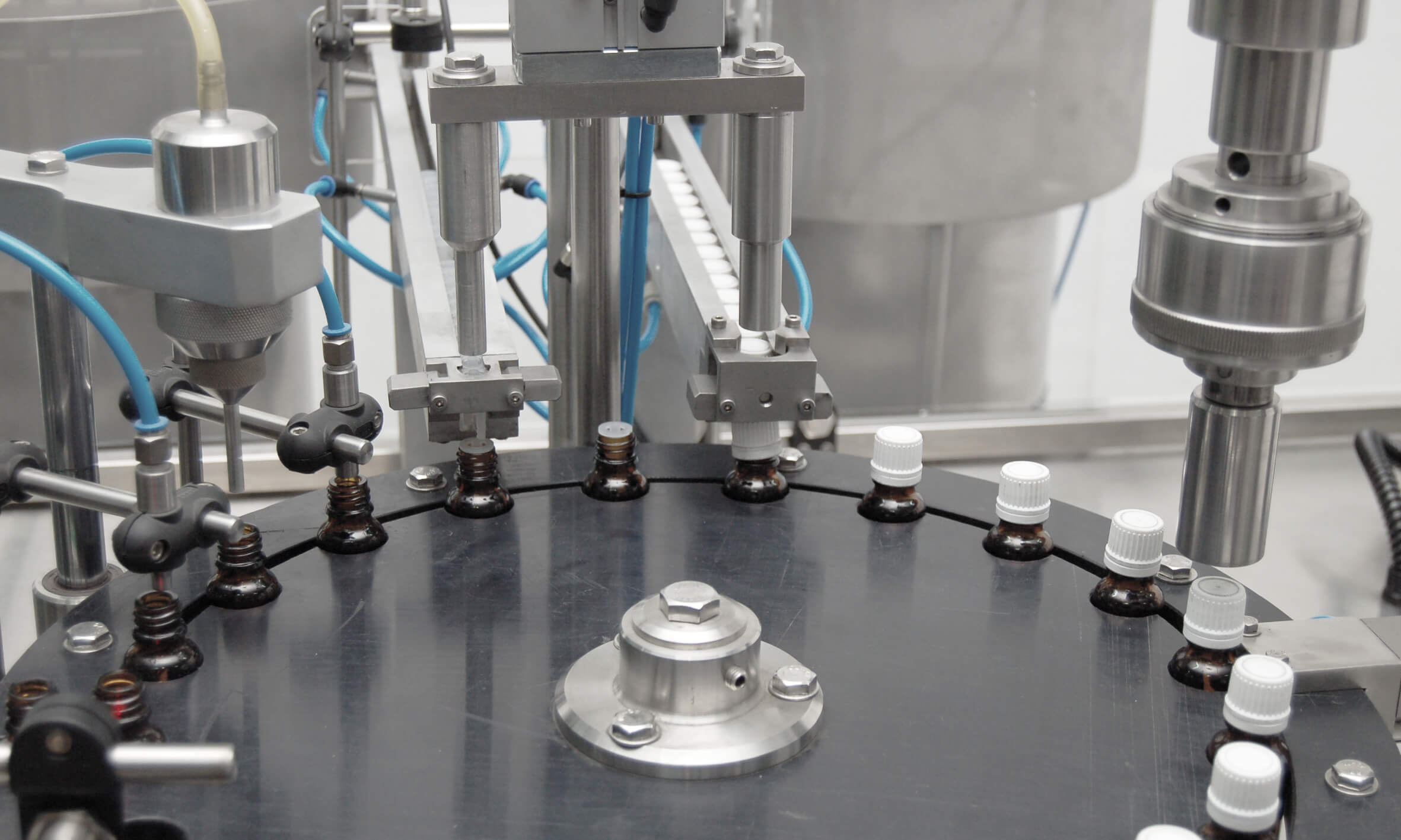


In today’s fast-paced manufacturing world, cost control isn’t just a goal—it’s a survival tactic. Companies are constantly hunting for smarter ways to streamline operations without sacrificing quality. Enter the industrial filling machine, a quiet workhorse that’s reshaping production floors and trimming expenses where it matters most. At first glance, it’s just another piece of equipment. Look closer, though, and it’s a game-changer!
The Hidden Cost of Manual Filling
Manual filling processes often seem manageable—until the numbers start adding up. Labor hours stretch longer than expected, material wastage creeps in unnoticed, and inconsistency becomes a daily headache. Human error, after all, is part of the deal. Spilled product here, overfilled container there… before long, profits start leaking away.
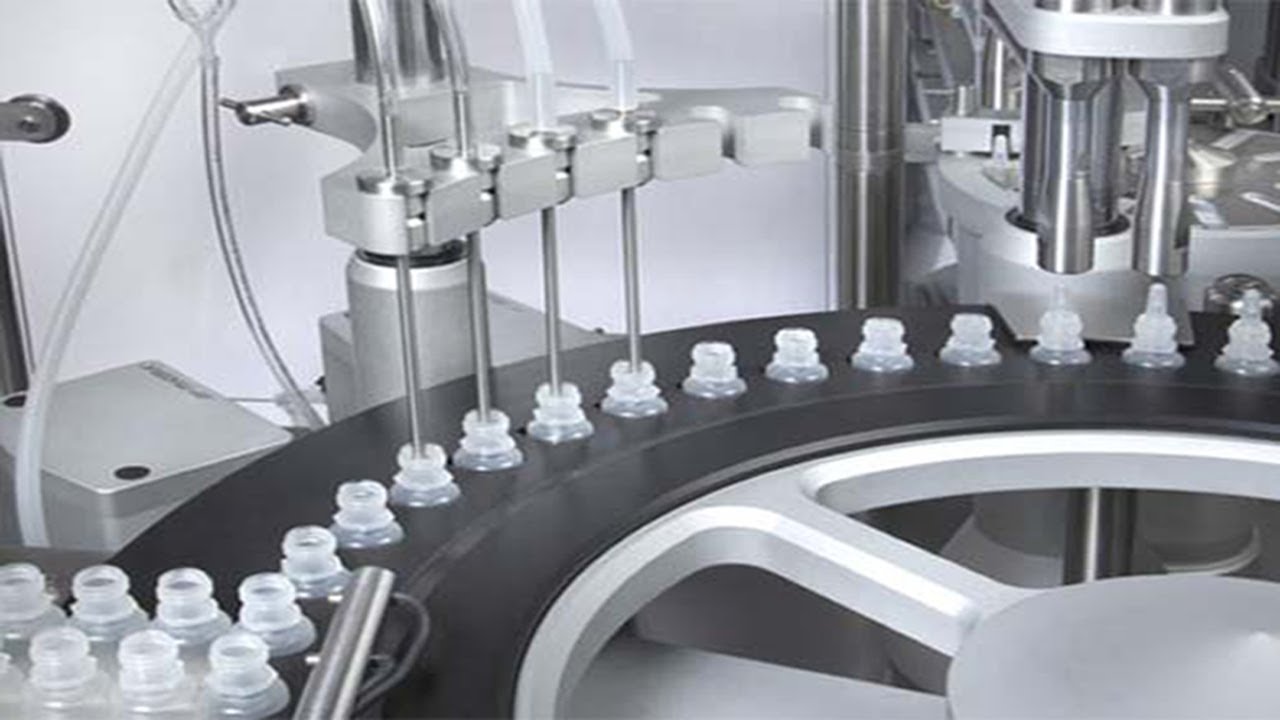
By contrast, automated filling systems bring order to the chaos. Designed for precision, they deliver consistent volumes every single time. Less waste, fewer reworks, and smoother workflows—what’s not to like?
Automation That Pays for Itself
• Reduced Labor Expenses - One of the biggest cost savers lies in labor optimization. An industrial filling machine can handle repetitive tasks faster and more accurately than a manual setup. As a result, fewer operators are required, and those on the floor can be reassigned to higher-value roles. Suddenly, payroll looks a lot healthier.
• Faster Production Cycles- Time is money—everyone knows that. Automated filling equipment speeds up production cycles without breaking a sweat. With higher output per hour, facilities can meet growing demand without extending shifts or investing in additional lines. And just like that, operational efficiency gets a serious boost.
Precision Means Less Waste
• Accurate Filling, Every Time- Overfilling and under filling aren’t just quality issues; they’re cost drains. Automated filling solutions are engineered to dispense exact quantities, minimizing product giveaway. Especially in industries dealing with liquids, powders, or viscous materials, that precision translates directly into savings.
• Material Optimization - By reducing spills and rejects, manufacturers make better use of raw materials. Over time, those small savings stack up, turning into significant cost reductions. It’s a classic case of “watch the pennies, and the pounds take care of themselves.”
Maintenance and Longevity Advantages
• Built for Durability - Modern filling systems are designed with long-term use in mind. Reliable components, easy-to-clean designs, and smart diagnostics reduce downtime and maintenance costs. When machines run smoothly, unexpected repair bills don’t come knocking as often.
• Support from the Right Partner - Working with an experienced filling machine manufacturer adds another layer of cost control. Expert guidance during installation, proper training, and access to spare parts ensure the equipment operates at peak performance for years. In the long run, that partnership helps avoid costly operational hiccups.
Scalability without the Growing Pains
As businesses expand, production demands shift. Automated filling solutions offer flexibility—adjustable settings, modular designs, and compatibility with different container types. Instead of investing in entirely new systems, manufacturers can scale up efficiently, keeping capital expenses in check.
A Smart Investment for Lean Operations
All things considered, industrial filling technology isn’t just about automation—it’s about working smarter. By cutting labor costs, reducing waste, improving consistency, and supporting scalable growth, these machines help manufacturers stay competitive in a crowded marketplace.
In the end, while the upfront investment may raise eyebrows, the long-term savings speak for themselves. When operational costs go down and efficiency goes up, it’s clear: embracing the right filling solution isn’t a luxury—it’s a savvy business move.

Business owners are in a tight squeeze these days. On one hand, you have increasing costs; software subscriptions, staff time, manual processes, and lack of communication that all waste money. On t