If you’ve ever stood in front of a deli counter wondering whether the mortadella in front of you is truly halal, you’re not alone. Mortadella is a beloved deli meat worldwide, but for Muslim consumers, enjoying it requires more than just good taste it requires certainty. Questions about ingredients, processing methods, and certification often make shoppers hesitant. That’s why understanding how Halal mortadella is made is essential for making confident, informed choices.
This guide explains the ingredients, production process, and certification standards behind mortadella halal products, helping you separate genuine halal options from misleading labels.
What Makes Halal Mortadella Different?
The halal mortadella is produced according to Islamic dietary laws, meaning every step from sourcing the meat to packaging must follow strict halal principles. Unlike conventional mortadella, which often contains pork fat or non-halal additives, halal mortadella relies on halal-certified meat and ingredients only.
The difference is not just religious; it also affects cleanliness, quality control, and consumer trust.
Why Halal Compliance Matters in Deli Meats
Processed meats are complex. They often contain emulsifiers, flavor enhancers, and preservatives that may be animal-derived or alcohol-based. This makes halal compliance especially important. Choosing mortadella halal products ensures that nothing haram enters the food chain, even in small or hidden amounts.
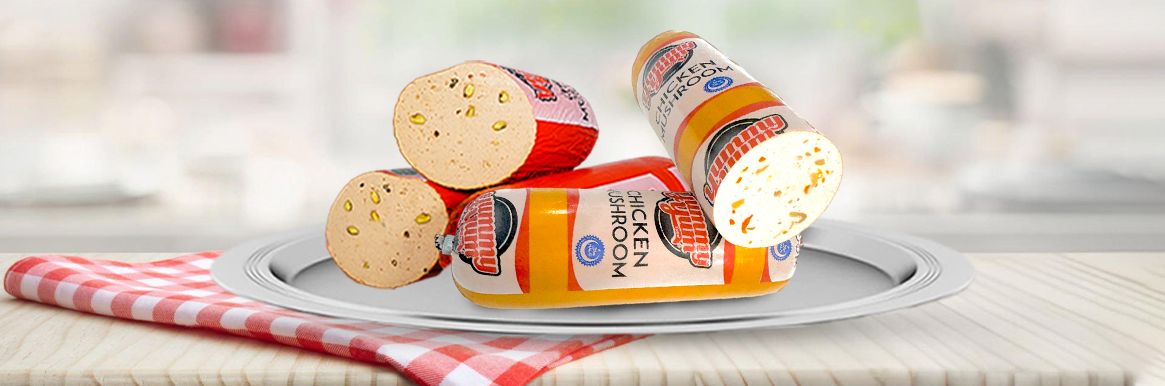
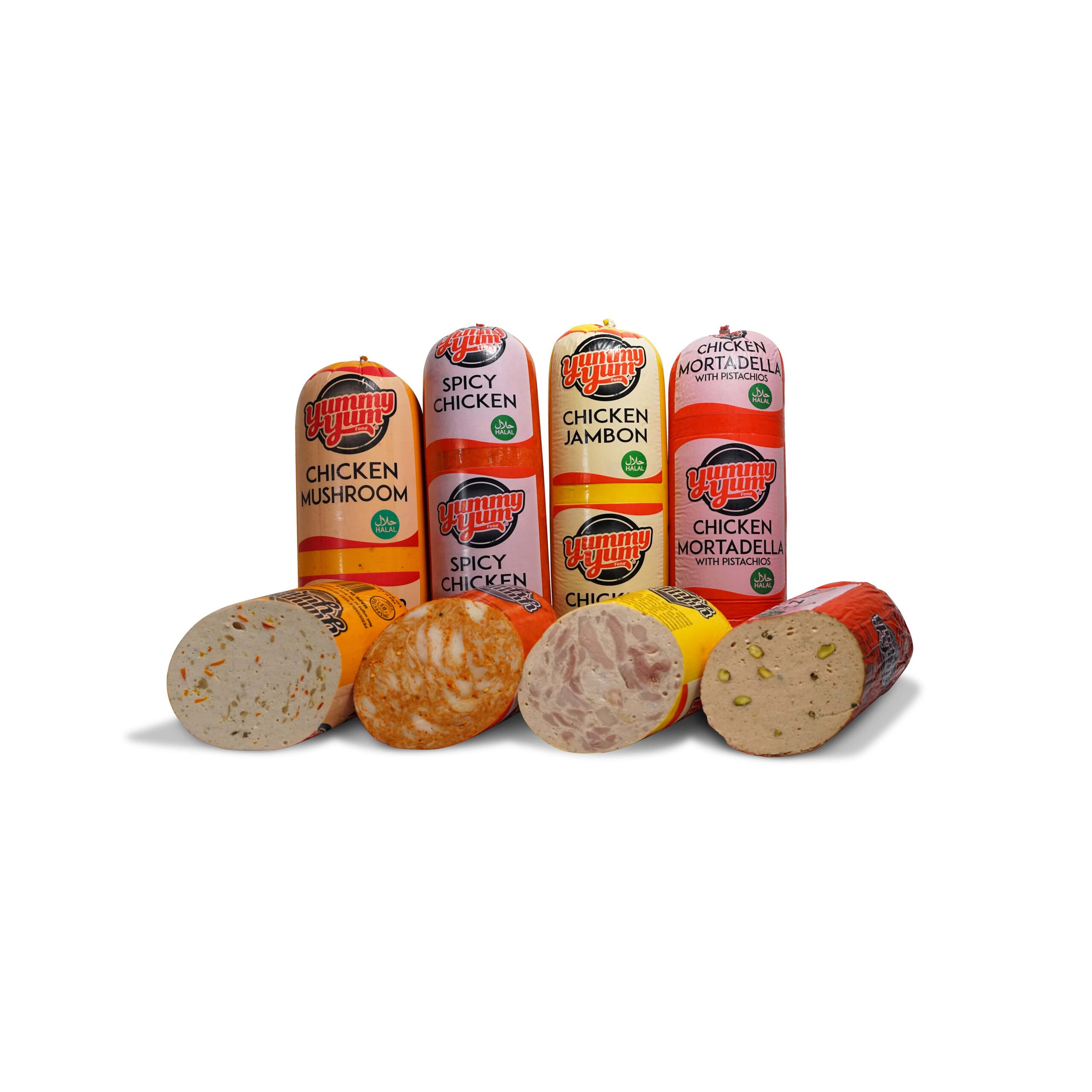
Many consumers trust established halal brands because they prioritize transparency and accountability, something that companies like yummy yummy deli style producers consistently emphasize.
Ingredients Used in Halal Mortadella
The ingredient list is where halal integrity begins. High-quality halal mortadella uses carefully selected components that meet both religious and food safety standards.
Halal Meat Selection
Most Halal mortadella is made using halal-certified beef or chicken. The animals must be slaughtered according to Zabiha guidelines, ensuring humane treatment and proper invocation. This is what differentiates halal beef mortadella from ordinary beef-based deli meats.
Fat, Binders, and Texture Agents
Traditional mortadella relies heavily on pork fat, but halal versions replace it with halal beef or chicken fat. Binders and stabilizers must also be halal-certified, which means avoiding gelatin or enzymes derived from non-halal animals.
Spices and Flavoring
Seasonings play a crucial role in flavor, but they can also be a risk area. Halal mortadella producers avoid alcohol-based flavor extracts and ensure all spices are sourced from halal-approved suppliers.
Step-by-Step Process of Making Halal Mortadella
Meat Grinding and Preparation
The process begins by finely grinding halal meat to create a smooth base. This fine texture is essential to mortadella’s signature softness. During this stage, equipment used is either dedicated to halal production or thoroughly cleaned to prevent cross-contamination.
Emulsification and Mixing
The ground meat is blended with halal fat, spices, and chilled water. This emulsification process binds the ingredients together, creating a uniform texture that defines mortadella halal products. Temperature control is critical here, as it affects both safety and taste.
Stuffing and Cooking
Once mixed, the mortadella is stuffed into halal-approved casings and slowly cooked at controlled temperatures. After cooking, it is rapidly cooled to preserve freshness and extend shelf life without compromising halal standards.
Halal Mortadella Certification Explained
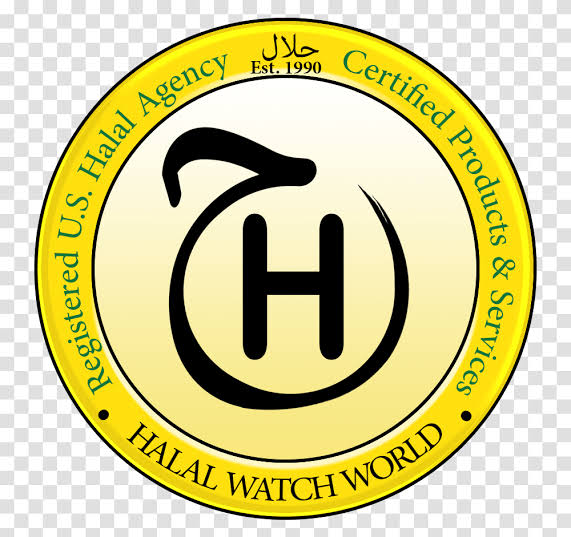
Certification is the backbone of trust. Halal mortadella must be approved by a recognized halal authority that audits every part of the process. Certification bodies verify ingredient sources, inspect facilities, and monitor ongoing compliance.
This means halal certification is not a one-time approval it is an ongoing commitment. Products without clear certification should always be approached with caution, especially in the halal deli meat category.
Halal Mortadella vs Regular Mortadella
While both products may look similar, the internal process is completely different. Regular mortadella often contains pork, non-halal fats, or mixed processing lines. Halal mortadella, by contrast, follows strict segregation and ingredient verification.
This is why halal mortadella may cost slightly more, but the added value lies in ethical sourcing, religious compliance, and higher production standards.
Relationship Between Halal Mortadella and Beef Sausages
Halal mortadella shares production similarities with halal beef sausages, such as ground meat processing and controlled seasoning. However, mortadella has a finer texture and milder flavor, making it ideal for sandwiches and platters, while beef sausages are firmer and more robust in taste.
Both products reflect the growing demand for high-quality halal deli options.
Quality Control and Safety Standards
Halal producers often follow international food safety systems alongside halal requirements. This combination ensures cleaner facilities, better ingredient tracking, and more consistent product quality. Many consumers find that halal mortadella offers better texture and reliability than non-halal alternatives.
Common Myths About Mortadella Halal Products
A common misconception is that mortadella made from beef is automatically halal. In reality, beef mortadella can still be non-halal if the slaughter method, additives, or processing environment do not meet halal standards. Certification remains the only reliable proof.
What to Look for When Buying Halal Mortadella
Here are the three most important indicators of a trustworthy product:
- A clearly displayed halal certification logo
- A transparent ingredient list with no vague additives
- A reputable brand known for halal deli meat standards
The Growing Popularity of Halal Mortadella
As awareness grows, halal mortadella is gaining popularity not only among Muslim consumers but also among non-Muslims who value ethical sourcing and clean-label foods. This demand encourages better practices across the deli meat industry.
Conclusion
Understanding how Halal mortadella is made removes uncertainty from your shopping experience. From halal-certified ingredients to strict production and certification processes, every step exists to protect consumer trust.
Choose halal mortadella from certified, transparent brands like those committed to authentic halal values. Read labels carefully, verify certification, and enjoy your halal deli meat with confidence and peace of mind.