

In the digital-first world of 2026, we spend millions on UI/UX, logos, and social media presence. Yet, many companies neglect their most powerful physical asset: their headquarters.
As a premier office interior designer in Bangalore, I often tell my clients that your office is your "physical handshake." It is the first thing a potential hire sees and the last thing a client remembers. However, corporate branding in interior design has evolved far beyond sticking a giant vinyl logo behind the reception desk.
In 2026, "branded environments" are about subtle immersion, not "tacky" repetition. Here is how to weave your brand DNA into your architecture.
1. Beyond the Logo: The Psychology of Color
If your brand color is "Electric Blue," painting every wall in that shade will lead to sensory overload and "visual fatigue" for your employees.
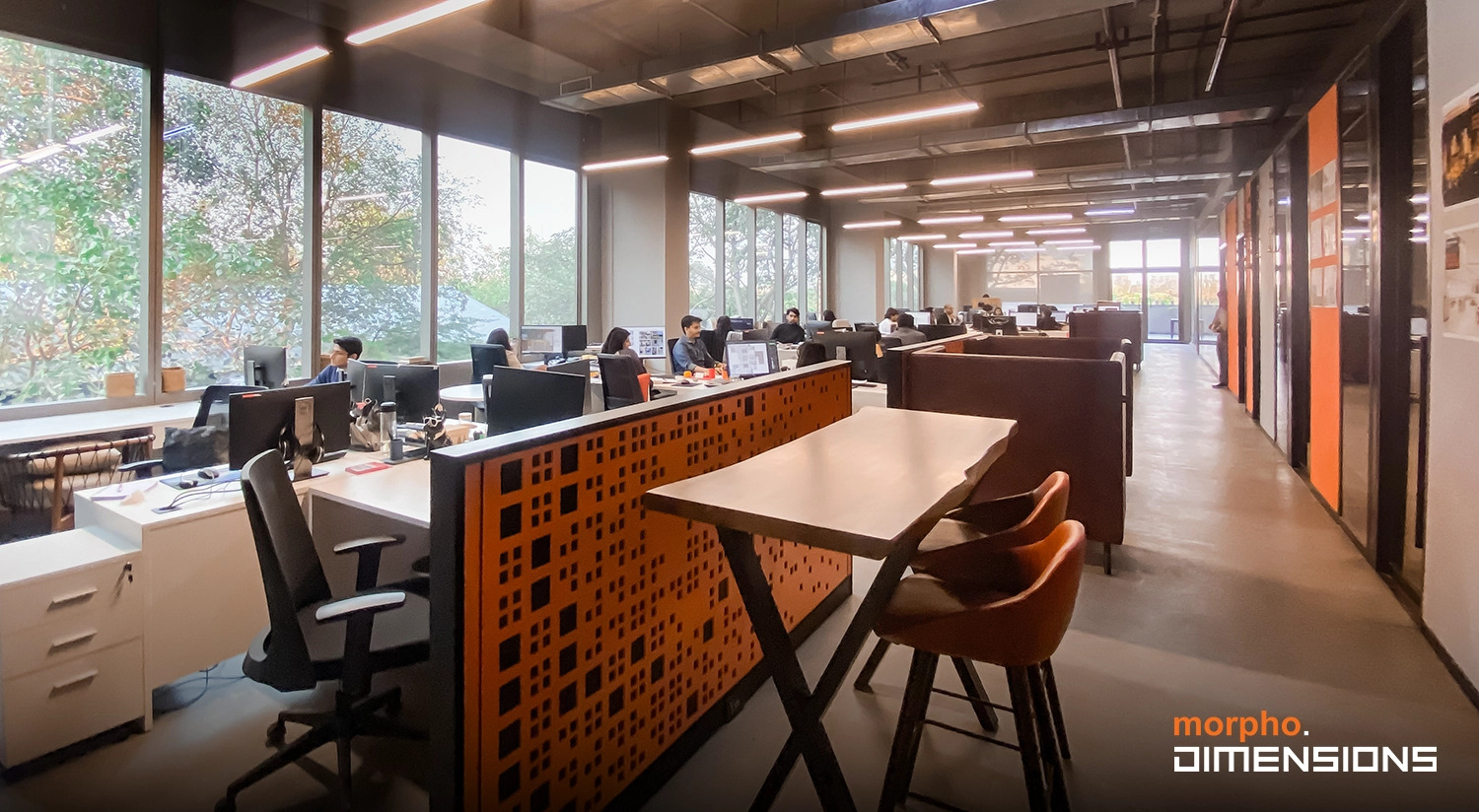
The 60-30-10 Rule: Use neutral tones for 60% of the space (floors/walls), a secondary brand color for 30% (furniture/partitions), and your primary brand color for the final 10% as "pops" of energy.
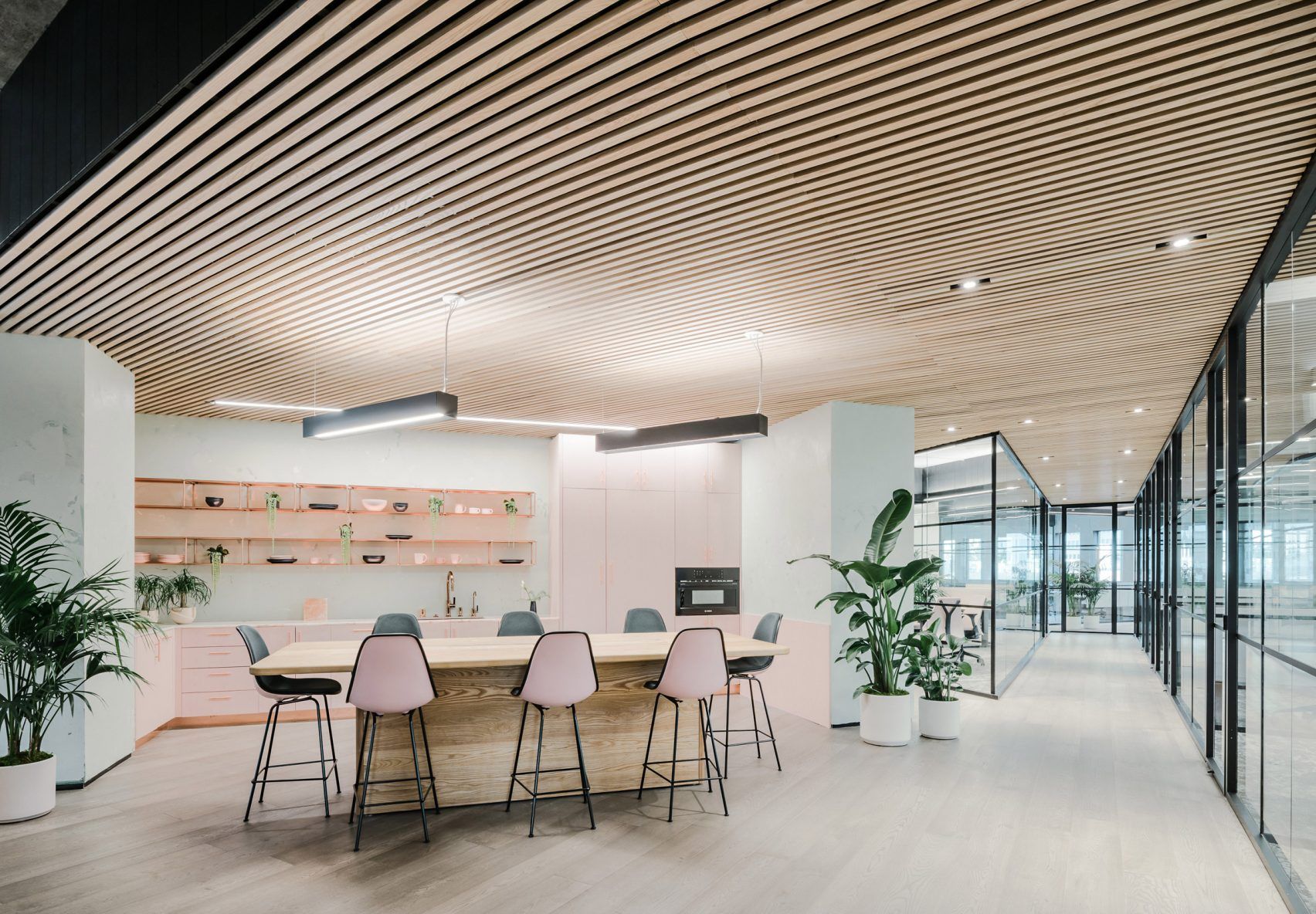
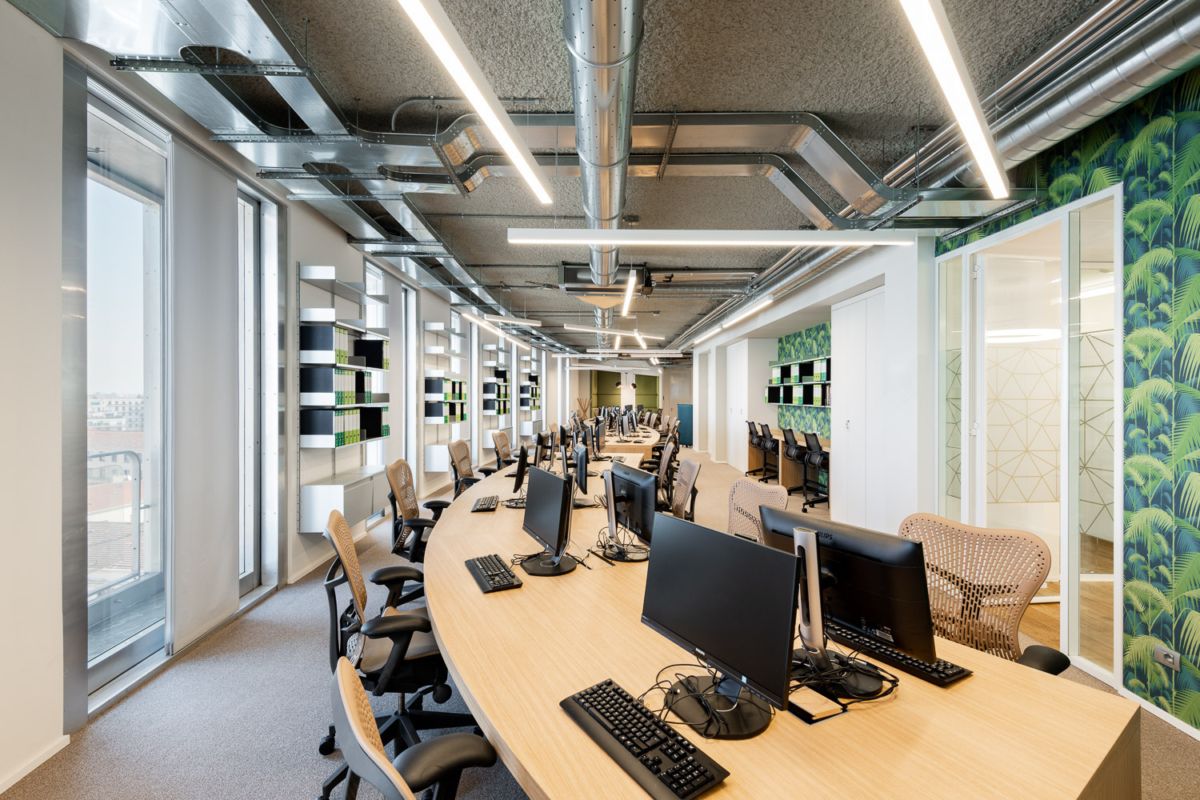
Materiality: Instead of using flat paint, express color through texture. A brand's "Green" value can be expressed through a living moss wall; a "Gold" luxury value can be expressed through brushed brass light fixtures.
2. Values in 3D: Architecture as a Statement
Your office aesthetic should tell the story of your workflow.
The Transparent Brand: If "transparency" is a core value, use glass-walled conference rooms and open-plan layouts (with acoustic zoning, of course).
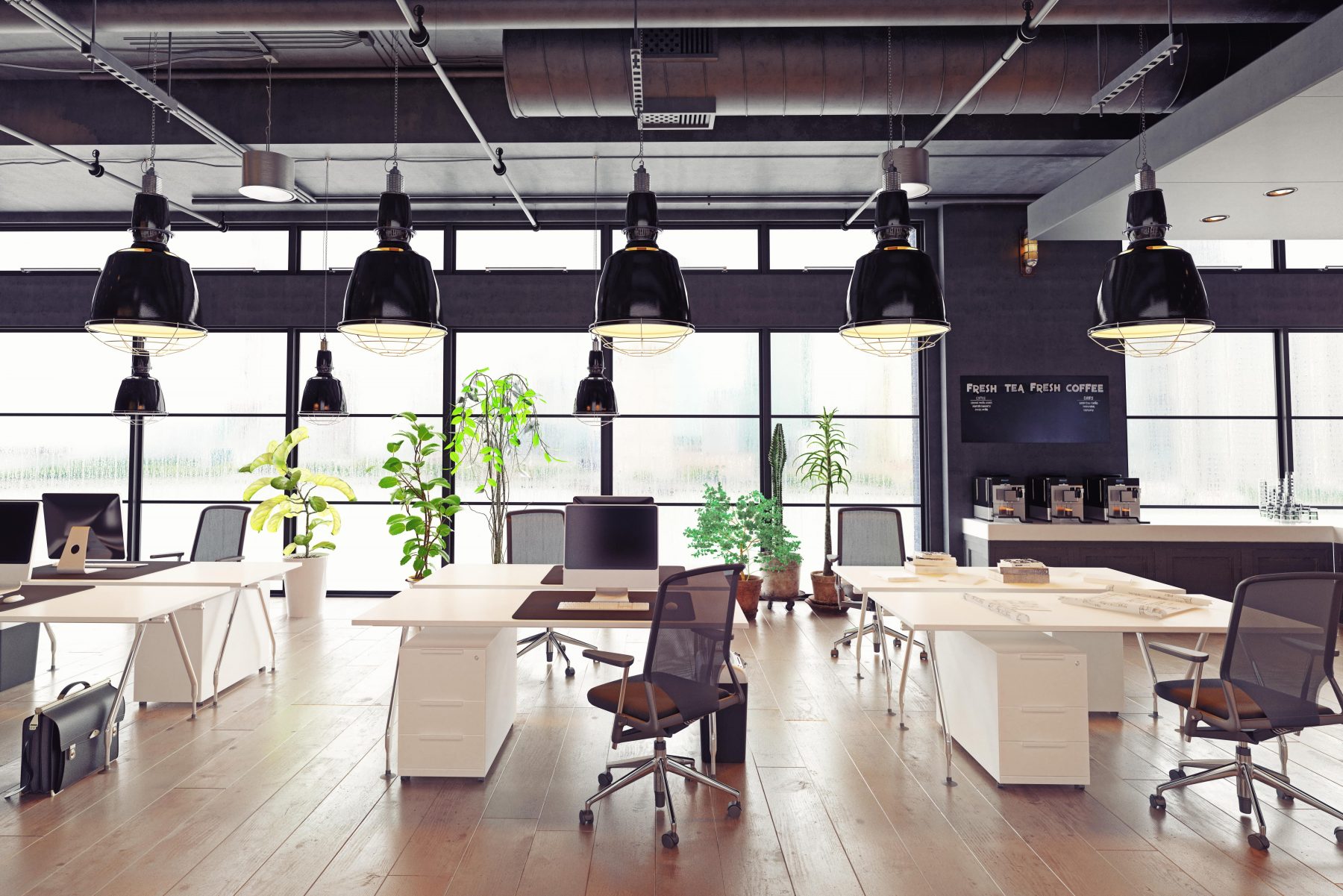
The Innovation Brand: If you are a deep-tech firm in Whitefield, utilize raw, industrial elements and "tinker spaces" that look like high-end laboratories.
The Legacy Brand: For established law or finance firms, use heavy timbers and symmetry to communicate stability and trust.
3. The "Client Journey": Designing the Experience
Think of your office as a marketing funnel. The "branded environment" starts at the elevator lobby and ends in the boardroom.
The Welcome: The reception should feel like the "home page" of your website—clean, inviting, and clearly stating your "Why."
The Subtle Cues: Use custom-designed manifestation films on glass partitions that use patterns derived from your logo, rather than the logo itself.
The "Hero" Moment: Every office needs one "Instagrammable" spot—a feature wall or a unique lounge—that embodies the brand's spirit and encourages employees to share their workplace pride on social media.
4. The Budget Conversation: Investing in Identity
When calculating the interior design cost in Bangalore, branding is often seen as a "luxury add-on." In reality, it is a core business investment.
Standard Fit-out: Focuses on utility (₹3,000 - ₹4,000 per sq. ft.).
Branded Fit-out: Focuses on storytelling and custom elements (₹4,500 - ₹6,500 per sq. ft.).
The ROI: A branded office reduces the "cost per hire" by making your firm more attractive to top-tier talent and shortens the sales cycle by building immediate trust with visiting clients.
The Verdict: Don’t Just Decorate, Communicate
In 2026, the best office interiors in Bangalore aren't just pretty—they are purposeful. Your office is your business card, your mission statement, and your culture, all rendered in steel, wood, and light.
Don't just build a place for people to sit; build a place for your brand to live.