


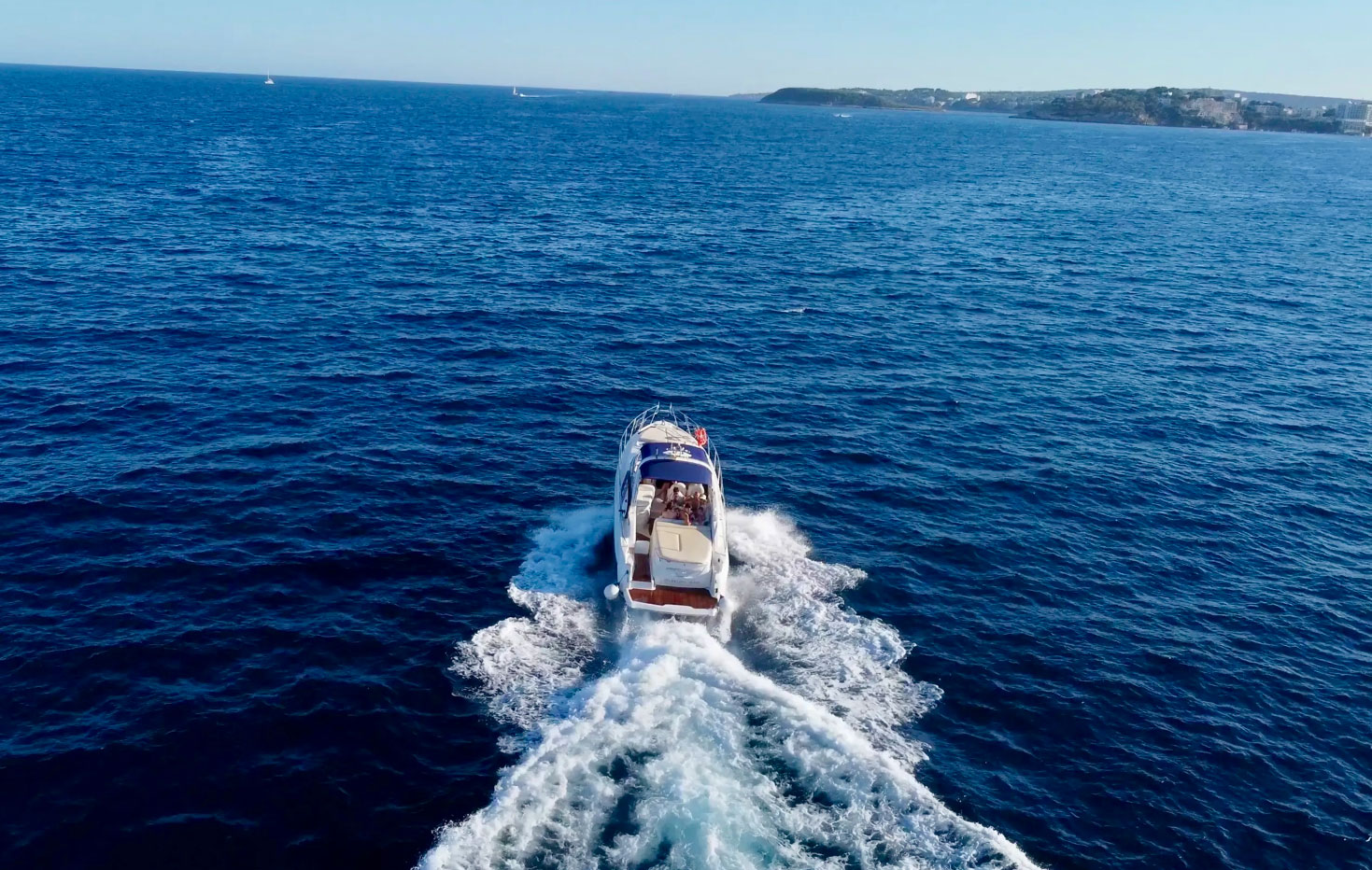
So you're thinking about renting a boat in Mallorca. Smart choice. The island has over 550 kilometers of coastline, and honestly, most of the best parts are either difficult or impossible to reach by land. This guide covers everything from figuring out what type of boat you need to avoiding common mistakes that can turn a perfect day into a hassle.
Why Rent a Boat in Mallorca Anyway?
Let's start with the obvious question. Mallorca has plenty of beaches you can drive to, so why bother with a boat?
The simple answer: the coastline you can access by car represents maybe 20% of what's actually out there. The other 80% includes hidden coves with water so clear you can see the bottom at 10 meters deep, sea caves you can swim into, cliffs that drop straight into turquoise water, and beaches where you might be the only people there.
Plus, there's something fundamentally different about experiencing an island from the water. The perspective shifts. You're not following roads or dealing with parking or competing with crowds. You're making your own route and your own schedule.
Types of Boats Available
This matters more than most people realize. The "best" boat depends entirely on what you're actually planning to do.
Small motorboats (up to 6 meters). These are the workhorses of Mallorca boat rental. No license required for most of them, simple to operate, and perfect for day trips along the coast. They're ideal if you want to explore nearby coves, do some swimming and snorkeling, maybe pack a picnic. Not great for longer distances or if the sea gets choppy.
Capacity: Usually 4-6 people comfortably
Typical range: 10-15 nautical miles
Price range: €150-300 per day
Medium motorboats (6-10 meters). Step up in comfort and capability. More powerful engines mean you can cover more distance and handle rougher conditions. Often include sun covers, better seating, sometimes a small cabin. Good choice if you're planning to explore farther or want more amenities.
Capacity: 6-10 people
Typical range: 20-30 nautical miles
Price range: €300-600 per day
RIBs (Rigid Inflatable Boats). Fast, stable, and fun if you enjoy a bit of excitement. The inflatable sides make them nearly unsinkable and great for water sports. Popular with younger groups or anyone who wants to cover a lot of ground quickly.
Capacity: 8-12 people typically
Range: Can cover the entire island coastline
Price range: €400-800 per day
Sailing boats. Completely different experience. Slower, quieter, more about the journey than the destination. Requires either sailing experience or hiring a skipper. Beautiful if that's your thing, but not ideal if you want to hit multiple spots in a day.
Capacity: Varies widely, 4-12 people common
Range: Unlimited really, depends on your skills
Price range: €500-2000+ per day
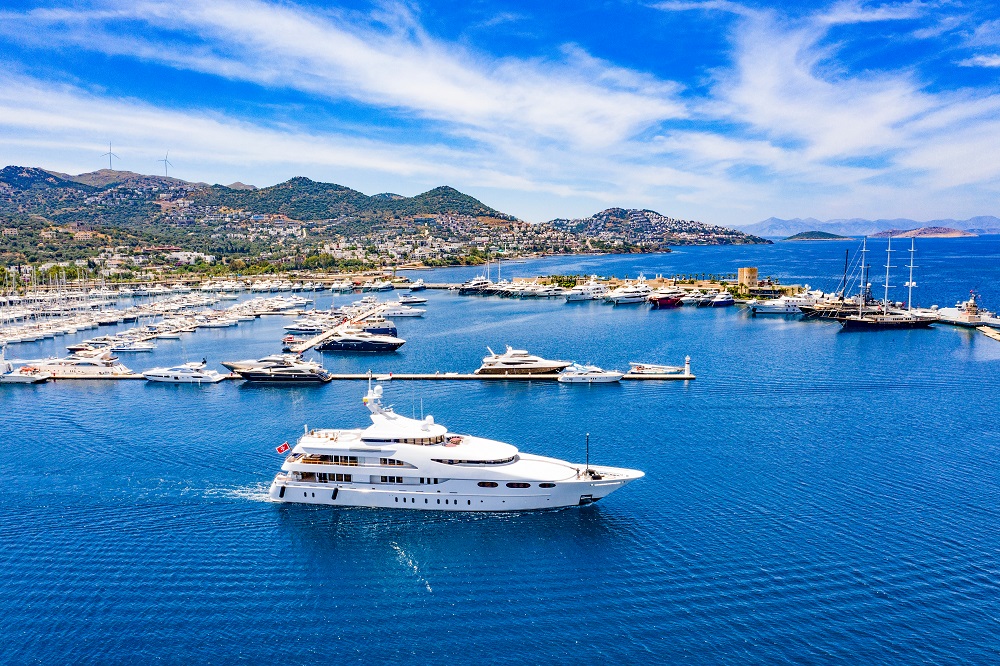
Catamarans. The luxury option for groups. Stable, spacious, often equipped with full amenities. Perfect for larger groups or multi-day charters. Most require a skipper unless you have serious experience.
Capacity: 10-30+ people depending on size
Range: Designed for long-distance cruising
Price range: €1000-5000+ per day
Jet skis. Not technically a boat, but worth mentioning. Fun for a couple hours, exhausting for a full day. Loud. Not great for actual exploration but entertaining if you just want speed and splashing around.
Capacity: 1-2 people
Range: Limited by fuel and your energy
Price range: €100-200 for 2-3 hours
Do You Need a License?
This confuses everyone, so here's the actual breakdown for Spain:
No license needed:
- Boats under 15 horsepower
- Boats under 5 meters length (with some exceptions)
- This covers most small rental boats marketed to tourists
License required:
- Boats over 15 horsepower
- Any sailing boat over 6 meters
- Jet skis over 110cc (which is basically all of them)
However, many rental companies work around this by including a skipper in the price or offering a brief tutorial for their smaller boats. Always ask specifically what's required for the boat you're interested in.
If you're renting something that requires a license and don't have one, hiring a skipper is mandatory. This actually has advantages - they know the best spots, handle the navigation, and you can relax completely.
Best Areas to Explore by Boat
Mallorca's coastline varies dramatically depending on which side of the island you're on. Here's what you need to know:
North Coast (Alcudia, Pollença, Cap Formentor)
Dramatic cliffs, deep water, spectacular scenery. The beaches here are stunning but often rocky. Cap Formentor is genuinely breathtaking from the water. Can get windy, especially afternoons. Protected bays around Alcudia are perfect for calmer days.
Best for: Sightseeing, photography, adventurous exploration
Water conditions: Can be choppy, check weather
Highlights: Formentor lighthouse, Cala Figuera, hidden caves
East Coast (Cala Ratjada, Cala Millor, Cala d'Or, Porto Cristo)
Mix of sandy beaches and rocky coves. Generally calmer water than the north. Lots of accessible coves perfect for swimming and snorkeling. Porto Cristo caves are worth seeing. The area around boat rental in Porto Petro offers excellent access to some of the most beautiful southern coves, with that classic Mallorcan combination of turquoise water and pine-covered cliffs.
Best for: Swimming, snorkeling, relaxed exploration
Water conditions: Usually calm, especially mornings
Highlights: Cala Mondragó, Cala Figuera, countless small coves
South Coast (Colònia de Sant Jordi, Es Trenc area)
Famous for pristine beaches and the incredible blue water. Es Trenc is spectacular from the sea. Less developed, more natural feeling. Shallow waters in many areas make it perfect for families.
Best for: Beach hopping, swimming, peaceful days
Water conditions: Generally calm and shallow
Highlights: Es Trenc, Cabrera Island (requires permit), endless white sand beaches
West Coast (Port d'Andratx, Sant Elm, La Dragonera)
Rugged, mountainous coastline dropping straight into deep water. La Dragonera island is a protected natural park and absolutely worth visiting. More remote feeling than other coasts. Stunning sunsets.
Best for: Nature lovers, diving, sunset cruises
Water conditions: Can be rough, deep water quickly
Highlights: La Dragonera, Sa Dragonera lighthouse, dramatic cliffs
Southwest (Portals Nous, Santa Ponsa, Paguera)
Tourist-heavy but convenient. Good infrastructure for boat rental. Accessible beaches. Can feel crowded in peak season. Good starting point if you're new to boating.
Best for: Beginners, convenience, easy access
Water conditions: Protected, generally calm
Highlights: Convenient access to multiple beaches, good restaurants
How to Actually Book a Boat
The booking process varies depending on whether you're going through a platform or directly with a company like Boat Rental Mallorca.
Booking platforms (Click&Boat, SamBoat, etc.)
Pros: Easy comparison, lots of options, user reviews
Cons: Service fees, less personal contact, sometimes outdated listings
Best for: Comparing prices and options across multiple operators
Direct with local companies
Pros: Often better prices, direct communication, local knowledge
Cons: More research needed, fewer comparison tools
Best for: When you know what you want and value personal service
Through hotels/resorts
Pros: Convenient, someone else handles arrangements
Cons: Usually most expensive option, limited selection
Best for: When convenience matters more than price
What to look for in any booking:
- Clear pricing breakdown. Some companies quote a base rate then add fuel, skipper, insurance, cleaning, mooring fees, and suddenly your €300 boat costs €600. Ask for the total, all-in price upfront.
- Cancellation policy. Weather in Mallorca is generally great, but storms happen. Understand what happens if conditions are unsafe or you need to cancel.
- What's actually included. Fuel policies vary wildly. Some include it, some charge separately, some give you a tank and you return it full. Same with skipper, safety equipment, snorkeling gear, etc.
- Insurance coverage. What are you liable for if something goes wrong? Deposit requirements? Damage policies?
- Actual availability. Some platforms show boats that aren't actually available. Confirm directly before getting too excited.
Timing: When to Rent and for How Long
Season matters:
Peak season (July-August)
Pros: Best weather, warmest water, longest days
Cons: Most expensive, more crowded waters, book way ahead
Sea temperature: 24-26°C
Booking: Reserve 2-3 months ahead minimum
Shoulder season (May-June, September-October)
Pros: Great weather, fewer people, better prices, more availability
Cons: Water slightly cooler, some services limited
Sea temperature: 20-24°C
Booking: Reserve 2-4 weeks ahead
Off-season (November-April)
Pros: Cheapest rates, empty waters, authentic experience
Cons: Weather unpredictable, some operators closed, water cold
Sea temperature: 14-18°C
Booking: Often available last-minute
How long to rent:
Half day (4 hours)
Enough to visit 2-3 nearby coves, do some swimming, have lunch on board. Good introduction if you're uncertain. Usually runs morning (9am-1pm) or afternoon (2pm-6pm).
Full day (8 hours)
Sweet spot for most people. Time to really explore, visit multiple spots, not feel rushed. Can cover significant distance or just take your time in a few perfect locations.
Multiple days
Makes sense if you want to circumnavigate the island or visit Cabrera. Requires more planning and usually mandates hiring a skipper unless you're experienced.
Week or more
Proper yacht charter in Mallorca territory. You're essentially living on the boat, visiting different ports, experiencing island life from the water. Completely different experience from day rentals.
What to Bring
People either overpack or show up completely unprepared. Here's what actually matters:
Essential:
- Sunscreen (seriously, the reflection off the water intensifies everything)
- Hat and sunglasses
- Towels
- Water (more than you think you'll need)
- Motion sickness medication if you're prone to it
- Phones in waterproof cases or bags
- Basic first aid kit
Recommended:
- Snorkeling gear (if not provided)
- Cooler with food and drinks
- Bluetooth speaker (check with operator first)
- Extra clothes (you'll get wet, having dry options is nice)
- Waterproof bag for valuables
- Camera (waterproof if possible)
Optional but nice:
- Fishing gear (confirm it's allowed)
- Inflatable toys for kids
- Portable phone charger
- Light jacket for evening if you're out late
Don't bring:
- Glass bottles (plastic only on boats)
- Excessive luggage (space is limited)
- Expectations of staying completely dry

If you are looking for the best service provider of Boat Rental and Yacht Charter in Puerto Vallarta for the best yachting experience, then here you are in the right place.Contact Us:- Address: Marina Vallarta, Paseo De La Marina 48335 Puerto Vallarta, Jalisco, MexicoEmail Id : Info@puertovallartayachts.comPhone : 702.401.4284Website : https://puertovallartayachts.com/