

For individuals planning to immigrate to Canada or improve their CRS score under Express Entry, tef canada preparation has become a crucial step toward achieving success. TEF Canada (Test d’Évaluation de Français) is an officially recognized French language proficiency test accepted by Immigration, Refugees and Citizenship Canada (IRCC). A strong performance in this exam can significantly increase your Comprehensive Ranking System (CRS) score and improve your chances of obtaining Permanent Residency (PR).
French is one of Canada’s two official languages, and demonstrating proficiency can give applicants a competitive advantage. Whether you are applying through Express Entry, Provincial Nominee Programs (PNP), or aiming for citizenship benefits, scoring well in the TEF exam plays a vital role.
Understanding the Structure of the Exam
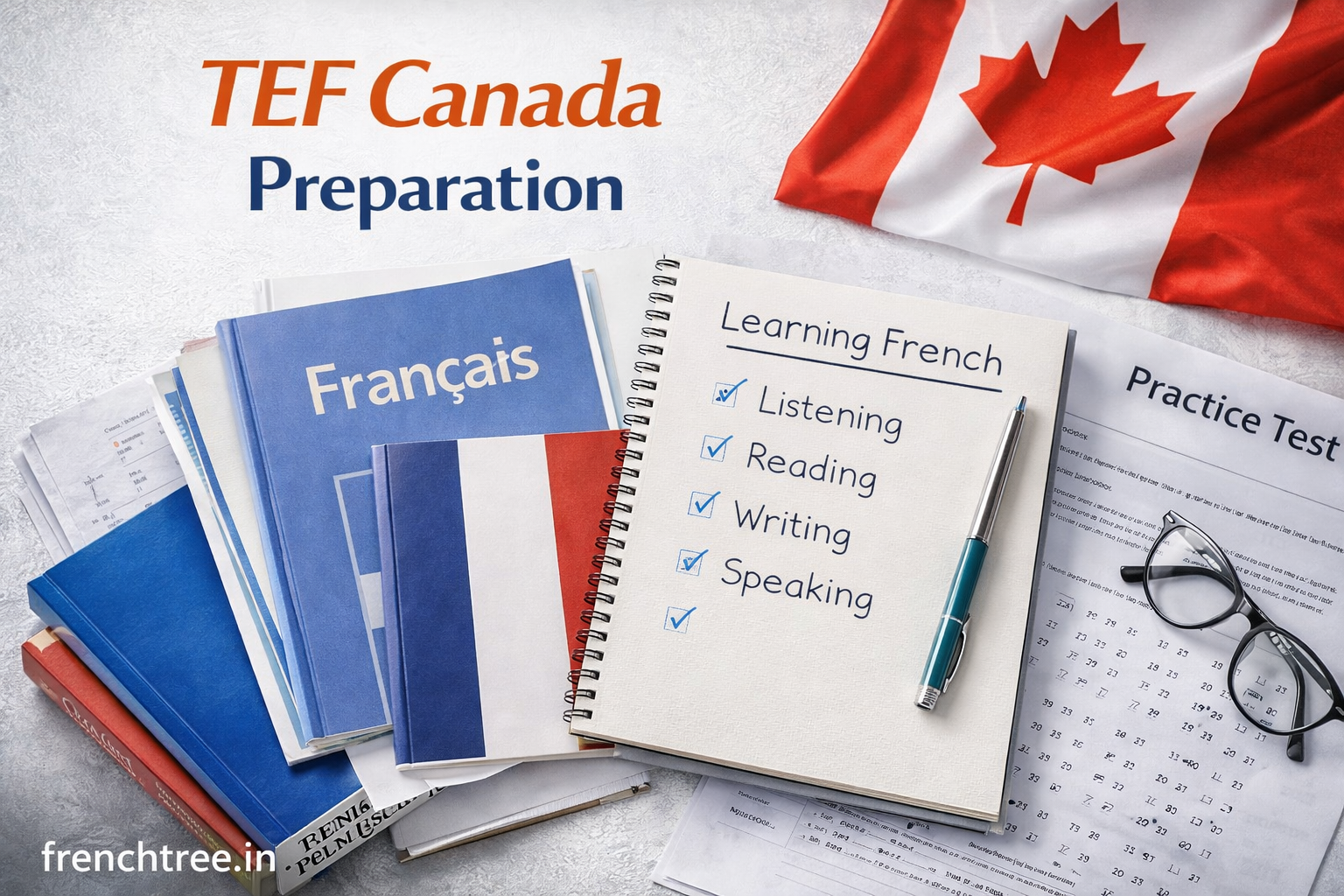
The exam evaluates four major language skills:
1.Listening (Compréhension orale)
2.Reading (Compréhension écrite)
3.Writing (Expression écrite)
4.Speaking (Expression orale)
Each section is designed to assess practical communication ability rather than just theoretical knowledge. Candidates must demonstrate their capacity to understand conversations, read formal texts, write structured responses, and communicate confidently.
Why French Proficiency Matters for Canadian Immigration
Canada actively promotes bilingualism, and applicants with French language skills receive additional CRS points. High scores can:
1.Increase Express Entry ranking
2.Improve Provincial Nomination chances
3.Enhance job opportunities
4.Support faster integration into Canadian society
Even intermediate French proficiency can make a significant difference in your immigration profile.
Effective Preparation Strategy
Preparing for a French proficiency exam requires a structured approach. Random study methods often lead to inconsistent results. Here are proven preparation strategies:
1. Build Strong Grammar Foundations
Understanding verb conjugations, sentence structure, tenses, and gender rules is essential.
2. Improve Vocabulary Daily
Focus on commonly used immigration, workplace, and daily conversation vocabulary.
3. Practice Listening Skills
Listen to French podcasts, news, and conversations to improve comprehension speed.
4. Work on Writing Structure
Practice structured essays, emails, and opinion-based responses.
5. Enhance Speaking Confidence
Regular speaking practice improves pronunciation and fluency.
Common Mistakes to Avoid
Many candidates lose marks due to avoidable mistakes.
1.Ignoring time management
2.Overcomplicating answers
3.Lack of structured responses
4.Poor pronunciation clarity
5.Limited vocabulary usage
Consistent mock tests help identify weaknesses.
Importance of Mock Tests and Practice Papers
Practicing under exam conditions improves performance significantly. Mock tests help candidates:
1.Understand question patterns
2.Manage time effectively
3.Identify weak areas
4.Reduce exam anxiety
5.Simulated practice creates real-test confidence.
Recommended Study Plan (8–12 Weeks)
A disciplined schedule ensures consistent progress.
1.Weeks 1–2: Grammar revision and vocabulary building
2.Weeks 3–4: Listening and reading practice
3.Weeks 5–6: Writing task practice
4.Weeks 7–8: Speaking drills and mock interviews
5.Final Weeks: Full-length mock tests and performance analysis
Regular revision ensures concept retention.
Role of Professional Coaching
While self-study helps, structured coaching accelerates learning. Professional training provides:
1.Expert guidance
2.Updated exam patterns
3.Personalized feedback
4.Structured study material
5.Regular mock evaluations
Certified trainers identify improvement areas quickly and guide candidates efficiently.
Benefits Beyond Immigration
French proficiency is not only useful for PR applications but also enhances career opportunities. Many multinational companies prefer bilingual candidates. Benefits include:
1.Better salary prospects
2.Government job eligibility
3.International mobility
4.Academic opportunities in Canada
5.Learning French opens global career pathways.
Final Tips for Exam Day Success
1.Stay calm and confident
2.Read questions carefully
3.Manage time wisely
4.Avoid last-minute cramming
5.Practice speaking clearly
Confidence combined with preparation leads to success.
Conclusion
For candidates seeking expert training, structured guidance, and result-oriented programs, french classes online for beginners offer comprehensive coaching designed specifically for immigration-focused learners. With experienced trainers, practical speaking sessions, and exam-focused strategies, frenchtree helps students build confidence and achieve their target scores efficiently.
Achieving a high score in Canada’s French proficiency exam requires dedication, strategy, and consistent practice. Structured preparation, regular mock tests, and expert guidance significantly improve performance outcomes. With increasing competition in immigration profiles, French language skills provide a valuable advantage in securing Permanent Residency and career growth opportunities.