Canadian warehouses are increasingly adopting energy-efficient solutions to reduce operating costs, lower emissions, and improve workplace productivity. One of the biggest decisions logistics managers face today is choosing between electric forklifts powered by lithium-ion batteries (Li-ion) and traditional propane forklifts. For businesses with tighter aisles and smaller layouts, selecting the right Propane vs electric forklift cost can make a major difference in efficiency and profitability.
Why Energy Efficiency Matters in Warehouse Operations
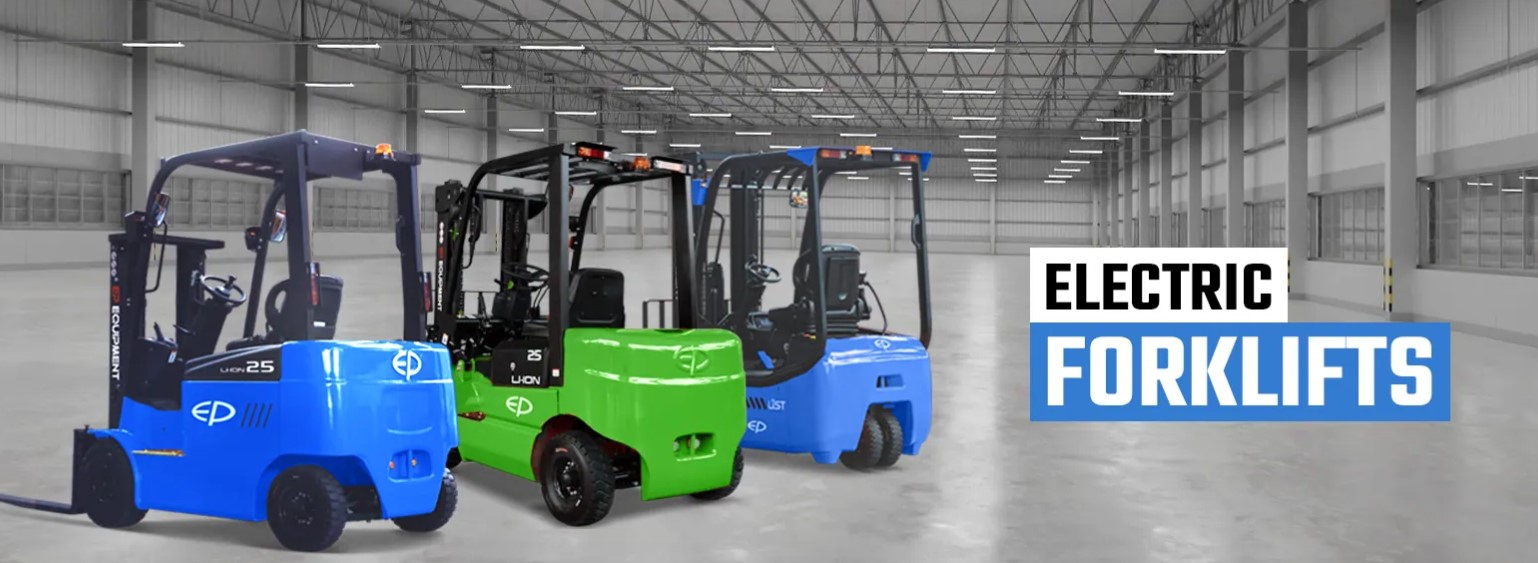
Energy efficiency has become a top priority for warehouses across Canada due to rising energy costs, environmental regulations, and sustainability goals. Inefficient equipment increases operating expenses and may negatively impact fleet performance over time. Electric forklifts, particularly those using advanced Li-ion technology, deliver zero emissions, lower maintenance costs, and quieter operation — making them ideal for indoor environments.
Beyond reduced emissions, energy-efficient forklifts help warehouses:
- Decrease fuel and electricity spending
- Lower total cost of ownership (TCO)
- Improve operator comfort and safety
- Reduce downtime from refueling or battery replacement
Li-ion vs Propane: A Cost Comparison for Canadian Warehouses
Operational Costs
Propane Forklifts
Propane forklifts have long been a staple in warehouse operations due to their fast refueling times and consistent power output. However, the total cost of running propane forklifts includes
- Propane fuel expenses
- Regular engine maintenance
- Emissions-related ventilation needs
- Fuel storage safety compliance
In Canada, propane prices vary by province, but the ongoing cost often surpasses the electricity cost for Li-ion battery charging — especially in high-use facilities.
Li-ion Electric Forklifts
Li-ion forklifts operate on rechargeable lithium-ion batteries that provide consistent power throughout the shift. Li-ion systems cost more upfront, but they deliver significant savings over time because:
- Electricity costs are lower and more stable than propane
- Charging can be scheduled during off-peak utility hours
- Regenerative braking conserves energy
- Reduced mechanical complexity lowers maintenance expenses
Industry data shows Li-ion forklifts can deliver 20–40% lower operational costs compared with propane models in similar applications. That’s largely due to cheaper electricity and fewer service requirements.
Maintenance and Lifespan
Propane forklifts require more frequent maintenance due to internal combustion components like engines, filters, and fuel lines. In contrast, Li-ion electric forklifts have fewer moving parts — meaning:
- Less frequent servicing
- Lower parts cost
- Longer usable life for drivetrain components
Additionally, Li-ion batteries typically last longer than traditional lead-acid batteries and don’t need watering, equalizing, or hazardous handling.
Environmental and Workplace Benefits
Electric forklifts powered by Li-ion batteries deliver zero tailpipe emissions — an advantage in enclosed warehouses where air quality matters. Propane forklifts emit carbon monoxide, hydrocarbons, and particulates, requiring additional ventilation equipment.
- From a workplace perspective, electric forklifts are:
- Quieter
- Smoother in acceleration
- Better for operator comfort
These factors contribute to safer, more productive working environments — especially important in facilities that run multiple shifts.
Choosing the Best Forklift for Small Spaces
For warehouses with narrow aisles, limited maneuvering room, or multi-level racking, a Compact warehouse forklift is essential. Smaller forklifts deliver agility without sacrificing lifting capacity or energy efficiency. When evaluating options, consider:
1. Forklift Size and Turning Radius
Compact models with a reduced chassis and tighter turning radius allow operators to navigate narrow aisles and congested zones more efficiently.
2. Battery Technology
Prioritize electric forklifts with Li-ion battery systems. These batteries support opportunity charging, meaning operators can top up energy during breaks without having to swap heavy batteries.
3. Lifting Capacity and Mast Options
Even compact forklifts should offer sufficient lift height and capacity for your goods. Choose masts that balance height needs with visibility and stability in tight spaces.
4. Charging Infrastructure
Invest in dependable charging stations designed to support Li-ion battery systems. Many modern chargers offer smart charging that extends battery life and optimizes energy use.
5. Manufacturer Support and Warranty
Choose suppliers offering strong after-sales support, parts availability, and warranty coverage. Canadian climate variations (especially cold winters) can influence forklift performance, making reliable support critical.
Top Compact Warehouse Forklift Recommendations for Canadian Facilities
While specific models vary by warehouse needs, here are key forklift types worth considering:
Li-ion Powered Electric Forklifts
These are ideal for indoor use, with lower costs and fewer emissions than propane. Common choices include:
- Stand-up counterbalance trucks
- Three-wheel electric forklifts
- Narrow-aisle order pickers
- Propane Forklifts
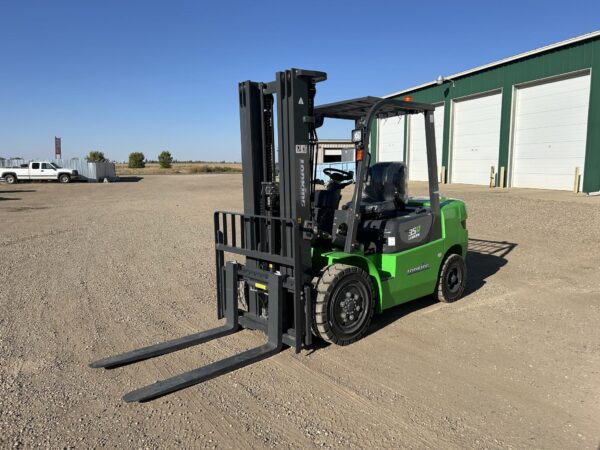
Still a viable option for facilities without electrical infrastructure, propane forklifts perform well in heavy-duty, outdoor, or mixed indoor/outdoor settings.
For most small Canadian warehouses focused on sustainability and cost savings, Li-ion electric forklifts — especially compact models — deliver unmatched value.
Final Thoughts
Investing in an energy-efficient compact warehouse forklift powered by Li-ion batteries is a smart long-term strategy for Canadian warehouses. Compared with propane, Li-ion forklifts offer:
- Lower energy and maintenance costs
- Better indoor air quality
- Quieter, safer operation
- Ideal performance in tight spaces
Whether you’re modernizing your fleet or establishing a new facility, prioritizing energy efficiency and space optimization will pay dividends in productivity and profitability.