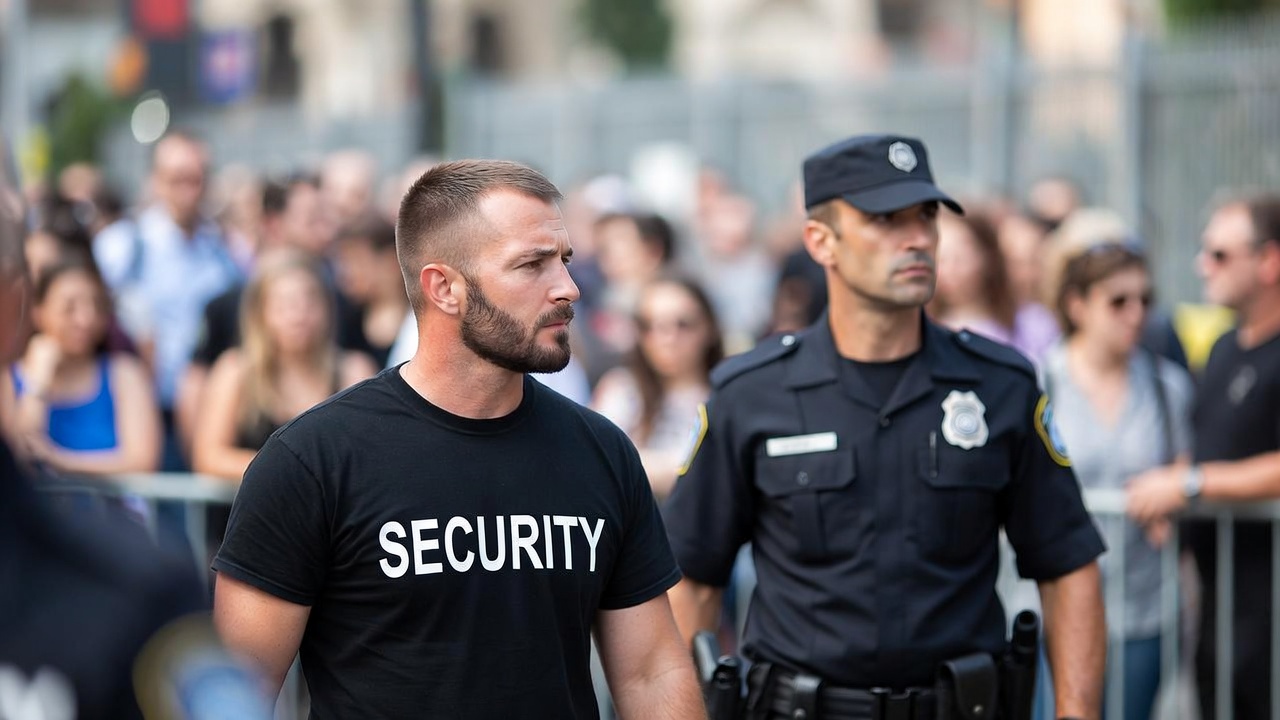
Organizing a successful event requires more than entertainment, logistics, and marketing. Whether it’s a music festival, corporate gathering, sporting event, or community celebration, ensuring the safety of attendees is a top priority. Effective crowd control and emergency preparedness are essential components of professional event security. Together, they create a secure environment where guests can enjoy the event without fear or disruption.
Understanding Crowd Control in Event Security
Crowd control involves managing the movement, behavior, and safety of large groups of people. At events, overcrowding, bottlenecks, and poor planning can quickly escalate into dangerous situations. Trained event security guards play a key role in preventing such risks by maintaining order and guiding attendees efficiently.
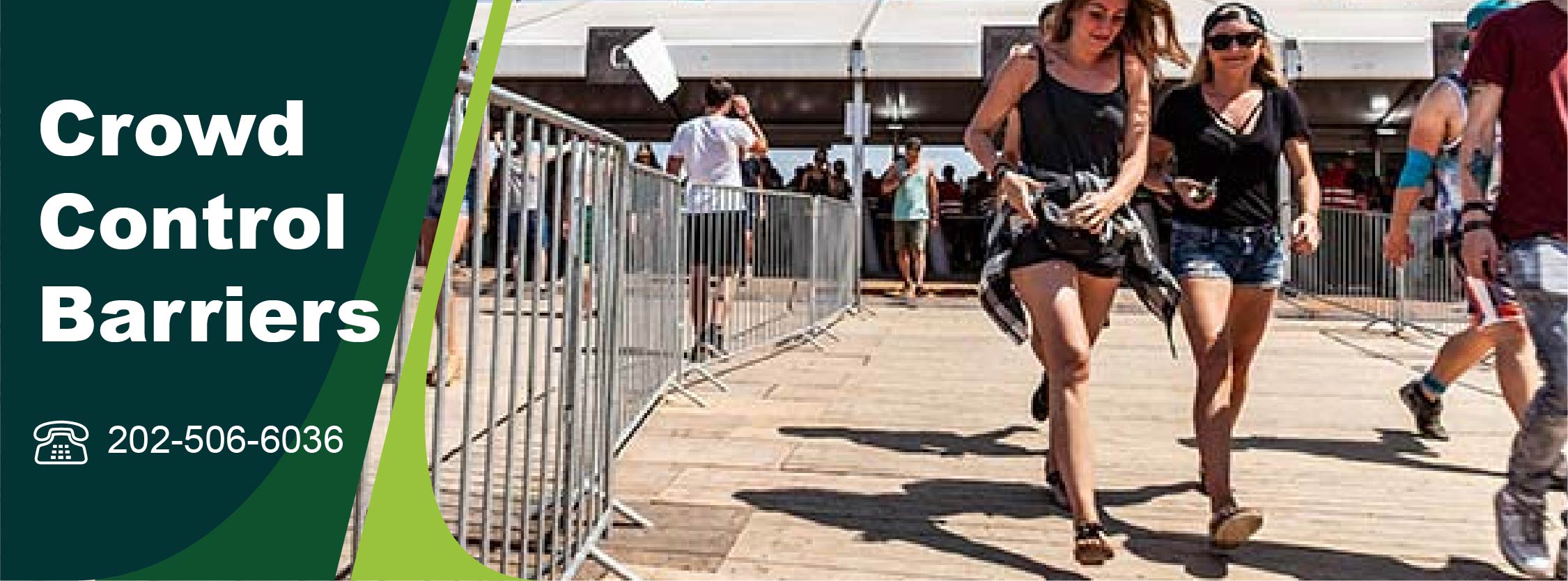
Proper crowd control begins with strategic planning. Security teams conduct site assessments to identify entry and exit points, emergency routes, and high-traffic areas. They design crowd flow patterns to prevent congestion and ensure smooth movement throughout the venue. Barriers, signage, and controlled access points are used to regulate entry and minimize confusion.
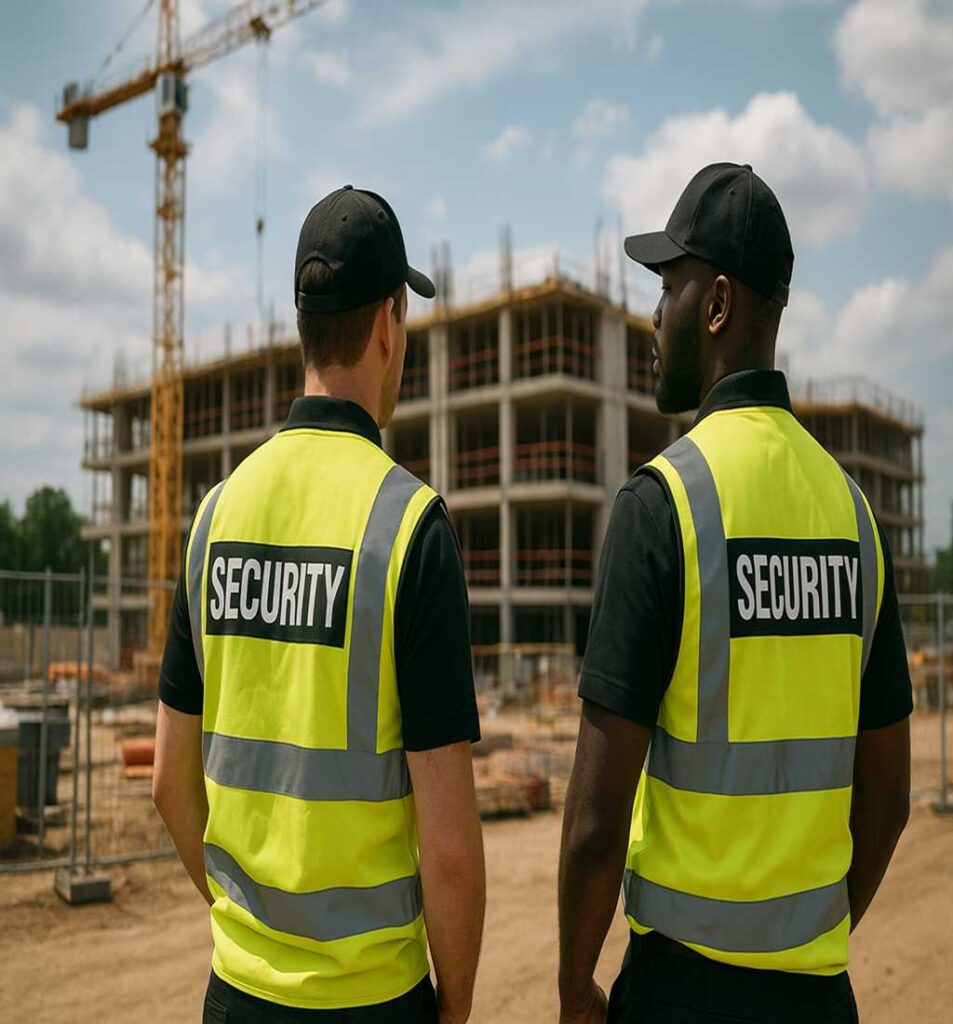
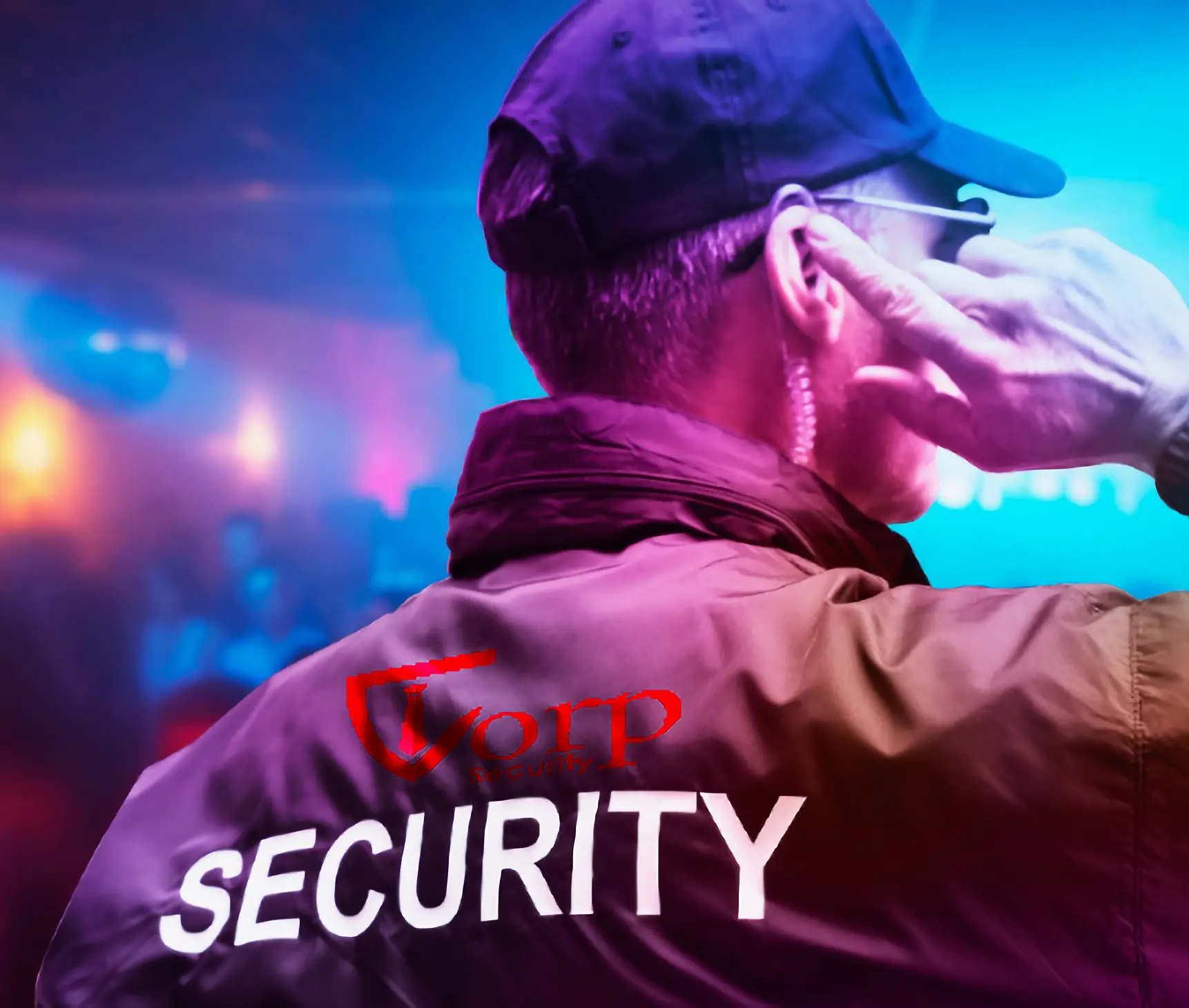
Security personnel are strategically stationed at critical areas such as entrances, stages, VIP sections, and emergency exits. Their visible presence deters unruly behavior and reassures attendees. In addition, guards are trained to recognize early signs of agitation or conflict within a crowd, allowing them to intervene before situations escalate.
The Importance of Emergency Preparedness
While crowd control focuses on prevention, emergency preparedness ensures a swift and organized response when unexpected incidents occur. Emergencies at events can range from medical issues and fire outbreaks to severe weather conditions or security threats. Being prepared can make the difference between a minor disruption and a major crisis.
Professional event security teams develop comprehensive emergency response plans tailored to each event. These plans outline procedures for evacuation, communication protocols, coordination with emergency services, and roles and responsibilities of security staff.
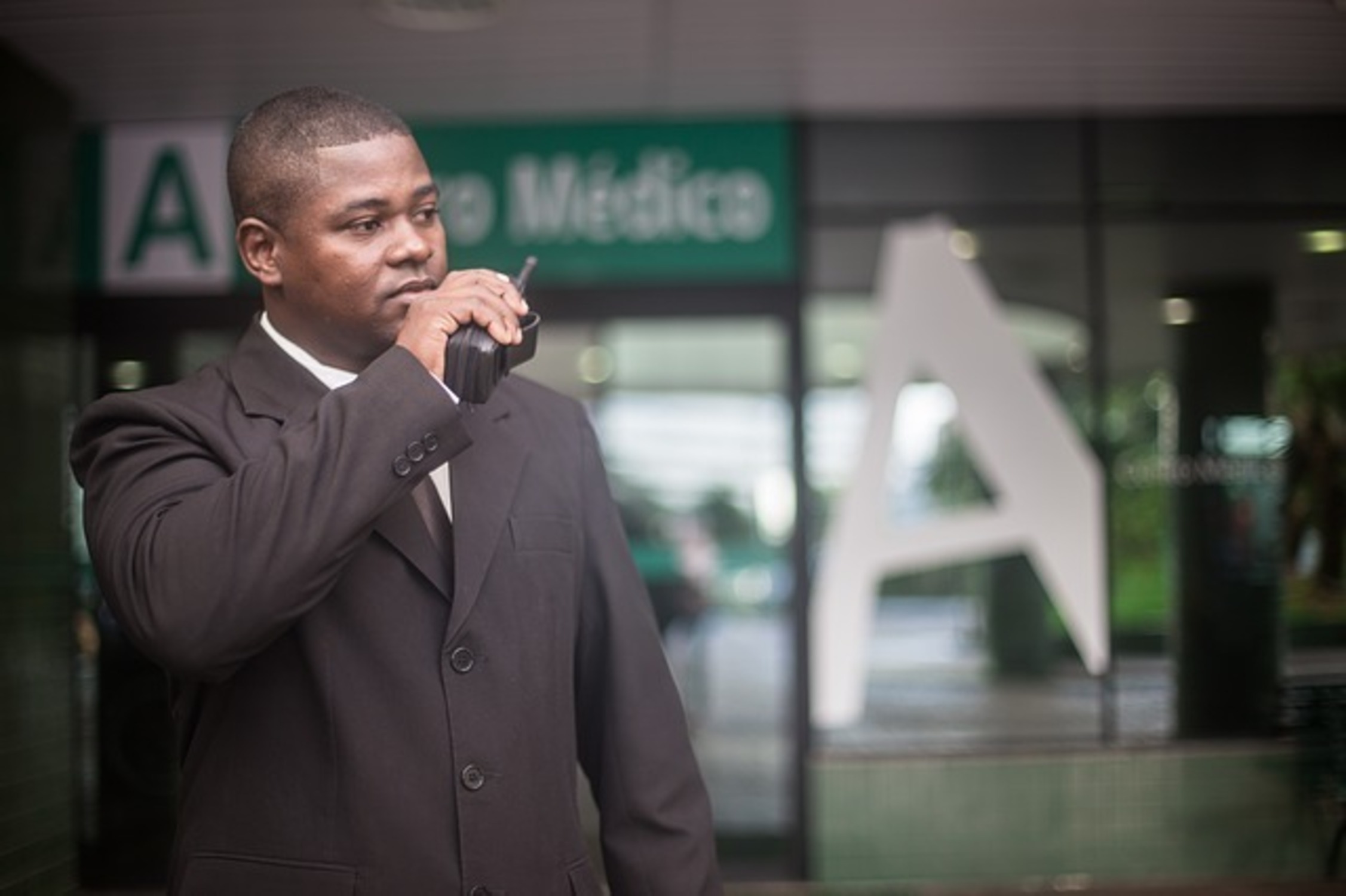
Clear communication is crucial during emergencies. Security teams use radios and other communication tools to relay information instantly. Public address systems may be used to guide attendees calmly and clearly, reducing panic and confusion.
Regular drills and training sessions ensure that security guards are well-versed in emergency procedures. From first aid and CPR to fire safety and crowd evacuation techniques, their preparedness enhances overall event safety.
Coordinating with Authorities and Event Organizers
Effective crowd control and emergency response require collaboration. Event security teams work closely with event organizers, local authorities, medical teams, and fire services. This coordination ensures a unified response in case of an emergency.
Before the event, risk assessments are conducted to identify potential hazards. Contingency plans are developed to address various scenarios. During the event, security teams maintain open communication with stakeholders, monitoring conditions and adjusting strategies as needed.
Technology in Crowd Management and Emergency Response
Modern technology plays a significant role in enhancing event security. CCTV surveillance systems help monitor crowd behavior in real time, allowing security teams to detect and address issues promptly. Access control systems manage entry points, while digital ticketing reduces the risk of overcrowding.
In some large-scale events, crowd density monitoring tools and mobile communication apps are used to track movement patterns and improve response times. These technological advancements support security personnel in maintaining control and ensuring attendee safety.
Creating a Safe and Positive Experience
Ultimately, effective crowd control and emergency preparedness are about more than preventing incidents—they are about creating a safe and enjoyable environment. When attendees feel secure, they are more likely to relax and fully engage with the event.
Professional event security teams combine proactive planning, skilled personnel, and modern technology to manage crowds efficiently and respond to emergencies confidently. By prioritizing safety at every stage of the event, organizers not only protect their guests but also enhance their reputation and build trust for future events.
In today’s dynamic event landscape, crowd control and emergency preparedness are not optional—they are essential pillars of successful event security.