






Large-scale commercial construction projects require significant capital, long timelines, and careful financial planning. Rising construction costs, stricter energy codes, and investor expectations around sustainability have made funding these projects more complex than ever. Through C pace in Nevada, developers and property owners are increasingly using PACE loans as a strategic tool to finance commercial projects while integrating long-term efficiency and sustainability from the ground up. For projects focused on performance and durability, PACE loans for commercial construction are proving to be a powerful solution.
Why Financing Large-Scale Commercial Construction Is Challenging
Commercial construction projects—such as office campuses, hotels, industrial facilities, and mixed-use developments—face unique financial pressures.
- Common challenges include:
- High upfront capital requirements
- Rising material and labor costs
- Tighter lending conditions and higher interest rates
- Energy code compliance and sustainability mandates
- Pressure to deliver long-term operating efficiency
Traditional construction loans often prioritize speed and short-term returns, leaving limited room for energy-efficient or performance-driven upgrades.
What Are PACE Loans and How Do They Work for Construction Projects?
PACE (Property Assessed Clean Energy) loans are designed to finance qualifying energy efficiency, renewable energy, water conservation, and resilience improvements. Repayment is made through a voluntary property tax assessment rather than conventional loan payments.
Key features of PACE loans include:
- Up to 100% financing for eligible improvements
- Long repayment terms (typically 20–30 years)
- Fixed interest rates
- Repayment obligation tied to the property, not the developer
- Often non-recourse, reducing balance-sheet risk
For large-scale construction, PACE financing is typically layered alongside senior construction debt rather than replacing it.
How PACE Loans Fit Into Commercial Construction Capital Stacks
PACE loans are commonly used as a complementary financing layer within a broader capital stack.
In construction projects, PACE can:
- Fund energy-related scopes separately from core construction costs
- Reduce the size of traditional loans or equity contributions
- Improve project feasibility without increasing financial risk
- Preserve developer liquidity during construction
By isolating performance-related upgrades, PACE improves overall capital efficiency.
Eligible Improvements for New Commercial Construction
PACE loans are specifically focused on improvements that enhance building performance and long-term value.
Common PACE-funded construction upgrades include:
- High-efficiency HVAC and mechanical systems
- Building automation and energy management systems
- High-performance building envelope components
- Solar photovoltaic (PV) and renewable energy systems
- Water efficiency and conservation technologies
- Electrical infrastructure supporting efficiency or electrification
These upgrades are often difficult to justify under traditional financing but become achievable with PACE.
Lower Long-Term Operating Costs From Day One
One of the biggest advantages of using PACE loans in commercial construction is the ability to lock in lower operating costs from the moment the building is occupied.
Financial benefits include:
- Reduced energy and water consumption
- Lower maintenance and repair expenses
- Improved net operating income (NOI)
- Protection against rising utility costs
Because repayment is spread over decades, annual PACE assessments are often offset by operational savings.
Why PACE Loans Are Ideal for Nevada Construction Projects
Nevada’s climate, growth patterns, and commercial development trends make PACE particularly well-suited for new construction.
PACE helps Nevada developers:
- Reduce cooling-related energy costs in hot climates
- Meet or exceed evolving energy codes
- Deliver resilient, future-ready buildings
- Improve project competitiveness in growing markets
- Attract sustainability-focused tenants and investors
High-efficiency systems funded through PACE are especially valuable in energy-intensive Nevada properties.
Risk Management and Long-Term Value Creation
Large commercial construction projects carry long-term operational and financial risk. PACE loans help mitigate this risk by funding durable, efficient systems upfront.
Risk-reduction benefits include:
- Fewer system failures and unplanned repairs
- Improved building reliability and uptime
- Lower exposure to future retrofit requirements
- Stronger asset performance over time
Because PACE obligations transfer with the property, developers also maintain flexibility when selling or refinancing.
Supporting ESG and Sustainability Goals
Environmental, Social, and Governance (ESG) considerations are now central to commercial development decisions. PACE financing aligns naturally with these priorities.
PACE-funded construction supports ESG by:
Reducing carbon emissions
Lowering energy and water usage
Improving indoor environmental quality
Enhancing sustainability reporting and certifications
Green, high-performance buildings are increasingly favored by institutional investors and corporate tenants.
Which Construction Projects Benefit Most From PACE Loans?
PACE loans are particularly effective for:
- Large office and mixed-use developments
- Hospitality and resort construction
- Industrial and logistics facilities
- Healthcare and institutional buildings
- Retail centers with long-term ownership plans
Projects with significant energy demand or long hold periods benefit most from PACE financing.
Building Smarter With C-PACE in Nevada
Financing large-scale commercial construction requires solutions that balance upfront feasibility with long-term performance. By funding energy efficiency, renewable energy, and resilience upgrades over extended terms, C pace in Nevada enables developers to finance commercial projects more strategically. As a result, PACE loans for commercial construction are helping deliver buildings that cost less to operate, perform better over time, and remain competitive in a rapidly evolving market.



At Pace University New York, we offer a comprehensive selection of online undergraduate degree programs to help our students take the next step toward career flexibility and higher earning potential by gaining practical skills and knowledge.
Graduates of our 100% online associate and bachelor’s degrees earn the same reputable diploma on-campus students receive and that employers recognize and respect.
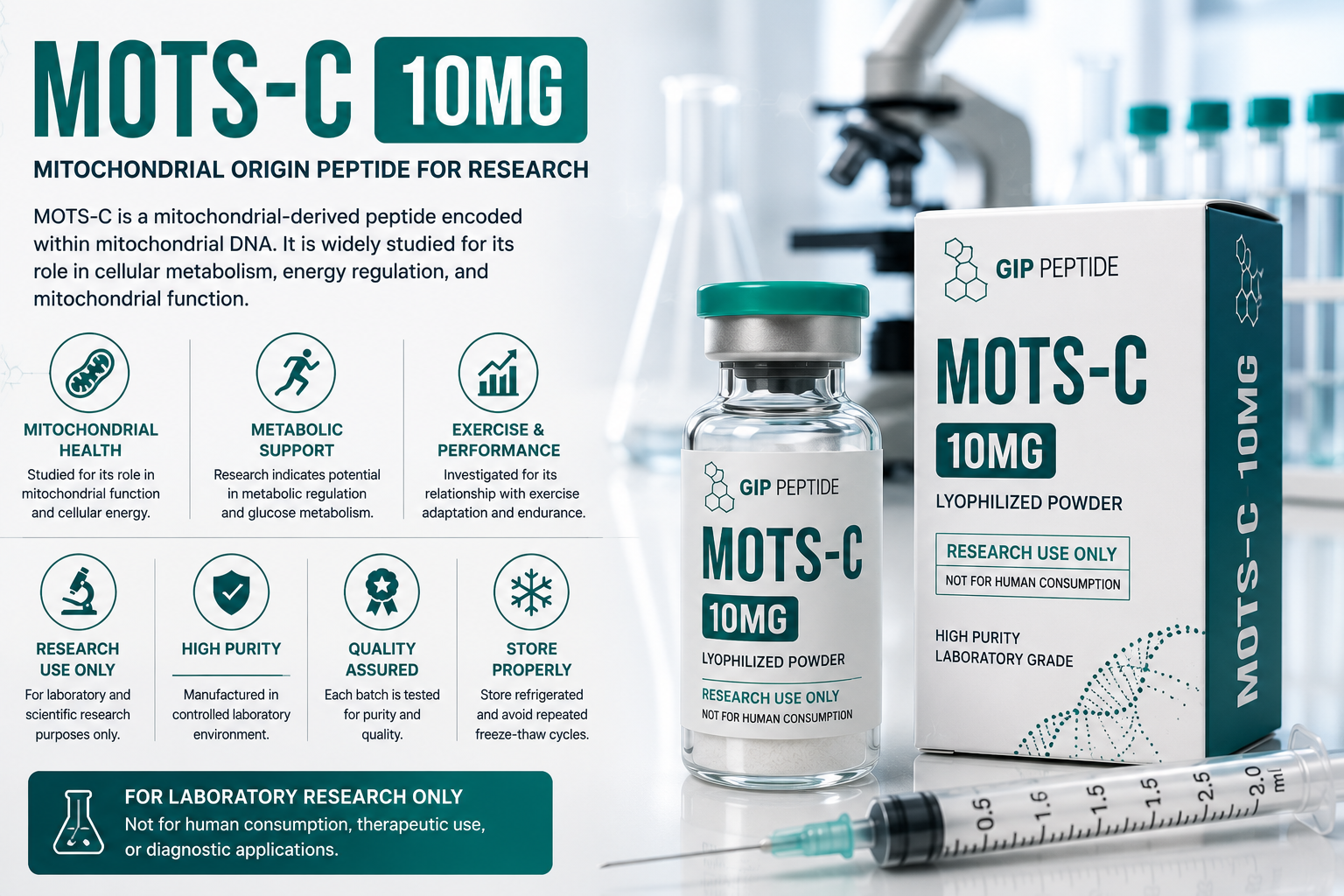
MOTS-C 10mg peptide has emerged as a notable subject in modern peptide research be