


In personal care and industrial formulations, ingredient selection directly impacts product stability, appearance, and performance. One ingredient widely used for visual enhancement and texture improvement is EGMS. Also known as Ethylene Glycol Mono Stearate, this multifunctional compound is commonly used in shampoos, body washes, creams, and liquid detergents.
However, selecting the correct grade of EGMS is critical. Different applications require specific purity levels, melting characteristics, and processing behavior. Understanding these factors helps manufacturers achieve consistent and high-quality results.
Understanding EGMS and Its Functional Role
EGMS is an ester derived from ethylene glycol and stearic acid. It primarily functions as a pearlizing and opacifying agent in liquid formulations. When properly incorporated into surfactant systems, Ethylene Glycol Mono Stearate forms fine crystalline structures that reflect light. This produces a smooth, pearlescent appearance in products such as shampoos and body cleansers.
Beyond aesthetics, EGMS also supports mild viscosity building and improves overall texture. It enhances the sensory profile of liquid products by contributing to a richer and more premium feel.
Because it offers both functional and visual benefits, Ethylene Glycol Mono Stearate is widely used in the manufacturing of cosmetics and household products.
Different Grades of Ethylene Glycol Mono Stearate
Not all EGMS grades are identical. Variations in composition and processing influence performance in final formulations. Manufacturers typically evaluate the following parameters:
Purity and Monoester Content
Higher monoester content generally ensures better pearlizing efficiency. A well-defined composition helps achieve consistent crystal formation during cooling.
Melting Point
The melting range of Ethylene Glycol Mono Stearate affects processing temperature requirements. Selecting a grade with an appropriate melting profile ensures smoother integration into surfactant bases.
Appearance and Flake Quality
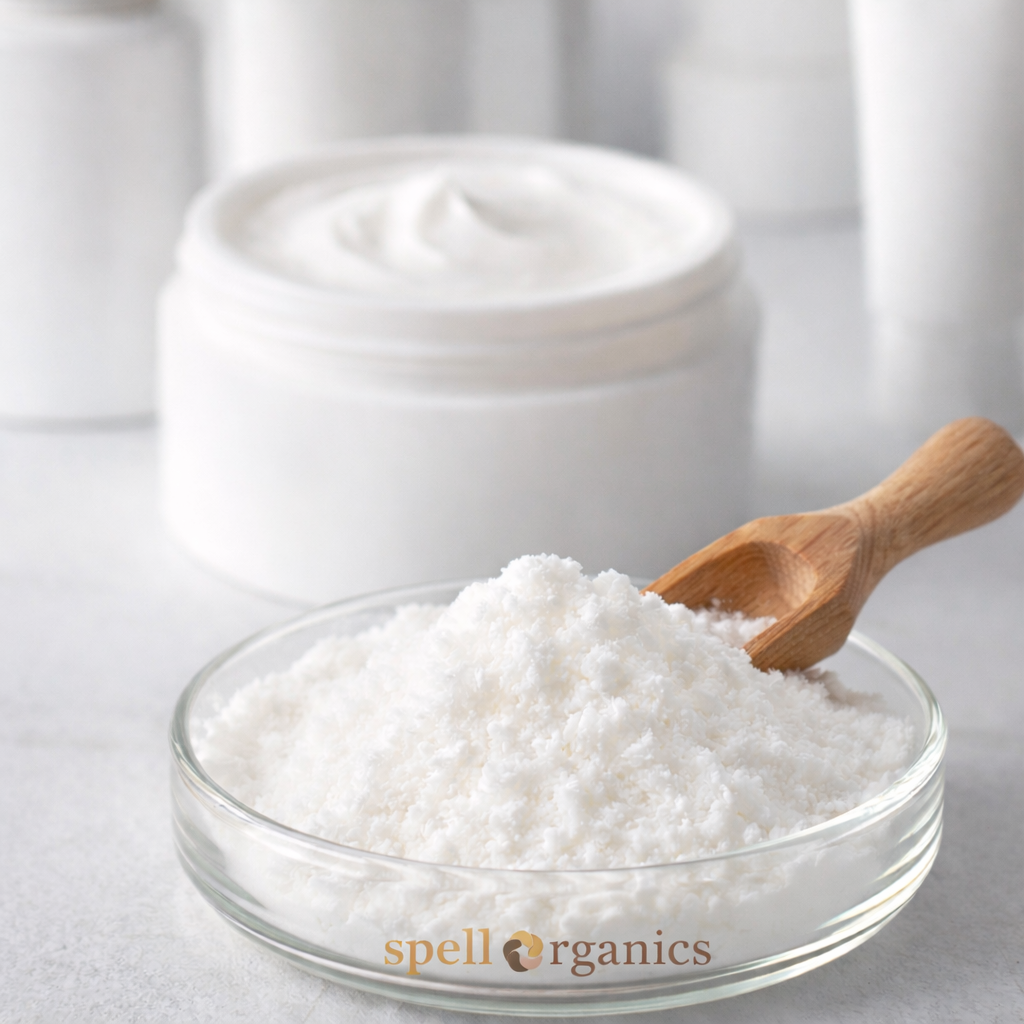
EGMS is often supplied in flake or powder form. Uniform particle size improves dissolution and dispersion during heating stages.
Stability in Surfactant Systems
Certain grades perform better in specific surfactant blends. Compatibility testing is essential to maintain clarity, stability, and long-term appearance.
Choosing the right grade ensures predictable crystallization and reduces formulation adjustments during scale-up.
Application-Based Selection Criteria
Different industries require different performance characteristics from EGMS.
Personal Care Formulations
In shampoos and body washes, Ethylene Glycol Mono Stearate must provide a bright pearl effect while maintaining product flow. A grade optimized for cosmetic use ensures stable dispersion and controlled viscosity.
Creams and Lotions
For semi-solid systems, EGMS contributes mild structuring properties. Selecting a grade compatible with emulsifier systems helps maintain smooth texture without destabilizing the emulsion.
Household Liquid Products
In detergents and liquid cleaners, Ethylene Glycol Mono Stearate is used primarily for opacity and visual enhancement. Stability under varying storage temperatures becomes an important factor.
Matching the grade to the intended application improves both manufacturing efficiency and product performance.
Processing Considerations for Optimal Results
Proper handling of EGMS is just as important as selecting the correct grade. Ethylene Glycol Mono Stearate typically requires heating to dissolve completely within the surfactant system. Controlled cooling is essential to allow uniform crystal formation.
Rapid or uneven cooling may lead to inconsistent pearl distribution. Maintaining recommended processing temperatures ensures stable light reflection and prevents unwanted sedimentation.
Manufacturers should also monitor agitation speed and cooling rates during production to maintain batch consistency.
Quality and Compliance Factors
When sourcing EGMS, manufacturers should review technical specifications, safety documentation, and regulatory compliance details. Ethylene Glycol Mono Stearate used in cosmetic formulations must meet applicable regional standards.
Reliable suppliers provide clear data on acid value, saponification value, and purity levels. These parameters directly influence performance and long-term stability.
Consistent quality assurance supports large-scale manufacturing and minimizes reformulation risks.
Conclusion
Selecting the right grade of EGMS is a strategic decision that affects product appearance, texture, and manufacturing efficiency. Ethylene Glycol Mono Stearate offers reliable pearlizing, opacifying, and mild structuring properties, making it a valuable ingredient across multiple industries.
By evaluating purity, melting behavior, compatibility, and processing requirements, manufacturers can optimize formulation performance and maintain consistent product quality. Careful selection ensures that EGMS delivers both functional and aesthetic benefits in modern formulations.