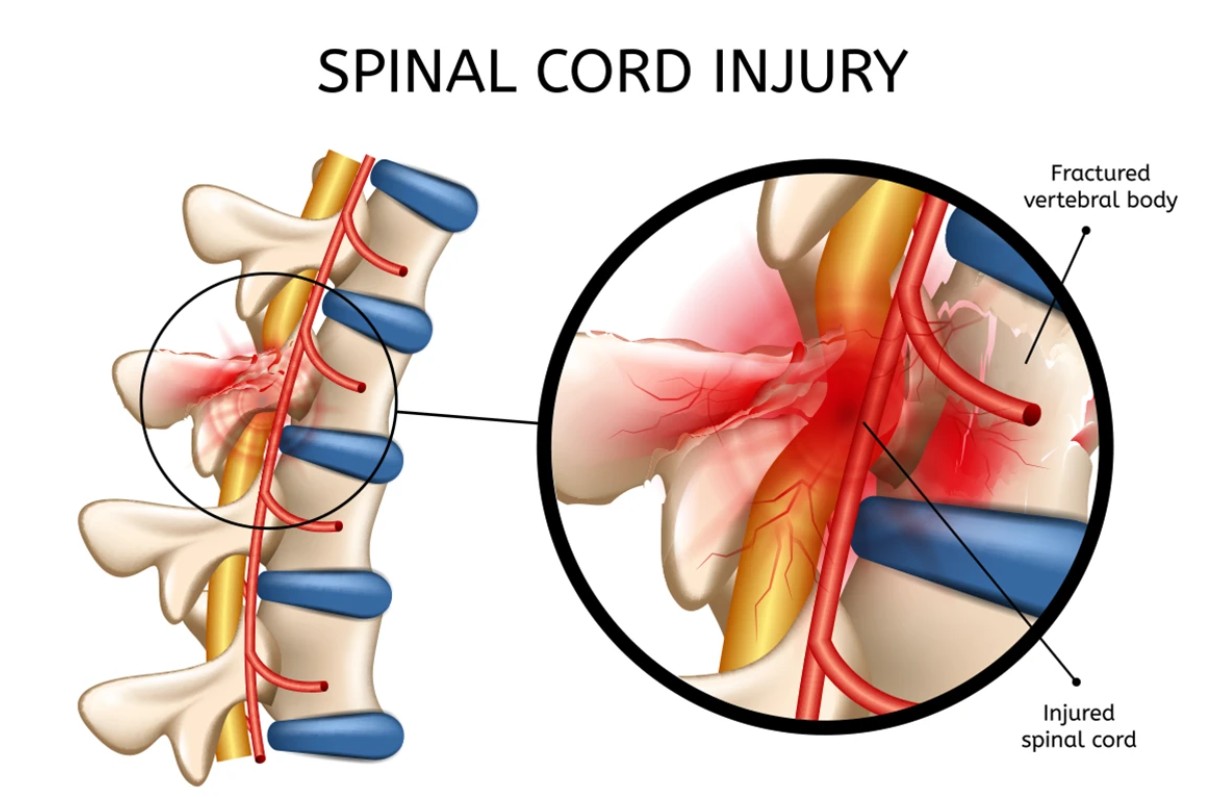
A spinal cord injury (SCI) is a life-altering condition that can result in partial or complete loss of movement, sensation, and autonomic functions below the level of injury. Traditionally, treatment has focused on stabilization, rehabilitation, and symptom management. However, stem cell therapy for spinal cord injury has emerged as a promising regenerative approach aimed at repairing damaged neural tissue and improving neurological outcomes.
Understanding Spinal Cord Injury
The spinal cord is a vital communication pathway between the brain and the rest of the body. Injury can occur due to:
- Road traffic accidents
- Falls or sports injuries
- Violence (gunshot or stab wounds)
- Medical conditions such as tumors or infections
SCI is broadly classified into:
Complete injury: Total loss of motor and sensory function below the injury level
Incomplete injury: Partial preservation of movement or sensation
What Is Stem Cell Therapy?
Stem cells are unique cells capable of self-renewal and differentiation into specialized cell types, including nerve cells. In the context of spinal cord injury, stem cell therapy aims to:
- Replace damaged or dead neurons
- Reduce inflammation and secondary injury
- Promote nerve regeneration and reconnection
- Support the healing environment through growth factors
Types of Stem Cells Used for SCI
Several types of stem cells are being studied and used under controlled clinical protocols:
Mesenchymal Stem Cells (MSCs)
Commonly derived from bone marrow, adipose tissue, or umbilical cord tissue. They are known for their anti-inflammatory and regenerative properties.
Neural Stem Cells (NSCs)
Specifically target neural repair and can differentiate into neurons and glial cells.
Induced Pluripotent Stem Cells (iPSCs)
Adult cells reprogrammed to behave like embryonic stem cells, offering high regenerative potential (primarily in research and trials).
How Stem Cell Therapy Works for Spinal Cord Injury
Patient Evaluation
Detailed neurological assessment, MRI imaging, and functional scoring are performed.
Stem Cell Harvesting & Processing
Cells are collected from the patient or donor source and processed in a laboratory.
Administration
Stem cells may be delivered via:
- Intrathecal (into spinal fluid)
- Intravenous
- Direct spinal injection (in selected cases)
Rehabilitation Support
Physical therapy and neuro-rehabilitation play a critical role in maximizing results.
Potential Benefits of Stem Cell Therapy in SCI
While outcomes vary depending on injury severity, duration, and patient health, reported benefits may include:
Improved muscle strength and coordination
Partial recovery of sensation
Better bladder and bowel control
Reduced muscle spasticity
Enhanced quality of life and independence
It is important to note that stem cell therapy is not an instant cure, but a regenerative process that may show gradual improvements over months.
Safety and Effectiveness
When performed in accredited medical facilities following ethical and regulatory standards, stem cell therapy is generally considered safe. Possible mild side effects include temporary pain, fever, or headache. Ongoing clinical trials continue to refine protocols and establish long-term efficacy.
Who May Be a Candidate?
Stem cell therapy may be considered for:
Patients with chronic or sub-acute spinal cord injury
Individuals who have plateaued with conventional rehabilitation
Patients medically fit for regenerative procedures
A thorough medical evaluation is essential to determine suitability.
The Future of Stem Cell Therapy for Spinal Cord Injury
Advancements in regenerative medicine, bioengineering, and rehabilitation science continue to improve outcomes for spinal cord injury patients. Ongoing research combining stem cells with neuroprosthetics, growth factors, and advanced physiotherapy holds significant promise for the future.
Conclusion
Spinal cord injury stem cell therapy represents a hopeful and evolving treatment option for patients seeking functional recovery beyond conventional care. While results vary and research is ongoing, stem cell therapy offers new possibilities for nerve repair, improved function, and enhanced quality of life.




Spinal cord injury results in dysfunction in the overall body and requires Physiotherapy Treatment.
Learn more about various Spinal injuries.
Read more: https://painfreephysiotherapy.com/how-spinal-cord-injuries-affect-the-body/Spinal Cord Injury