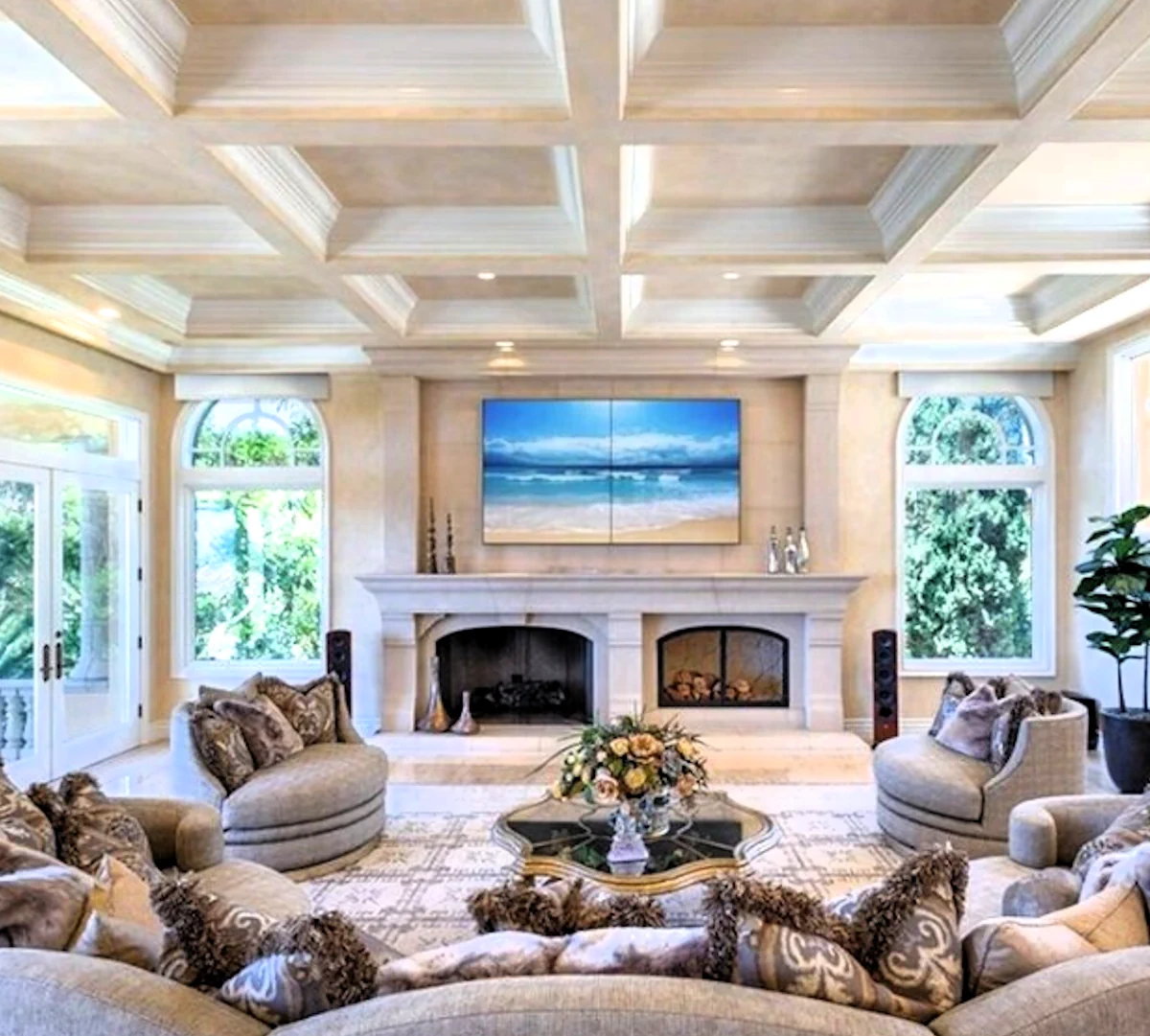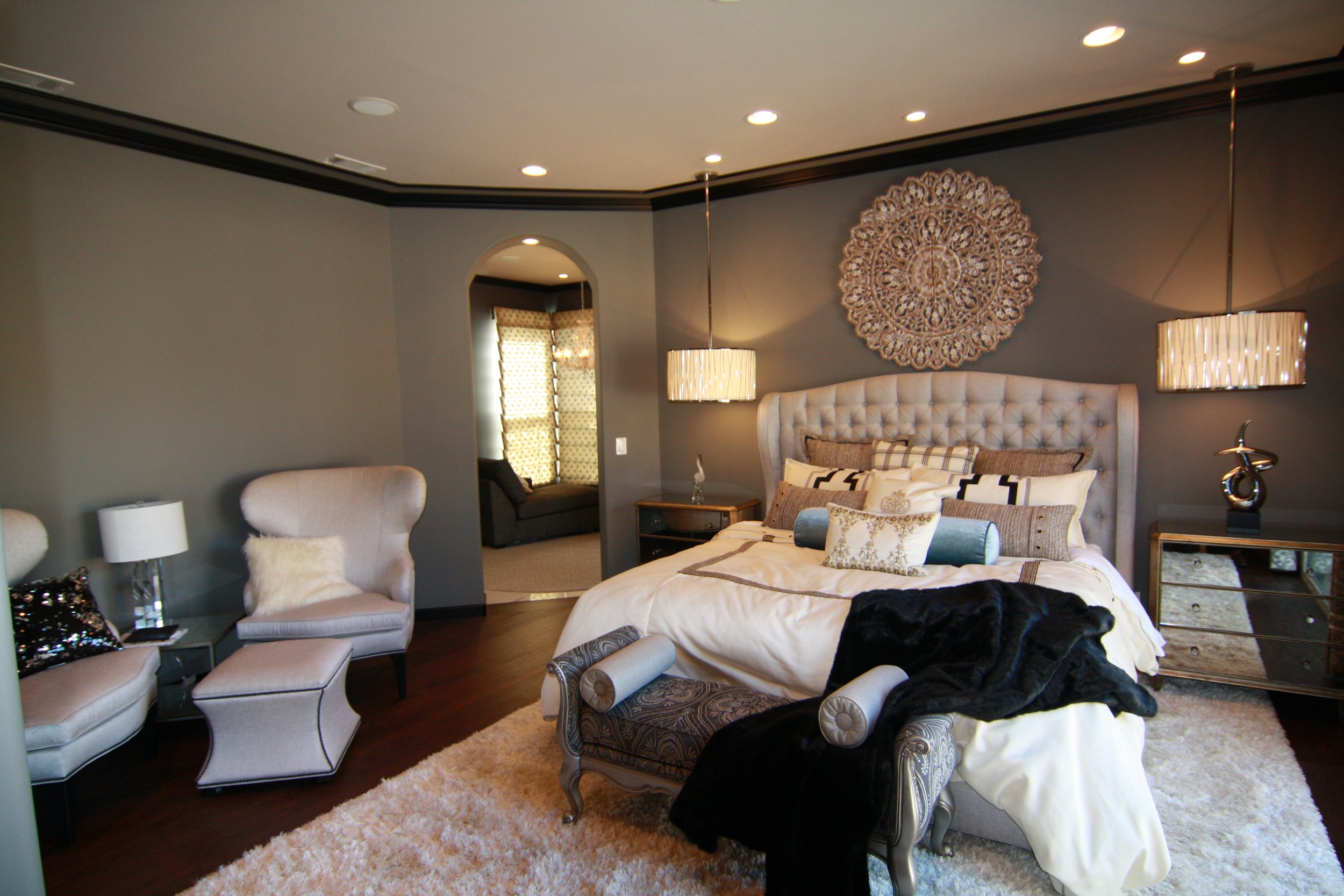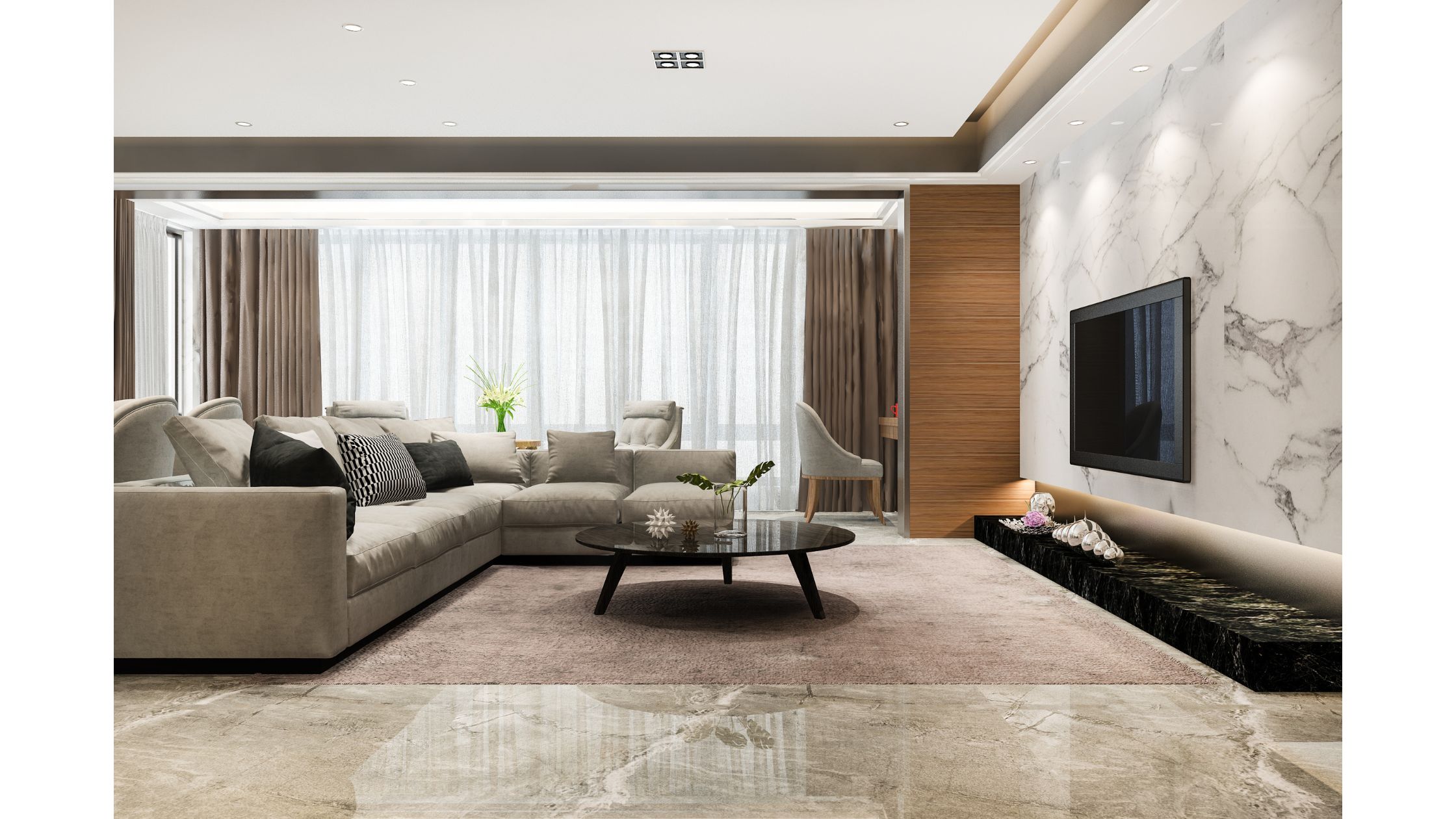


In Southern California, light isn’t just a backdrop; it’s the main character. With more than 280 sunny days a year in many coastal and inland regions, natural illumination shapes how homes feel, function, and age over time. Yet many homeowners underestimate how profoundly daylight influences comfort, color perception, energy use, and even mood. The result? Spaces that look stunning in photos but fall flat in real life, too bright at noon, too dim at dusk, or washed out by glare.
This is where interior design Southern California principles step in. Designers in this region don’t treat light as an afterthought; they choreograph it. From orientation and window placement to reflective materials and layered lighting, every decision works with the sun rather than against it. Let’s explore why light matters so much in Southern California interiors, and how you can harness it to create a home that truly shines.
The Southern California Light Advantage:
Southern California’s latitude and coastal climate produce a unique quality of light: bright yet soft, consistent yet dynamic throughout the day. Unlike harsher desert sun or overcast northern skies, SoCal light carries a warm, golden tone that enhances textures and natural materials.
For interior design Southern California homes, this means:
● Color appears warmer and truer under abundant daylight
● Shadows create depth across plaster, wood, and stone surfaces
● Spaces feel larger due to high luminance and outdoor connection
Designers often say, “If you get the light right, everything else follows.” It’s not just poetic—it’s practical. When natural light is optimized, interiors require less artificial lighting, improving energy efficiency and visual comfort.
Orientation: Designing With the Sun’s Path:
One of the most technical yet overlooked aspects of interior design in Southern California is solar orientation. The direction your home faces determines how light enters throughout the day.
● South-facing rooms receive consistent daylight, ideal for living areas.
● West-facing spaces capture dramatic sunsets but risk glare and heat.
● North-facing rooms offer soft, even illumination, perfect for studios.
● East-facing areas enjoy gentle morning light.
A well-designed Southern California interior balances these exposures. For example, designers may place social spaces along the south or west to embrace brightness while using shading, sheer drapery, or overhangs to tame intensity. Bedrooms often sit eastward to welcome morning sun without afternoon heat. In short, orientation is the compass guiding interior design Southern California strategies.
Indoor–Outdoor Flow: Light as a Connector:
If Southern California homes have a signature move, it’s the seamless indoor–outdoor transition. Large sliding doors, clerestory windows, and open-plan layouts allow daylight to travel deep into interiors.
This isn’t just aesthetic, it’s psychological. Studies consistently show that daylight and outdoor views improve mood, focus, and well-being. In Southern California, where patios, courtyards, and gardens are extensions of living space, light becomes the bridge between environments.
Design techniques that amplify this connection include:
● Continuous flooring from inside to outside.
● Light-colored ceilings that reflect daylight inward.
● Minimal window mullions to maximize glass area.
● Reflective surfaces near openings.
The result is a home that feels airy and expansive, like the outdoors has been invited in for coffee.
Material Choices That Shape Light:
In interior design in Southern California, materials are chosen as much for how they interact with light as for their appearance. The region’s signature finishes—limewash, natural oak, travertine, rattan—scatter and soften sunlight rather than reflect it harshly.
Here’s how materials influence illumination:
● Matte plaster and limewash diffuse glare.
● Light woods warm up the brightness.
● Stone surfaces create a shadow texture.
● Sheer fabrics filter intense sun.
Designers often layer these materials to create what’s called “luminous depth”—spaces that glow rather than glare. It’s the difference between a room that feels sunlit and one that feels sunstruck.
Managing Glare and Heat Without Losing Light:
Too much of a good thing can become a problem. Southern California’s abundant sun brings challenges: overheating, fading finishes, and eye strain from glare. Skilled interior design Southern California solutions balance brightness with control.
Common strategies include:
● UV-filtering window films.
● Exterior shading or pergolas.
● Light-diffusing window treatments.
● Deep window reveals or overhangs.
● Strategic landscaping for shade.
These techniques preserve daylight while moderating its intensity. Think of them as sunglasses for your home, reducing harshness without blocking the view.
Layered Lighting for Day-to-Night Harmony:
Even in sunny Southern California, daylight fades. That’s why interior design in Southern California emphasizes layered artificial lighting that complements natural illumination rather than competing with it.
A balanced scheme typically includes:
● Ambient lighting for overall brightness
● Task lighting for function (kitchens, desks)
● Accent lighting to highlight textures or art
Designers match color temperature to daylight, usually warm white (2700–3000K), to maintain continuity from day to night. When done right, the transition feels seamless, like sunset easing into evening rather than a sudden switch.
The Emotional Impact of Light in SoCal Homes:
Light shapes not just visibility but emotion. Southern California interiors aim to capture a sense of ease, openness, and calm; the region’s laid-back lifestyle is translated into space.
Bright, airy rooms evoke freedom and possibility. Soft evening glow creates intimacy. Sunlit textures add warmth and authenticity. In many ways, light becomes the storyteller of the home’s atmosphere. This emotional dimension explains why interior design in Southern California places such emphasis on daylight: it’s the quickest route to spaces that feel alive.
Practical Ways to Improve Light in Your Home:
You don’t need a full renovation to enhance lighting. Small, thoughtful changes can dramatically improve how light behaves indoors:
● Use lighter wall colors to reflect daylight.
● Replace heavy drapes with sheers.
● Add mirrors opposite windows.
● Choose matte finishes over glossy ones.
● Keep window areas uncluttered.
● Introduce warm layered lighting.
These adjustments help interiors capture and distribute Southern California’s natural brightness more effectively.
Conclusion!
Ultimately, the success of interior design in Southern California lies in understanding that light is both a resource and a design tool. When homes align with solar orientation, material reflectance, and indoor–outdoor flow, spaces feel naturally comfortable, visually balanced, and emotionally uplifting. If your interiors feel too dim, too harsh, or disconnected from the outdoors, the issue often isn’t decor; it’s lighting strategy. By reassessing how daylight enters and moves through your home, you can unlock its full potential without major structural change.