You’ve got the space, a mild obsession with tidy backyards and maybe one too many surfboards. A Skillion Roof Garage looks sleek, modern and surprisingly practical — but does it actually suit your Whitsundays block? I’ll walk you through the pros, the pitfalls, planning rules you’ll want to know, and how to make a choice you won’t regret.
What I mean by a Skillion Roof Garage
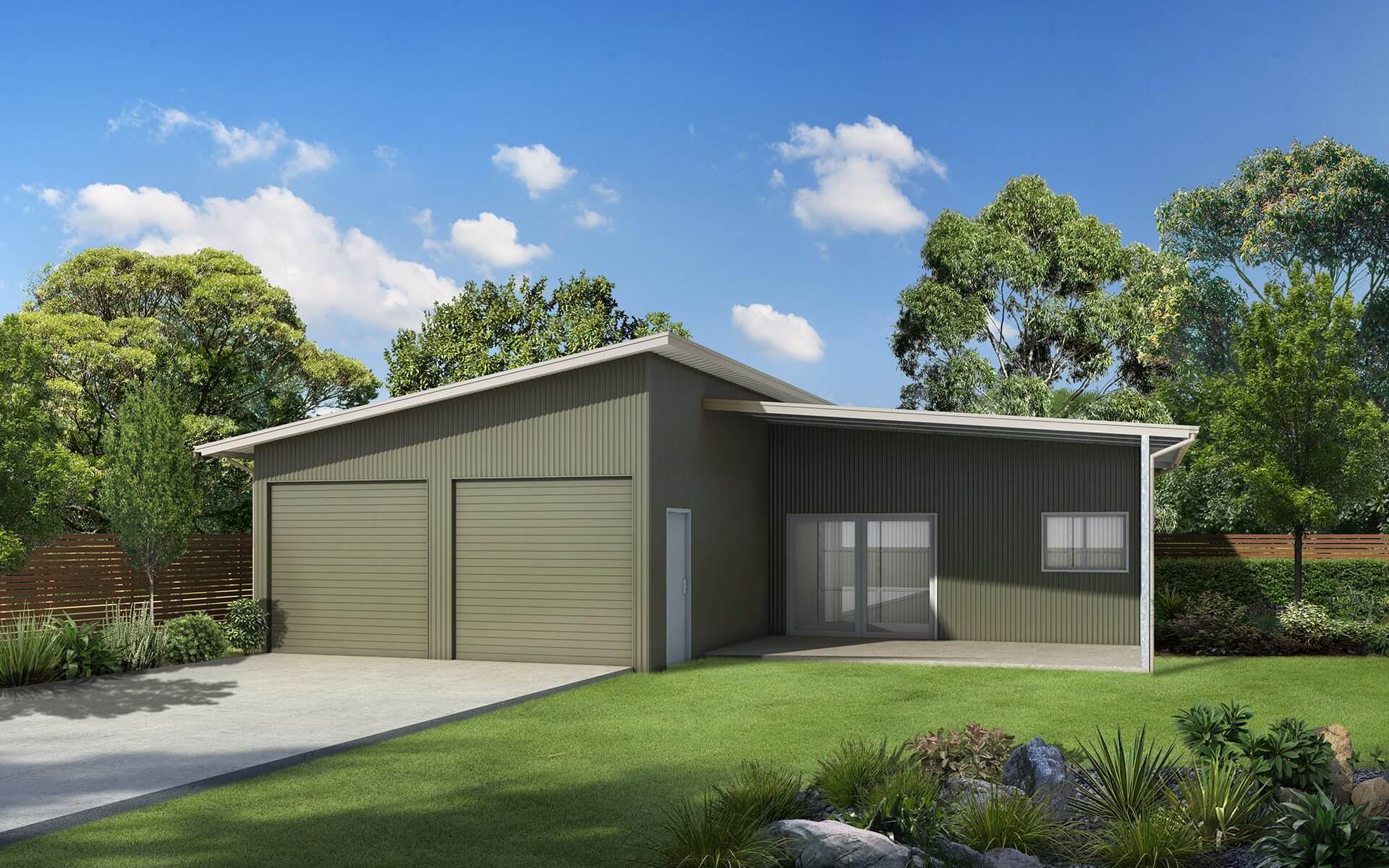
A Skillion Roof Garage wears a single sloping roof — think contemporary, clean lines and a roof that angles one way. It gives you height on one side (good for lofts, storage racks or sunlight) and a low, neat profile on the other. I like them because they feel modern without shouting for attention.
Why Whitsundays homeowners love the look
I see three big reasons people in the Whitsundays choose a Skillion Roof Garage:
- Style that fits coastal homes. The single slope pairs well with modern Queenslander renovations or minimalist builds.
- Solar-ready roof — the angle often suits solar panels, and you can position arrays where they siphon the most sun.
- Flexible interior height — tall bays for van storage, lofts for gear, or high shelving for tradie tools.
If you want to chat to someone who can design and build one, consider a Professional Skillion Roof Garage builder they’ll show you real builds and options that suit Whitsundays weather and styles.
Cost and value: what to expect (no fluff)
You want numbers, I get it. Costs vary by size, materials and extras (insulation, windows, automatic doors). Roughly:
- Single bay basic: economical and practical.
- Double bay with workshop options: mid-range.
- Custom triple bay + loft: premium.
Single Bay Basic
Typical Size: 3.0 × 6.0 metres
Typical Cost Range: $8,000 – $15,000
Best For: One car, bikes, lawn equipment or general storage
This option suits you if you want something practical and budget friendly. It gives you secure parking and clears up driveway clutter without taking over your backyard.
Double Bay with Door
Typical Size: 6.0 × 6.0 metres
Typical Cost Range: $18,000 – $30,000
Best For: Two cars or one car plus a small workshop area
This size works well if you want breathing space. You can park comfortably and still keep tools, shelves or a workbench along one side.
Custom Triple Bay or With Loft
Typical Size: 9.0 × 6.0 metres or larger
Typical Cost Range: $30,000+
Best For: Workshop setup, tradie storage, boat parking or mezzanine loft storage
Choose this if you need serious room and future flexibility. A loft makes smart use of vertical space and keeps the floor clear for vehicles or equipment.
Materials and finishes that survive coastal salt air
I recommend Colorbond steel or similar coated steel for the Whitsundays. I pick materials that resist corrosion, tolerate humidity and stay sharp in the sun. Consider:
- Wall cladding: corrugated or flat sheet Colorbond.
- Roof pitch: small pitch works visually; aim for good drainage (6–10° typical).
- Insulation: foil-backed blanket or wall insulation keeps heat out when the sun bakes the roof.
- Gutters & drainage: position downpipes to avoid pooling or erosion.
A Skillion Roof Garage gives you clean roof lines that channel rainwater nicely — handy for rainwater tanks or directing runoff away from foundations.
Functionality: more than just a garage
I always push clients to think about what it will do:
- Vehicle storage — obvious, but also motorbikes, boats or camper trailers.
- Workshop & business base — tradies in the Whitsundays often convert a bay into a workshop.
- Hobby space — surfboard shaping, woodworking, gym, whatever fuels you.
- Rental potential — convert part to a studio later (check local rules first).
Because a Skillion Roof Garage has that tall side, you can slip in loft storage or a mezzanine without eating ground space.
Planning, approvals and local rules
I don’t like surprises. In the Whitsundays region you must check local council rules before building. For Queensland-wide guidance on approvals, check the official planning and building pages so you follow rules around setbacks, flood levels and permitted heights.
Local councils might let small garages class as exempt or self-assessable development — but I always recommend getting a quick pre-check with council or a certifier. A quick phone call saves headaches.
Practical design tips I swear by
If you ask me which small decisions matter most, I’ll give you these:
- Orient the door for shade — protects paint and keeps interiors cooler.
- Plan roof pitch for solar — check panel orientation and shading from nearby trees.
- Add louvre or high windows on the high wall — natural ventilation without hot sun.
- Consider eaves or an awning — a tiny cover can create a useful shaded bench.
- Invest in a quality roller door — you’ll use it every day; cheap doors show wear fast.
A well-designed Skillion Roof Garage becomes the tidiest, most useful square on your block.
Pros and cons (so you decide fast)
Pros
- Clean, modern look that lifts property style.
- Great for solar and roof-mounted systems.
- Flexible interior height for storage mezzanines.
- Often cheaper than complex pitched roofs.
Cons
- Strong winds can catch large, flat faces — anchor well.
- Poor design choices can lead to overheating in summer.
- Requires proper corrosion-resistant materials in coastal zones.
If you weigh these honestly, you’ll spot whether the skillion shape matches your needs.
Build process & timeline (what I expect)
I work with builders who follow a predictable path:
- Measure & design — 1–2 weeks.
- Engineering & approvals — 2–6 weeks (depends on council).
- Foundation & slab — 1 week.
- Frame & cladding — 1–2 weeks.
- Doors, fit-out & finishing — 1 week.
Total: often 4–10 weeks from signing to keys, depending on approvals and custom features. I always factor a buffer for weather or supply delays.
Eco-friendly moves that actually help
I adore simple, effective eco upgrades:
- Put solar panels on the high slope.
- Rainwater tank under the downpipe for car wash and garden.
- Use LED strip lighting and motion sensors inside.
- Insulate the roof to reduce cooling needs.
A Skillion Roof Garage lends itself to these upgrades without ugly add-ons.
Is it right for your block on Whitsundays?
You should pick a Skillion Roof Garage if you want a modern look, clever storage solutions, and easy solar integration. If your site faces the open sea with savage winds, or you need a very traditional roofline to match heritage streetscape rules, you might reconsider. But for most young professionals who want style and function, a Skillion Roof Garage nails the brief.
Conclusion
I love the balance of form and function a Skillion Roof Garage gives. If you want clean aesthetics, solar-ready roofs and smart storage without complicated roof geometry, this could be your best backyard upgrade. I recommend you:
- Measure your space,
- Check council rules, and
- Speak to a reputable local builder to get tailored advice.
Ready to explore designs or get a quote? Contact a local builder, compare a few quotes, and imagine your tidy new garage by next season. Tell me what you plan to store, I’ll help you size it.
FAQs
Q: What size Skillion Roof Garage do I need for a 4WD and storage?
A: I advise at least a 6.0 × 6.0 metre double-bay if you want side storage and room to move. Add a small workshop corner if you like tinkering.
Q: Can I add a mezzanine for storage?
A: Yes. Use the taller side of the skillion for a mezzanine. I recommend professional engineering to make the most of headroom and load capacity.
Q: Do I need a building permit for a Skillion Roof Garage in the Whitsundays?
A: Possibly — it depends on size, setbacks and whether the land is flood-prone. Check local council rules and the Queensland building pages for guidance:
Q: Are skillion garages suitable for solar panels?
A: Absolutely. The single-slope design simplifies panel layout and often provides an ideal angle for solar harvest.
Q: How long does a typical build take?
A: From sign-off to finish I usually expect 4–10 weeks, depending on approvals and custom options.