






Cannabis concentrates can look very different from one product to another. One may be soft and creamy, another dry and crumbly, and another glossy with visible crystals suspended in liquid. For UK readers researching concentrates, these differences can be confusing at first glance.
In most cases, these textures—often called consistencies—reflect how an extract was processed, handled, and stored. They do not automatically indicate quality, safety, or strength. This guide explains what budder, badder, crumble, and sauce typically mean, how they differ in texture, and what those differences may imply for handling and storage.
What “consistency” means in cannabis concentrates
Consistency refers to the physical form of a concentrate: how it looks, feels, and behaves at room temperature. Some concentrates are whipped and opaque. Others are brittle and snap easily. Some separate into crystalline solids and a liquid layer.
A range of factors can influence consistency:
- Extraction and post-processing methods: Agitation, whipping, curing, and purging can all affect texture.
- Cannabinoid and terpene composition: Products with a higher proportion of terpene-rich fraction may appear “wetter,” while those with more crystallised cannabinoids may look drier.
- Temperature exposure: Heat during production, storage, or transport can change how a concentrate sets or separates.
- Time and storage conditions: Over time, exposure to warmth, light, and air may alter texture and aroma.
Consistency is best understood as a description of texture rather than a guarantee of potency or quality.
Budder: soft, whipped, and spreadable
Budder (sometimes informally called “butter”) is typically soft, creamy, and opaque. It often resembles frosting or thick paste and is usually easy to scoop with a dab tool.
This texture is commonly associated with controlled agitation or whipping during or after purging. That process can influence how cannabinoids and terpenes settle, producing a smooth, uniform appearance. However, exact results vary by producer and batch.
From a handling perspective, budder is often considered manageable because it tends to hold together rather than shatter or crumble. It may become softer in warmer environments and firmer in cooler ones.
For storage, a cool, airtight container away from light is generally recommended to help reduce changes in texture and aroma. If budder appears slightly runnier than expected, this can sometimes be linked to warmth rather than a defect.
Badder: thicker, denser, and sometimes glossy
Badder is closely related to budder but is often described as thicker or more batter-like in texture. Some badder appears glossy, while others have a matte finish. Terminology can vary between producers, and there is no universal standard separating budder from badder.
Badder may result from minimal crystallisation and a well-integrated terpene profile, though composition differs across products. Because it is often soft and cohesive, it can be easier to portion compared with brittle formats.
Like budder, badder may soften with warmth and firm up when cooled. Airtight storage can help preserve aroma and slow texture changes. If separation occurs—such as a wetter layer forming on top—this can reflect terpene movement rather than a safety issue. Gentle mixing with a clean tool may help restore a more uniform texture, provided the product has been stored appropriately.
Crumble: dry and break-apart texture
Crumble typically has a drier, more porous structure. It often breaks apart easily and may resemble honeycomb or compressed sugar. Colour can range from pale gold to amber.
This texture is often associated with more thorough purging and curing, though crumble can be produced through different methods. Because it is less sticky than budder or badder, some people find it easier to handle in small pieces. Others may find it slightly messier due to its tendency to fragment.
Texture alone does not determine potency or quality. A dry appearance does not necessarily indicate that a product is weaker or stronger than a wetter one.
To maintain consistency, crumble is generally stored in a sealed container in a cool environment. Prolonged air exposure may contribute to further drying and potential loss of aroma over time.
Sauce: liquid fraction with crystalline components
Sauce is commonly described as glossy and syrup-like. Some products labelled as sauce contain visible crystalline solids—often referred to informally as “diamonds”—suspended in a terpene-rich liquid fraction.
In some production approaches, cannabinoids may crystallise while terpenes remain in liquid form, creating a two-part appearance. However, the exact composition can vary between producers, and naming conventions are not standardised across the industry.
Sauce formats can be stickier and more fluid than other consistencies, especially at warmer room temperatures. Products containing both crystals and liquid may require careful portioning if someone wishes to include both components in a single serving.
Because terpene-rich fractions are more volatile, sealed storage in a cool, dark environment can help reduce aroma loss and limit further separation. Storing upright may help reduce the risk of leakage.
Other consistencies you may encounter
While this guide focuses on budder, badder, crumble, and sauce, other labels are commonly used:
- Shatter: A glass-like, brittle texture that snaps rather than scoops.
- Sugar: A granular, crystal-like appearance, often slightly wet.
- Live resin: Refers to extraction from fresh-frozen starting material; consistency may range from sauce to badder.
- Rosin: A solventless extract category; texture may vary from jam-like to more solid forms.
These terms may overlap. For example, a product might be described as “live resin sauce,” combining extraction method and texture description.
Does consistency determine potency or effects?
Consistency does not reliably indicate strength. While crystalline formats may contain high concentrations of specific cannabinoids, overall potency depends on the tested cannabinoid profile of the product.
Similarly, a wetter texture may appear more aromatic due to terpene content, but aroma intensity does not necessarily predict subjective effects. Individual response varies based on cannabinoid profile, terpene composition, dose, and personal tolerance.
For anyone considering concentrates, reviewing available product information and starting cautiously—particularly if inexperienced—can help reduce the risk of unwanted effects. Concentrates often contain higher cannabinoid levels per serving than flower, which may increase the likelihood of impairment.
Handling and storage considerations
Because concentrates are potent formats, many people approach them with additional care. General harm-reduction principles often include:
- Beginning with a very small amount if unfamiliar with the product.
- Waiting to assess effects before consuming more.
- Avoiding activities such as driving if impaired.
- Not combining with alcohol or other substances that may increase impairment risk.
Storage practices can also influence consistency and aroma. In general:
- Keep concentrates sealed in an airtight container.
- Store in a cool, dark place away from direct sunlight.
- Minimise repeated air exposure by closing containers promptly.
UK readers should also be aware that cannabis laws and permitted product access pathways vary depending on jurisdiction and product type. This article is intended for educational purposes about terminology and texture, not as legal or medical advice.
Conclusion
Budder, badder, crumble, and sauce describe different concentrate textures—creamy and whipped, thick and batter-like, dry and crumbly, or glossy with liquid and crystals. These consistencies reflect processing methods, composition, and storage conditions rather than serving as guarantees of potency or quality.
When reviewing concentrate listings, consistency can help you understand how a product might handle and store. For a fuller picture, it is useful to consider labelled cannabinoid information, storage practices, and personal tolerance. A cautious, informed approach is generally the most reliable way to interpret the wide range of concentrate formats available.




Buy High THC Oil Online from the best weed shop.
High THC Oil is an oil derived from the cannabis plant, THC is often used recreational to get high, it also has a number of different purposes.

Buy Cannabis near me -Buy high-quality weed online with just a click and get the goods delivered right to you.
Its never been this easy to enjoy all-natural, sungrown marijuana.
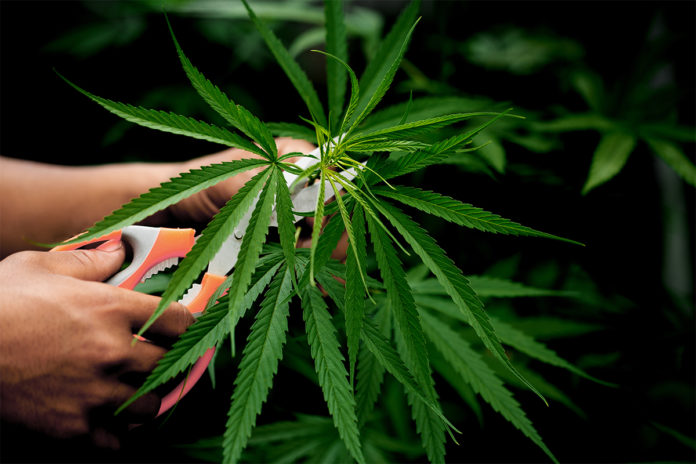
There is a wide range of weed strains that claim to increase creativity and help focus your mind.
The terpene and cannabinoid make up of each strain determines how it will affect your mind and your body.
Some strains are more focused on effects on your body, while others stimulate your mind.
This plant is a sativa leaning hybrid cross between Motivation and White Russian.
It does have a minimal, relaxing effect on the body, not enough to glue you to your couch.
Dream QueenDream Queen is created by combining two strains with strong mental strains.