

Why Trauma-Informed Care Training Matters in Mental Health Nursing
Mental health nursing is not just giving medicine and writing reports. It is about understanding people, their pain, their past, and their emotions. Many patients who come to mental health services have gone through difficult situations in life. Some may have faced abuse, violence, loss, neglect, or serious accidents. These experiences can deeply affect their mind and behaviour.
That is why trauma informed care training for nurses is very important today. It helps nurses understand how trauma affects a person and how to give care in a safe and respectful way.
In this blog, we will explain why this training matters so much in mental health nursing and how it improves patient care.
What Is Trauma-Informed Care
Trauma-informed care means understanding that many patients may have suffered trauma in their life. Instead of asking what is wrong with you, nurses learn to ask what happened to you. This small change in thinking makes a big difference.
Trauma can affect how a person:
Talks to others
Trusts healthcare staff
Reacts to touch or loud sounds
Follows instructions
Handles stress
If a nurse does not understand trauma, they may think the patient is being difficult or aggressive. But with proper training, nurses understand that the behaviour may be a result of past pain.
Why Trauma Is Common in Mental Health Settings
In mental health hospitals and community services, many patients have faced:
Childhood abuse
Domestic violence
Bullying
War or conflict
Sudden loss of loved ones
Because of these experiences, patients may feel fear easily. They may not trust people quickly. Some may even panic during simple procedures.
For a mental health nurse NI, understanding trauma is very important because it helps in building trust with patients and giving better care.
How Trauma-Informed Training Helps Nurses
When nurses attend trauma-informed training, they learn many useful things.
1. Building Trust with Patients
Trust is the base of mental health care. If a patient trusts the nurse, they will open up and speak about their feelings. Training teaches nurses how to talk gently, respect boundaries, and listen without judging.
2. Creating Safe Environment
Patients who faced trauma often feel unsafe. Nurses learn how to create a calm and safe environment. This includes:
Speaking softly
Explaining procedures before doing them
Asking permission before physical contact
Avoiding sudden loud actions
These small actions make patients feel secure.
3. Reducing Aggression and Conflict
Sometimes patients may react strongly due to past trauma. Instead of using force, trauma-informed care teaches nurses to understand triggers and calm the situation peacefully.
This reduces:
Physical restraint
Arguments
Stress for both patient and staff
4. Improving Recovery
When patients feel safe and understood, they respond better to treatment. They attend therapy regularly and take medicines properly. This helps in faster recovery.
Many healthcare agencies like Xpress Health understand the importance of trained nurses and support professionals who can give safe and kind mental health care.
Importance in Northern Ireland
Mental health services are growing in Northern Ireland. There is high demand for skilled nurses and support workers. If someone is working as a mental health support worker northern ireland, trauma-informed knowledge can help them handle patients in a better way.
People who want to become a mental health support worker should learn about trauma care because it is now an important part of mental health services.
Hospitals and care homes prefer staff who understand patient emotions and past experiences.
Skills Learned in Trauma-Informed Training
This training gives practical skills that nurses can use daily.
Understanding Triggers
A trigger is something that reminds a person of past trauma. It can be a smell, sound, word, or action. Nurses learn how to identify and avoid triggers.
Active Listening
Nurses learn how to:
Listen carefully
Not interrupt
Show empathy
Use simple and kind words
Emotional Control
Mental health nurses also face stress. Training teaches them how to stay calm and not react emotionally when a patient becomes upset.
Team Communication
Trauma-informed care is not only for one nurse. It is for the whole team. Staff must share information and follow same approach so patient feels consistent care.
Benefits for Nurses
This training is not only good for patients but also for nurses.
Less workplace stress
Better understanding of patient behaviour
Improved communication skills
More confidence in handling difficult situations
For those applying for mental health nursing jobs in Northern Ireland, having trauma-informed training can increase job opportunities and career growth.
Employers now look for nurses who can provide person-centred care and understand emotional needs of patients.
Real Impact on Patient Life
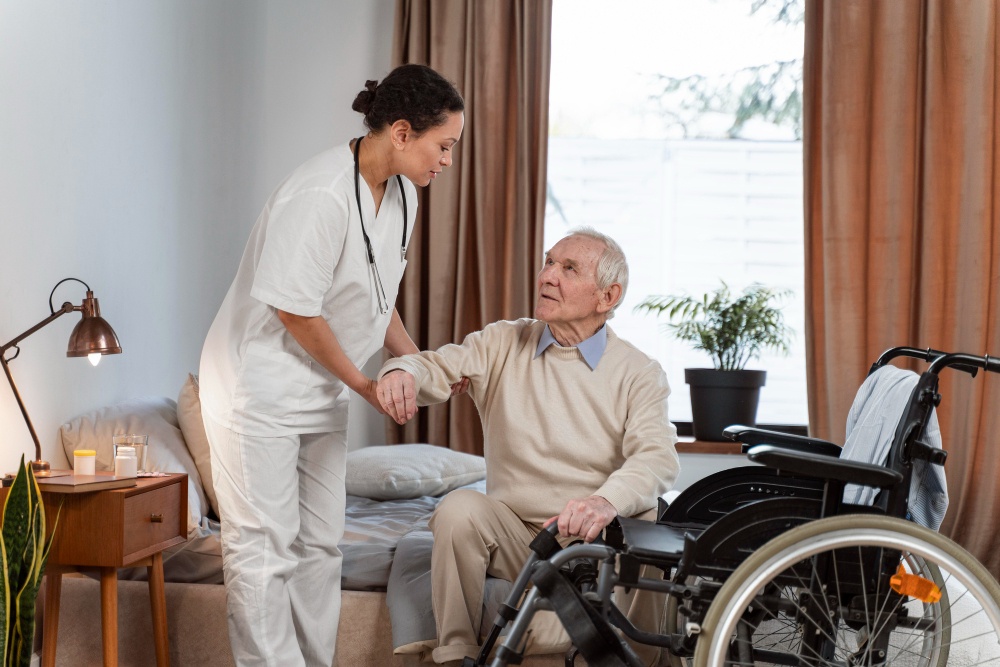
Imagine a patient who faced abuse in childhood. If a nurse speaks loudly or touches suddenly, the patient may panic. But if the nurse explains calmly and asks permission, the patient feels respected.
This respect can slowly rebuild the patient’s trust in people. Over time, this helps in emotional healing.
Trauma-informed care reminds nurses that behind every behaviour there is a story. When nurses understand this, they treat patients with more patience and kindness.
How to Start Learning Trauma-Informed Care
If you are already working in mental health:
Attend certified training programs
Join workshops
Read simple guides on trauma care
Practice empathy in daily work
If you are planning to enter mental health field, learning this skill early will help you stand out.
Conclusion
Mental health nursing is not only about treatment. It is about understanding pain that we cannot see. Many patients carry invisible wounds from their past. Without proper knowledge, nurses may miss these signs.
That is why trauma-informed care training is very important in mental health nursing. It helps nurses create safe spaces, build trust, reduce conflict, and support real recovery.
In today’s healthcare world, kindness, patience, and understanding are as important as clinical skills. When nurses learn to see the person behind the illness, they give care that truly heals.
Trauma-informed care is not just a method. It is a way of thinking and treating every patient with respect and dignity.