
If you spend time in online health forums, you will see the same question over and over: does BPC-157 actually help injuries heal, or is it just hype? People ask about tendon pain that will not go away, gut problems that keep coming back, or muscle strains that never feel fully better. Some say it worked fast. Others say it did nothing. Many are confused about safety, dosing, and whether the product they bought was even real.
Part of the confusion comes from how and where people buy it. Since BPC-157 is not an approved prescription drug in the United States, it is usually sold as a research chemical through online stores like Synpeptix, and others. That creates uncertainty. People are not only asking if BPC-157 works. They are also asking if what they received is pure, properly stored, and dosed correctly.
Let’s slow this down and go step by step.
What Is BPC-157 in Simple Terms?
BPC-157 is a synthetic peptide. It is based on a protein fragment that researchers originally found in stomach tissue. In animal studies, it appeared to help with tissue repair, especially in tendons, ligaments, muscles, and the digestive tract.
That sounds promising. But most of the strong data comes from animal research, not large human clinical trials. This gap is where much of the confusion begins.
People read impressive results in rats and assume the same results apply directly to humans. That is not always true.
Why People Are Interested in It
From reading online discussions, these are the main reasons people look into BPC-157:
Chronic tendon injuries that do not respond to rest or physical therapy
Shoulder, knee, or elbow pain that lingers for months
Post surgery healing support
Gut issues like inflammation or discomfort
Trying to avoid steroid injections or surgery
Many users say they are frustrated. They have tried standard care. They feel stuck. They want something that speeds up healing instead of just masking pain.
Why There Is So Much Confusion
There are three main reasons.
1. It Is Not FDA Approved
BPC-157 is not approved for medical use in the United States. That means there are no official dosing guidelines, no standardized manufacturing rules for human treatment, and no long term safety data in large human populations.
When something exists in this gray area, information spreads mostly through word of mouth and online posts.
2. Dosing Is Guesswork
In forums, you will see people asking:
How much should I take?
How often should I inject it?
Do I inject near the injury or in the stomach?
How long should I run a cycle?
There is no agreed answer. Most of what people share comes from animal studies or personal experimentation. That leads to inconsistent results.
Some people underdose and see nothing. Others take more than necessary. Neither approach is ideal.
3. Quality Varies
Because BPC-157 is sold as a research compound, quality control depends entirely on the seller. Peptides are fragile. They can degrade if stored improperly or shipped in heat. Purity also matters. If the product is not tested carefully, users may not be getting what the label claims.
This quality issue alone explains why two people can have completely different experiences.
Common Myths and Wrong Expectations
Myth 1: It Heals Everything Fast
Some posts make it sound like injuries disappear in days. That sets unrealistic expectations.
Even in positive reports, most people describe gradual improvement over weeks. Tissue healing still takes time. BPC-157 is not magic.
Myth 2: It Is Completely Risk Free
Because it is not a steroid, some assume it is automatically safe.
The truth is simpler. We do not have strong long term human data. That does not mean it is dangerous. It means uncertainty exists. Anyone considering it should understand that.
Myth 3: More Is Better
Increasing dose does not guarantee better results. With peptides, more can sometimes mean more side effects without added benefit.
Commonly reported side effects in online discussions include:
Headaches
Fatigue
Changes in appetite
Mild nausea
These are usually described as temporary, but again, there is limited formal research.
Practical Guidance If You Are Considering It
If someone is seriously thinking about BPC-157, here are grounded steps to consider.
1. Talk to a Medical Professional
Even if many doctors are unfamiliar with it, discussing your injury and overall health matters. There may be other proven treatments you have not explored fully.
2. Fix the Basics First
No peptide will fix:
Poor rehab habits
Overtraining
Lack of sleep
Poor nutrition
Many people in forums admit they hoped BPC-157 would compensate for these things. It will not.
3. Understand the Legal and Medical Status
Know that it is experimental for humans. That alone should influence your decision.
4. Be Realistic About Timeline
Healing, especially tendons and ligaments, is slow. Expect weeks, not days.
5. Pay Attention to Storage and Handling
Peptides usually need refrigeration after mixing. They can break down if exposed to heat or light. Mishandling alone can reduce effectiveness.
What About Gut Health Claims?
Some discussions focus on digestive issues. Since the peptide was originally linked to stomach tissue research, people assume it directly fixes gut problems.
Animal research does show protective effects in the digestive tract. But in humans, evidence is limited. Anyone with chronic gut symptoms should first rule out common causes such as food intolerance, infection, or inflammatory conditions with proper testing.
Using BPC-157 as a first line approach without diagnosis is not wise.
Why Experiences Vary So Much
After reading hundreds of discussions, a pattern appears.
People who report better outcomes often:
Combine it with structured rehab
Use consistent dosing
Give it enough time
Address lifestyle factors
People who report no results often:
Use inconsistent doses
Expect instant relief
Continue stressing the injured area
Buy low quality product
This does not prove effectiveness. It simply shows how many variables are involved.
A Balanced View
BPC-157 is interesting. The animal research suggests potential for tissue repair and gut protection. Real people online report both positive and neutral experiences. Strong human clinical data is still limited. Quality control varies because it is not an approved medication.
If someone is dealing with a stubborn injury, the appeal makes sense. But it should not replace proper diagnosis, physical therapy, or medical care. It should also not be seen as risk free or guaranteed.
The safest mindset is this: treat it as experimental. Understand the limits. Focus first on proven recovery habits. If you choose to explore it, do so cautiously and informed.
That approach removes hype and replaces it with clear thinking.

BPC-157 is one of the most talked-about peptides in the wellness, fitness, and recovery space. In 2026, interest continues to grow as more people search for innovative ways to support injury recove
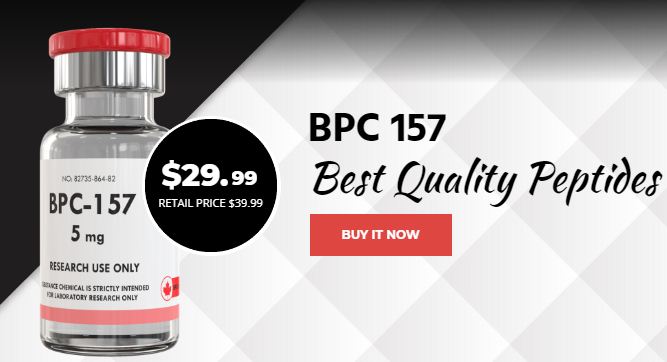
Are you searching for the best Recovery peptide in Edmonton, AB?
Look no further, At BPC Canada delivering high-quality peptides for research use only.
Bpc 157 peptide essentially used to repair tendon, muscle, intestines, teeth, bone and more.
Place an order right now!