


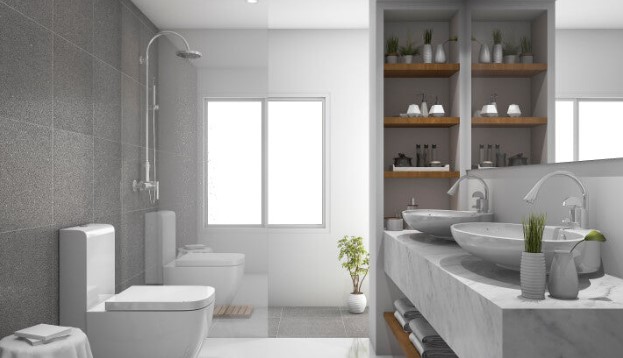
For years, the "galley" kitchen—a narrow corridor with cabinets on two sides—was considered a layout to be escaped. Homeowners knocked down walls to create islands and open squares. However, the galley is experiencing a renaissance. Architects and serious cooks are rediscovering that the galley is, mechanically speaking, the most efficient layout possible. It is the layout of choice for airplanes, ships, and many professional restaurant lines because it minimizes steps and maximizes reach.
In the context of kitchen remodeling CT urban homes and older colonials often have these narrow footprints. Instead of fighting the architecture to force an island where it doesn't fit, we are embracing the galley. We are optimizing it to create a sleek, high-performance "cockpit" for cooking. When designed correctly, a galley kitchen allows you to reach the sink, stove, and fridge by simply pivoting, rather than walking, making it incredibly ergonomic.
Maximizing Vertical Space
In a galley, floor space is limited, so we must expand upwards. We take cabinetry all the way to the ceiling. This draws the eye up, making the narrow room feel taller and airier, while providing crucial storage for rarely used items. We use tall, pantry-style cabinets on the ends of the runs to house appliances and dry goods. Rolling library ladders are a functional and stylish addition that allows access to high storage, adding a unique architectural element that turns the "corridor" feel into a design feature.
Lighting and Reflectivity
The danger of a galley is that it can feel like a tunnel. Lighting is the antidote. We avoid hanging pendants that clutter the sightline. Instead, we use recessed cans and aggressive under-cabinet lighting to wash the walls in light. We also use reflective surfaces to widen the space visually. High-gloss cabinetry, mirrored backsplashes, or glass-front upper cabinets bounce light around the room, tricking the brain into perceiving more width. Keeping the color palette light and neutral on the upper cabinets prevents the room from feeling top-heavy or closing in on you.
The "Single Wall" Plus Island Variation
A modern variation of the galley is removing one wall to open the kitchen to the dining room, turning the second run of cabinets into a peninsula or a long island. This maintains the efficient parallel workflow of the galley but allows for social connection and bar seating on the other side. This "one-wall-plus-island" layout is incredibly popular in row houses or smaller condos. It offers the storage density of a galley with the open feel of a modern kitchen, proving that you don't need a square room to have an island experience.
Appliance Placement Strategy
In a narrow galley, appliance clearance is critical. You must ensure that the dishwasher door and the oven door can open without hitting the cabinets opposite. We often use panel-ready appliances to reduce visual clutter; a stainless steel dishwasher breaks the line of the cabinets, making the room feel shorter. Hiding it behind a matching cabinet panel keeps the eye moving smoothly down the length of the room. We also place the fridge at one of the open ends of the galley so that family members grabbing a drink don't block the cook working in the center of the lane.
Conclusion
The galley kitchen is not a compromise; it is a high-performance machine. By respecting the constraints of the footprint and utilizing vertical space, lighting, and smart appliance placement, we can transform a narrow hallway into a chef’s dream. It is proof that efficient, beautiful design is not about how much space you have, but how you use it.
Call to Action
Have a narrow kitchen space? Let us show you how efficient and stylish a galley layout can be.
Visit: https://kitchentraditions.net/
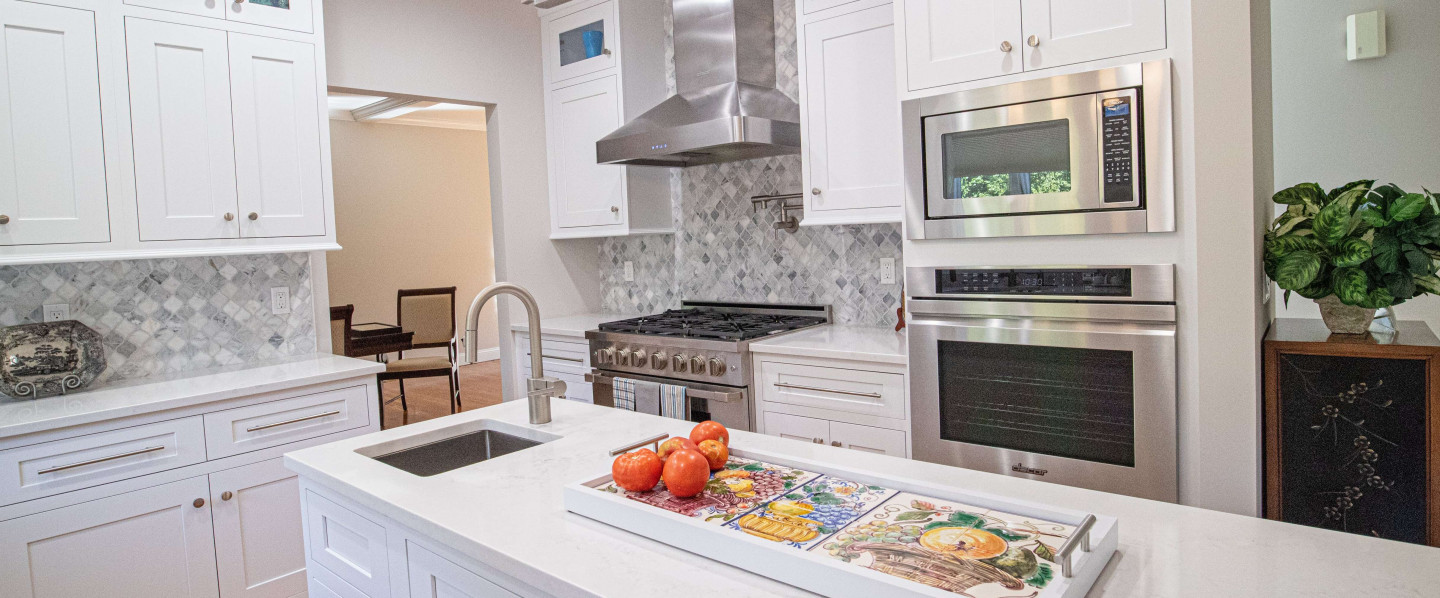
Are you looking forward to renovating or remodeling your entire kitchen this year?
Well, there are questions you need to answer before you can take that first step.
Remodeling your kitchen can cost a lot of money if you cannot find the right experts to do it.
Having the right budget for your remodeling project is not enough.
There is a lot to consider if you want to ensure your kitchen remodeling is successful.
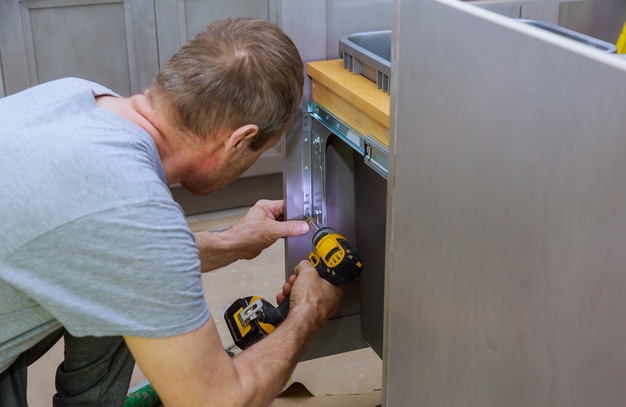
If you have a major or a little spending it ought to oblige all kitchen remodeling needs, check whether your financial plan doesn't soar and gain out of power in this interaction.https://kitchenremodelreno.com/kitchen-remodeling-reno-nv.html
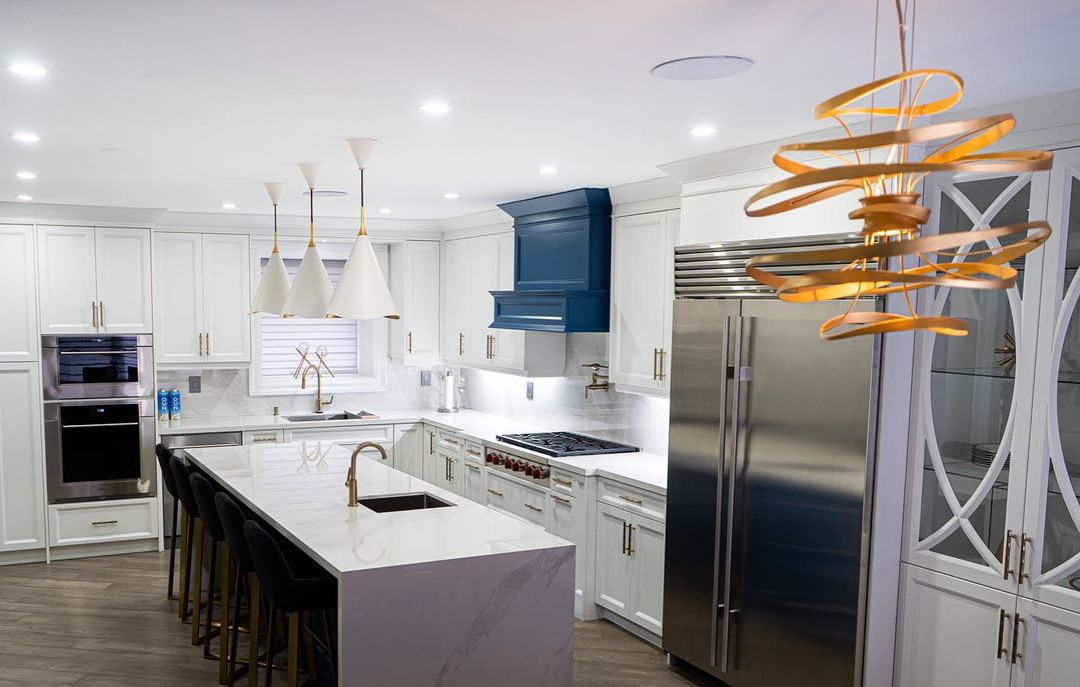
When it comes to kitchen remodeling, investing your money into any aspect of a kitchen will prove to be invaluable, including adding value when it's time for resale.
Whether you want to install custom kitchen cabinets or add in a new coat of paint, listed below are different ways through which you can remodel your kitchen in 2021.Visit our site at https://www.aurakitchens.com/blog/kitchen-remodeling-ideas-for-summer-2021/.