


Earlier, application maintenance meant one thing: fixing it when it broke. A ticket would arrive, the system would go down, a patch would be deployed, and only then would the team breathe a sigh of relief.
That model does not work in 2026.
Applications now power revenue, compliance, AI workflows, partner ecosystems, and real-time customer journeys. They are not back-office utilities. They are business platforms. When they fail, the impact is immediate and public.
That shift has changed the role of application maintenance services. The conversation is no longer about fixing defects. It is about protecting value, unlocking performance, and creating space for innovation.
Forward-thinking enterprises are reframing the conversation. The question is no longer “Who will maintain this?” It is “How can maintenance become a driver of business outcomes?”
Why Maintenance Is Now a Strategic Priority
The number of enterprise application portfolios has been increasing rapidly. Cloud migration has accelerated. The adoption of SaaS has been explosive. Custom applications remain at the forefront of differentiated business processes.
As per research by Gartner, global IT spending in 2026 is projected to surpass $6 trillion, an increase of about 11% from 2025, with a significant portion of that going into software and cloud spending. As the spend continues to rise, so does the need to maintain it well.
However, it is a fact that many organizations today are struggling with inefficiencies and increasing complexity. With a lack of vision on application management, this has been a challenge to agility, innovation, and ROI on technology investments.
Maintenance is no longer overhead. It is risk management, cost optimization, and performance engineering. This is often the difference between scaling smoothly and stalling under pressure.
The Old Model: Reactive Application Maintenance & Support
The traditional maintenance & support process for applications was a predictable cycle: incident management, bug fixing, version upgrade, and sometimes performance optimization.
Most organizations used to rely on ticket-based support models. SLAs focused on response time, not business impact. Reporting centered on volume, not value.
This approach worked when systems were stable, and change cycles were slow. It fails in modern digital ecosystems where:
- Releases happen weekly or daily
- Applications integrate with dozens of APIs
- Security threats evolve constantly
- Users expect seamless experiences
In this environment, reactive maintenance models create firefighting cultures. Teams stay busy, but innovation slows.
The result is predictable:
- High maintenance costs
- Growing backlog
- Frustrated stakeholders
2026 Reality: Maintenance as Continuous Engineering
The leading application maintenance firm in 2026 does not wait for failure. It anticipates it.
Maintenance is now built on three pillars:
1. Observability and Real-Time Monitoring
Current platforms employ sophisticated monitoring tools to monitor performance, usage, and health.
Anomaly detection using AI identifies problems before users do. Logs are analyzed in real time. Infrastructure and application metrics are correlated.
The focus shifts from mean time to repair to mean time to prevent.
2. Security as a Living Process
Cyber risk continues to rise. Research consistently shows that the average cost of a data breach runs into millions of dollars globally. Vulnerabilities in legacy applications are often entry points.
Proactive application maintenance support services now include:
- Continuous vulnerability scanning
- Patch automation
- Dependency management
- Compliance validation
Security updates are no longer quarterly events. They are embedded into daily workflows.
3. Performance and Cost Optimization
Cloud spend is under scrutiny. Boards want transparency, and CFOs want control.
Application support teams now analyze usage trends and right-size infrastructure. They optimize queries, eliminate redundant services, and archive stale data.
Maintenance becomes a lever for cost savings, not just cost containment.
The Shift Toward Outcome-Based Application Support and Maintenance Services
In 2026, enterprises are rewriting their contracts.
Service level agreements are being replaced by experience level agreements. Rather than focusing on up-time, organizations measure user satisfaction, transaction times, and revenue effects.
A mature provider of application support and maintenance services aligns metrics with business KPIs.
For example:
- Ecommerce platform support linked to cart conversion rate
- Banking application maintenance linked to transaction latency
- Healthcare systems monitored for regulatory compliance adherence
In this model, maintenance becomes accountable to outcomes rather than activities. And that shift changes everything.
AI and Automation in Application Maintenance Services
AI is no longer experimental in maintenance operations; it is embedded.
Predictive analytics identifies patterns that humans might miss. Automated scripts resolve known issues without manual intervention. Chatbots assist support desks in triaging incidents.
Intelligent automation can reduce IT operations costs significantly while improving service quality. But automation alone is not sufficient.
The true power of automation lies in its integration with architectural knowledge. A skilled application maintenance company has a deep understanding of existing applications, integration points, and domain knowledge. This knowledge enables automated tools to work with accuracy and not just rely on educated guesses.
From Cost Center to Value Engine
There is a mindset shift happening in boardrooms.
Where maintenance budgets were once viewed as costs to be minimized, they are now evaluated through the lens of ROI.
Proactive application maintenance services can:
- Extend the life of critical applications
- Reduce downtime risk
- Improve customer experience
- Lower cloud and infrastructure costs
- Free internal teams to focus on innovation
Your applications already hold value. Maintenance determines how much of it you actually realize.
Modern Operating Models for Application Maintenance & Support
Application environments are more complex than ever. Most enterprises run a mix of legacy systems, cloud platforms, and custom apps that evolve constantly. A single, rigid support model no longer fits.
That is why operating models are changing, and enterprises are adopting hybrid engagement models.
Dedicated Pods
Cross-functional teams are responsible for end-to-end application maintenance and support for particular platforms. These pods consist of developers, DevOps engineers, QA analysts, and security experts.
By owning the lifecycle, these teams take responsibility for stability, performance, and continuous improvement.
DevOps Integrated Support
Maintenance is integrated into DevOps pipelines. Continuous integration and continuous deployment reduce regression risk. Code quality scans run automatically.
Support is not a separate function. It is part of engineering.
Co-Managed Models
Organizations retain architectural oversight while partnering with a specialized application maintenance company for 24/7 monitoring, L2 and L3 support, and performance engineering.
This model balances control and scalability.
Measuring Success in 2026
The metrics that matter have evolved. Successful application maintenance support services track:
- Incident prevention rate
- Change success rate
- Deployment frequency
- Security patch cycle time
- Infrastructure utilization efficiency
- User satisfaction scores
Transparent reporting dashboards make these outcomes visible. Stakeholders gain clarity on trends, while leadership sees the direct business impact.
Most importantly, the conversation around maintenance is changing. It is no longer about pointing fingers when problems occur, but about optimizing.
The Human Side of Maintenance
Technology drives the process. People drive the outcome.
It is difficult to find engineers who are familiar with legacy code bases. It is equally difficult to find engineers who can connect legacy systems to modern APIs.
That is why selecting the right application maintenance company is a strategic decision.
Look for partners who:
- Invest in continuous training
- Bring domain knowledge
- Understand compliance requirements
- Communicate clearly with business stakeholders
- Offer structured governance models
Maintenance requires discipline. It also requires curiosity.
The best teams don’t just fix problems; they ask questions, refine processes, and propose improvements.
The Cost of Inaction
Some organizations still treat maintenance as an afterthought.
They defer upgrades, delay refactoring, and rely on small internal teams stretched across too many systems.
The consequences build quietly:
- Performance degrades
- Security gaps widen
- Cloud bills increase
- Innovation slows
Eventually, modernization becomes urgent and expensive.
Proactive application support and maintenance services reduce that risk. They create steady improvement instead of crisis-driven transformation.
What Forward-Looking Enterprises Are Doing Now
In 2026, high-performing organizations share a few common traits:
- They conduct regular application portfolio assessments.
- They track technical debt as a measurable metric.
- They integrate maintenance with business strategy.
These organizations treat application maintenance and support as continuous engineering, not emergency response.
They also view their maintenance partner as an advisor, not just a vendor. That distinction matters.
Conclusion
The application ecosystem will become even more complex. This is because AI agents, IoT, industry-specific compliance layers, and user expectations will all contribute to this complexity.
Thus, maintenance cannot remain reactive.
The future belongs to organizations that transform application maintenance services into proactive value engines.
Select an application maintenance provider that looks beyond the ticket. It should be in sync with your growth roadmap and recognize that stability and innovation are not opposites but partners.
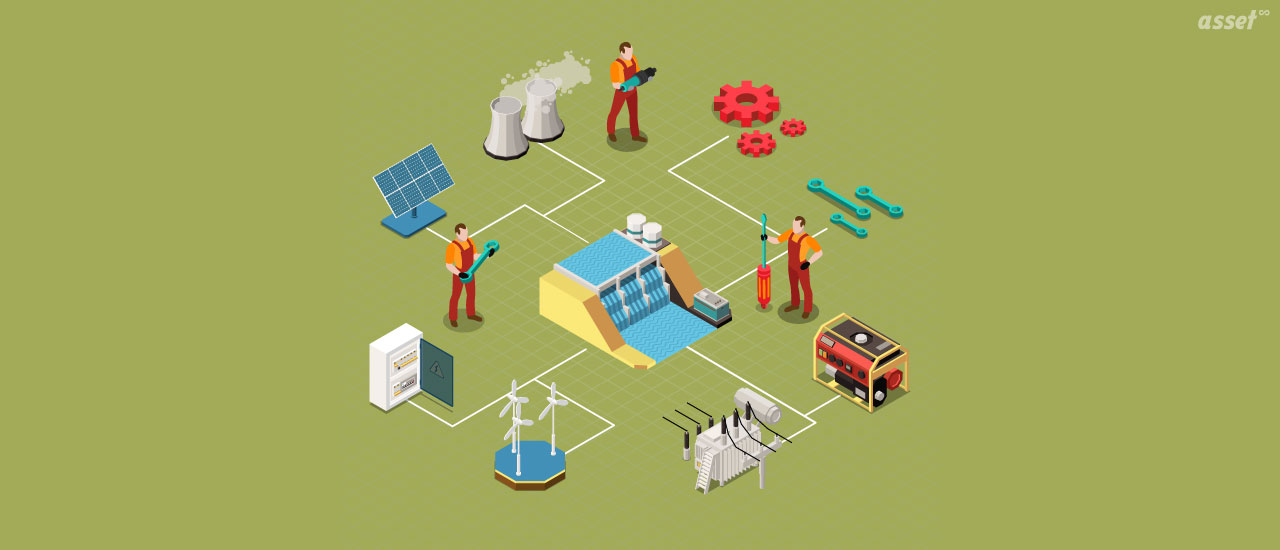
Maintenance is important for all organizations, especially if pieces of equipment are crucial for daily operations.
Maintenance is an important factor in keeping well-performing and when assets are maintenance their upkeep expenses are controlled.Maintenance plays a crucial role in minimizing asset performance and avoiding asset failure as well.
In this blog, we will focus on reactive maintenance.
Because assets need other resources rather than just in-house maintenance staff.If you want to run a business efficiently obviously you cannot rely on just reactive maintenance, but you can categorize assets into critical and non-critical assets.
Sometimes corrective maintenance identifies and eliminates potential issues.
However, this practice differs from one organization to another.Also Read: A Definitive Guide About Predictive Maintenance Software4.
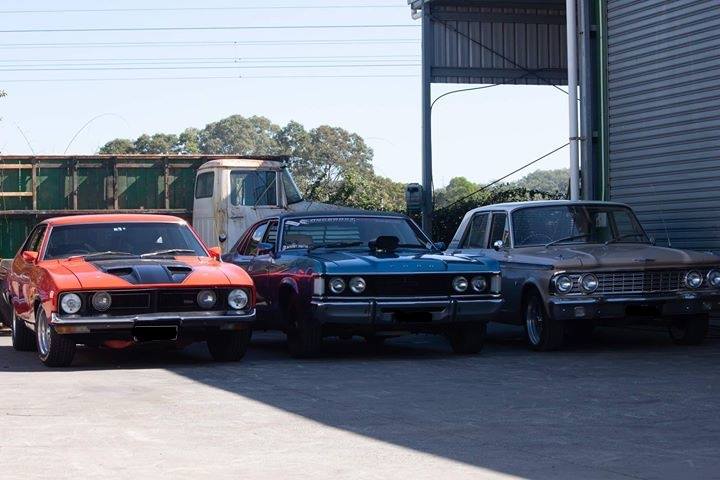
A logbook service is a proactive approach to car maintenance where regular inspections and small fixes can keep your vehicle running smoothly and efficiently.https://cbauto.com.au/services/