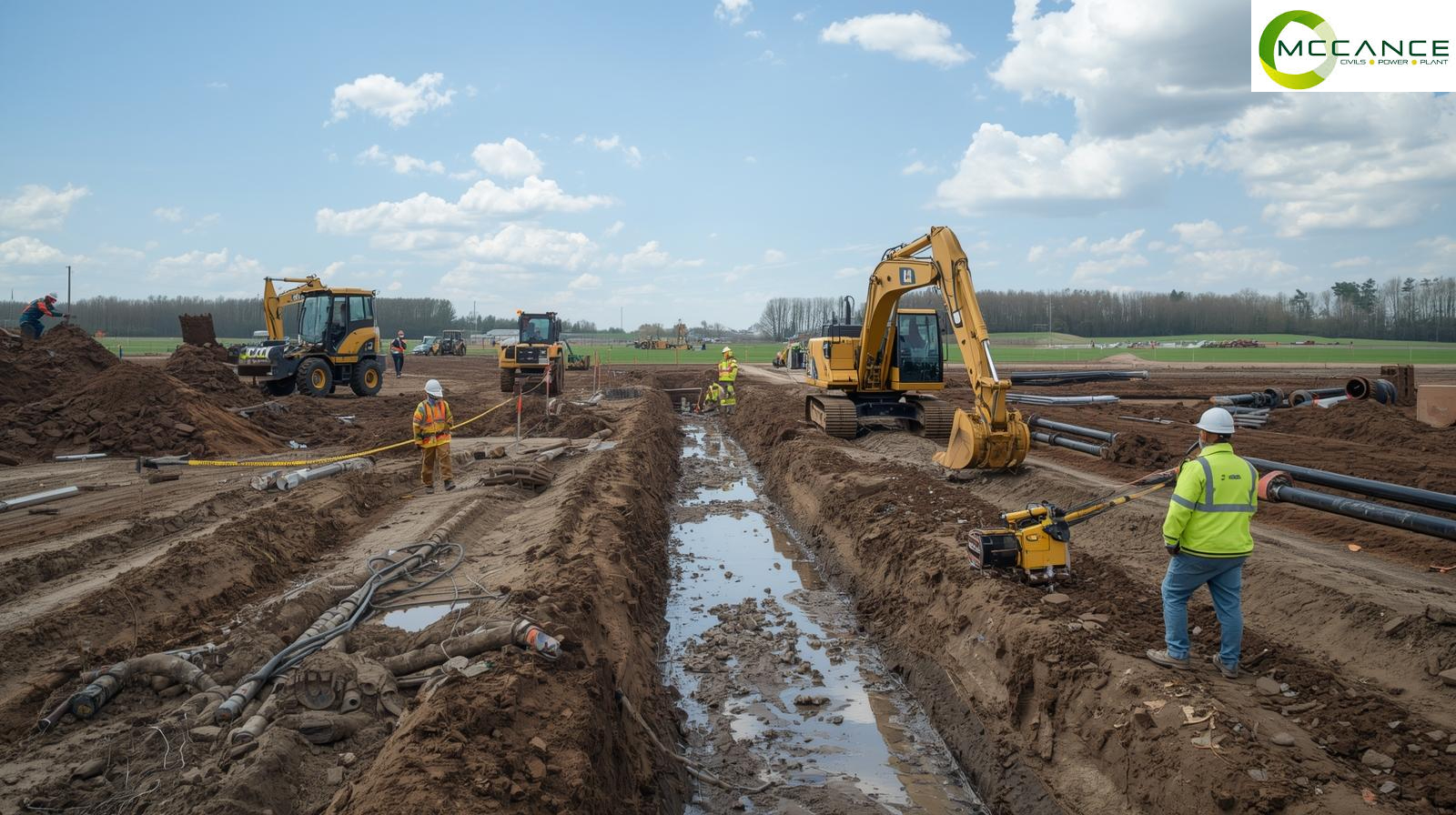



Civil construction design plays a vital role in shaping the infrastructure that supports modern society. Roads, bridges, drainage systems, rail networks, and large-scale developments all begin with detailed planning and technical design. As Australia continues to invest heavily in infrastructure and urban expansion, qualified civil construction designers are becoming increasingly valuable. If you are considering a career that combines technical expertise, practical application, and strong employment prospects, studying civil construction design could be a strategic choice.
This article explores why civil construction design is a smart career path, what skills you gain, and how industry-driven education can position you for long-term success.
Strong Industry Demand in Australia
Australia’s infrastructure sector is experiencing sustained growth due to population expansion, regional development, and government-funded projects. Major investments in transport, water management, renewable energy infrastructure, and urban planning are creating ongoing demand for skilled professionals who can design and support civil works projects.
Civil construction designers work closely with engineers, project managers, and contractors to ensure projects are technically sound, compliant with regulations, and efficient in execution. As projects increase in complexity, employers seek individuals who understand both theoretical design principles and practical site requirements.
This consistent demand provides career stability and long-term growth opportunities for graduates in this field.
A Career That Shapes Communities
Studying civil construction design allows you to contribute directly to the development of cities and communities. From designing safe road systems to planning stormwater drainage solutions, your work impacts public safety, sustainability, and quality of life.
Unlike some desk-based roles that feel disconnected from outcomes, civil construction design offers visible, tangible results. You can see the infrastructure you helped design being built and used by thousands of people daily. This sense of contribution makes the profession both meaningful and rewarding.
Practical and Technical Skill Development
One of the key reasons to study civil construction design is the combination of technical knowledge and practical application. Students develop competencies in areas such as drafting, structural design concepts, materials selection, surveying principles, and computer-aided design software.
Modern training programs focus heavily on real-world scenarios. Students learn how to interpret engineering drawings, prepare technical documentation, apply Australian standards, and collaborate within multidisciplinary teams. These practical skills make graduates job-ready and confident in professional environments.
The integration of software tools and digital design platforms also ensures that students are aligned with current industry practices.
Competitive Salary and Career Progression
Civil construction design offers strong earning potential compared to many entry-level professions. As experience grows, professionals can move into senior design roles, project coordination, or management positions. Some may choose to specialise in areas such as road design, structural detailing, or environmental infrastructure.
With further study or experience, career progression can include roles such as civil engineering associate, design manager, or project supervisor. The pathway is flexible, allowing individuals to tailor their careers according to their interests and strengths.
Opportunities for International Students
For international students, civil construction design presents an attractive pathway due to Australia’s robust infrastructure pipeline and industry demand. Vocational education programs provide structured learning aligned with national standards and workplace expectations.
Industry-focused institutions like NeXgen Institute of Australia deliver practical, career-oriented training that prepares students for real industry environments. NeXgen Institute of Australia is committed to high-quality education for international students and fosters a diverse community where learning extends beyond the classroom. By focusing on applied knowledge and workplace readiness, NIA ensures graduates develop both technical expertise and professional confidence.
A Future-Proof Career Path
Infrastructure development is not a temporary trend. Growing cities require transport systems, utilities, public facilities, and sustainable construction solutions. Climate resilience and environmental considerations are also increasing the need for skilled designers who can plan efficient and compliant infrastructure systems.
As technology evolves, civil construction design continues to adapt through digital modelling, smart infrastructure planning, and improved project management systems. Professionals who are trained in both traditional principles and modern tools remain highly valuable in the job market.
Conclusion
Studying civil construction design offers a combination of job stability, strong earning potential, and meaningful impact. With Australia’s continued investment in infrastructure and urban growth, demand for qualified civil construction designers remains steady. The field provides practical skill development, career progression opportunities, and the chance to contribute to shaping communities.
For students seeking a technical, hands-on career aligned with real industry needs, civil construction design is a forward-thinking choice that opens doors to long-term professional success.