




Jewelry that ages well does not rely on trend cycles or exaggerated scale. It relies on structural integrity, disciplined proportion, and enduring silhouettes. Graceful aging is a function of engineering and restraint.
Longevity is designed.
Timeless Silhouettes
Certain forms remain relevant across decades:
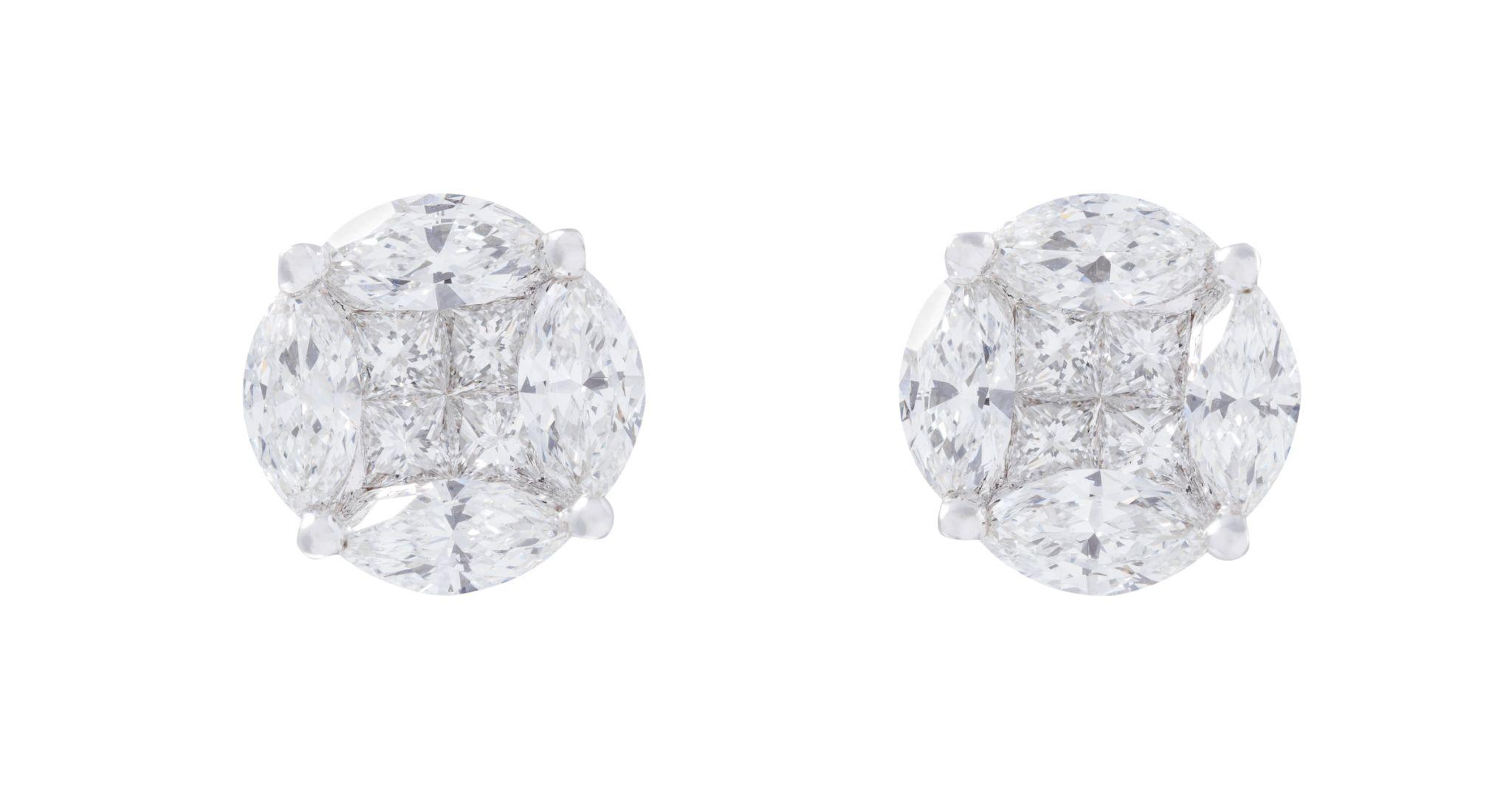
Classic diamond studs
Slim line bracelets with even articulation
Solitaire pendants with minimal prong interference
Balanced solitaire rings with moderate shank thickness
These silhouettes adapt to evolving wardrobes without appearing dated.
Extreme halos, overly intricate galleries, or exaggerated settings may feel tied to a specific period.
Proportion sustains relevance.


Durable Construction
Aging gracefully requires physical resilience.
Inspect for
Adequate shank thickness to resist thinning
Even, well-secured prongs
Reinforced jump rings in necklaces
Box clasps with safety mechanisms for bracelets
Lightweight, hollow structures may distort over time.
Solid engineering protects both form and function.
Metal Patina and Maintenance
Metals evolve.
Platinum develops a soft patina that can enhance character. Gold alloys may show minor surface wear depending on karat composition.
Well-finished surfaces and appropriate thickness allow for polishing without compromising integrity.
Maintenance should restore refinement, not compensate for structural weakness
Emotional Longevity
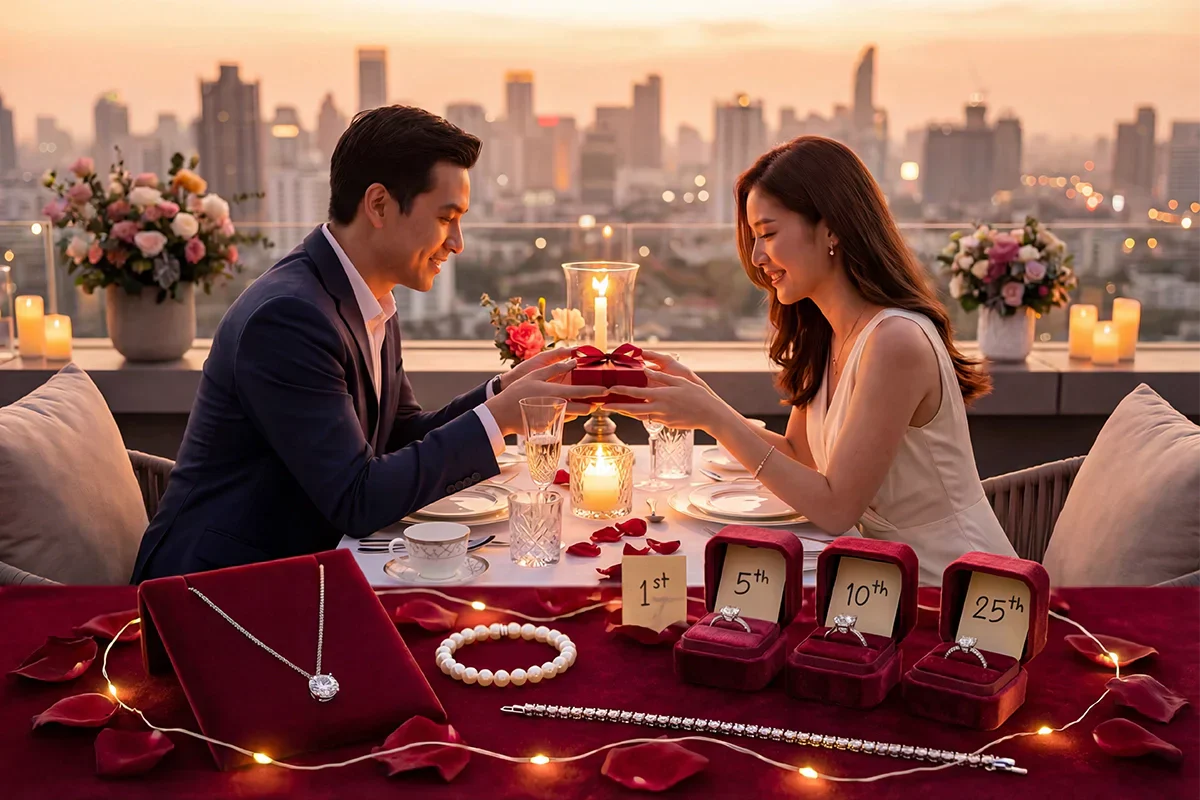
Jewelry that ages gracefully often marks milestones.
Designs with measured scale and neutral metal tones:
Integrate into multiple life stages
Layer naturally with new acquisitions
Maintain visual authority over time
Excessive trend-driven embellishment limits versatility
Consistency deepens meaning.
Proportion Stability
Scale that feels balanced today should remain balanced years later.
Maintain:
Diamond size proportionate to finger width
Earring diameter aligned with facial structure
Bracelet width suitable for wrist circumference
Oversized pieces risk feeling disproportionate as style evolves.
Moderation ensures continuity.
Light Performance Over Time
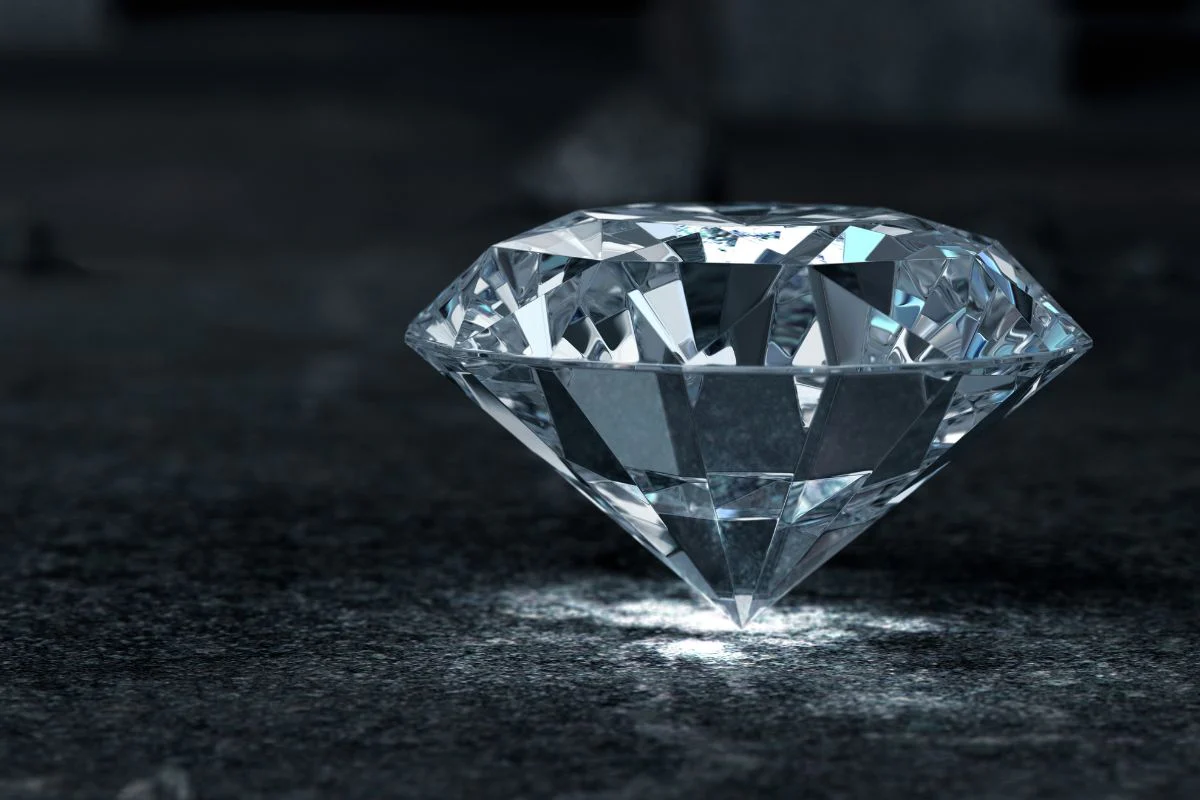
Well-cut diamonds retain brilliance even as lighting environments change.
Balanced crown and pavilion angles:
Preserve contrast pattern
Maintain brightness in diffused settings
Display fire under warm light
Poorly proportioned stones may appear dull once novelty fades.
Cut precision endures.
Structural Adaptability
Jewelry that ages gracefully can be resized, refinished, or subtly updated without compromising its identity.
Strong foundational construction allows:
Ring resizing
Prong retipping
Polishing and maintenance
Engineering flexibility supports generational longevity.
Frequently Asked Questions
What makes jewelry timeless?
Disciplined proportion and clean silhouettes.
Do halos age poorly?
Heavy or ornate halos may feel period-specific.
Is platinum better for longevity?
It is durable, though construction quality remains primary.
Can larger diamonds age gracefully?
Yes, if proportionate to the wearer.
Does metal color affect aging?
Neutral tones often integrate more easily over time.
Should I avoid trend pieces entirely?
Trend pieces can exist, but foundation pieces should remain classic.
How often should aging jewelry be inspected?
Annually for prongs and structural wear.
Does cut precision matter long term?
Yes. Balanced sparkle remains satisfying over decades.
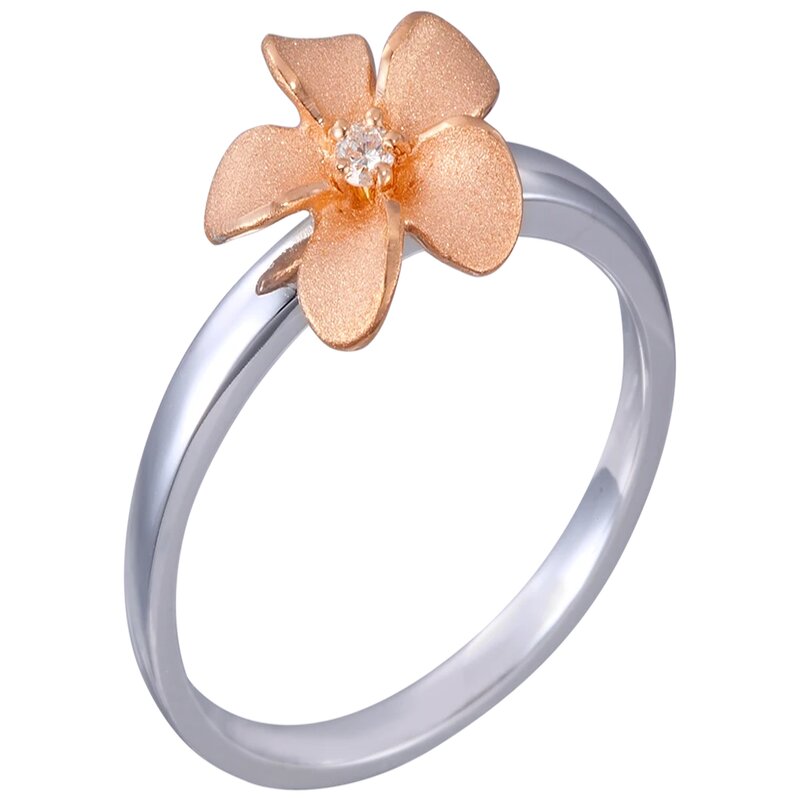
14K 2/TONE 10MM PLUMERIA RING WITH SAND BLAST FINISH, WITH DIAMOND .03CT WITH HEAVY SHANK (WHITE GOLD SHANK, ROSE GOLD FLOWERS).
The jewelry, inspired by the elements of nature, makes for a timeless gift.
Dolphin Galleries brings you these opulent Hawaiian charms at affordable prices.