

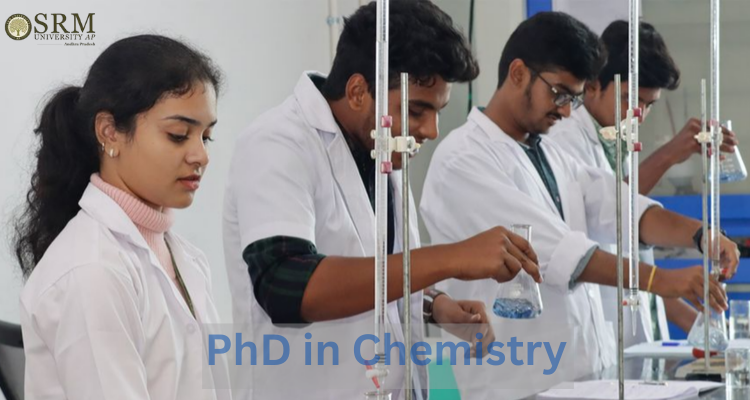
For many chemistry graduates, the decision to move into research does not happen overnight. It develops gradually through lab work, academic curiosity and the desire to understand chemical processes beyond surface level learning. At the same time, confusion around eligibility exams, research expectations as well as long term commitment often creates hesitation. This is where clarity becomes essential. For students who genuinely enjoy investigation and critical thinking, a PhD in Chemistry represents a structured way to turn curiosity into a meaningful academic and professional path.
Rather than being just another qualification, doctoral research reshapes how you think and work. It trains you to question existing knowledge, design experiments independently and communicate findings with confidence. Exams like UGC NET and CSIR NET play an important role, but they are only the starting point of a much larger research journey.
How National Exams Shape the Entry Route
UGC NET and CSIR NET serve as gateways for students seeking to enter doctoral research in India. These exams test conceptual understanding and research aptitude rather than rote learning. Clearing them improves admission prospects and also makes candidates eligible for fellowships.
Once qualified, universities assess applicants through interviews and academic records. At this stage, a clear research interest matters more than perfect answers. The transition into a PhD in Chemistry begins here, where learning becomes self driven and research focused rather than syllabus bound.
What the Research Journey Demands from Students
Doctoral research brings a shift in academic responsibility. There are fewer structured classes and more independent exploration. Students are supposed to read widely, critically analyse data and be consistent even when it takes time to get results.
This stage has been known to be a test of patience and discipline. Nevertheless, it contributes to resilience and confidence as well. With time, researchers get to deal with disappointments, improve their concepts and own their work, one of the elements that determines a successful PhD in Chemistry experience.
Key Academic Elements You Should Be Aware Of
While research dominates doctoral studies, certain academic components support the process. Understanding them early helps students prepare mentally and academically.
Before describing these elements, it is worth noting that they are intended to strengthen research, not limit it.
- The PhD in Chemistry duration typically spans several years and depends on research progress rather than fixed semesters.
- The PhD in Chemistry syllabus focuses on advanced concepts and research methodology instead of repeating postgraduate topics.
- Coursework is usually limited to the initial phase and aligns closely with the chosen research area.
All this is assembled to form a flexible framework that allows in depth research without excessive academic stress.
Financial Planning During Doctoral Studies
The intellectual work of research is challenging and financial stability makes a significant contribution in maintaining motivation. The majority of students depend on fellowships, which provide basic living expenses and allow them to focus on their research.
Students are supposed to understand how costs and funding usually work before proceeding.
- The PhD in Chemistry fees vary across institutions, with public universities generally charging minimal tuition.
- Fellowship support often offsets most academic expenses for qualified candidates.
With proper planning, financial concerns rarely become a barrier during doctoral research.
Career Outcomes Beyond the Degree
Completing a PhD in Chemistry does not limit you to academic teaching roles. It is common to see research scholars relocating to industrial research, pharmaceutical, chemical production, data analysis and interdisciplinary innovation. The doctoral experience enhances good analytical and problem solving skills which are useful in any sector.
Other graduates remain in academia, with others venturing into industry or policy related careers. What matters most is how effectively you apply the research mindset developed during your doctoral journey.
Conclusion
A PhD in Chemistry is a long term commitment that demands curiosity, patience and self discipline. From passing national exams to doing independent research, each of these steps is an intellectual and professional development.
Although the path is not easy, it is not without its rewards and one can discover the freedom to explore thoughts and make a lasting contribution to science. For a student with a discovery orientation and a long term learning approach, doctoral research can be a memorable and fulfilling period in their academic life.