






Brian Caper is an experienced economic development leader with nearly 15 years of experience in city planning and public projects. He has guided major redevelopment efforts, managed large budgets, and supported strong partnerships that improve communities. Brian Caper explains 7 clear steps to improve local infrastructure planning. The focus is on practical actions that cities can take to plan roads, utilities, public facilities, and other essential systems in a smarter way. The steps highlight the importance of long-term vision, teamwork, financial responsibility, and careful project management. The goal is to help communities build infrastructure that supports growth, stability, and a better quality of life.
1. Conduct a Full Community Needs Assessment
Effective planning begins with understanding what the community truly needs. A detailed assessment should review housing growth, traffic flow, school capacity, healthcare access, utility demand, and public safety requirements. This process helps identify service gaps and areas under pressure. It ensures that projects are based on real demand instead of assumptions. A strong needs assessment also prevents overbuilding or underbuilding, both of which can create financial strain. Careful review of current and future needs provides a solid foundation for better decisions.
2. Coordinate Land Use and Infrastructure Together
Land use planning and infrastructure planning should move in the same direction. When zoning decisions are made without considering infrastructure capacity, cities often face congestion and service shortages. Aligning development approvals with available utilities, transportation access, and drainage systems ensures smoother growth. This coordination also helps prevent costly upgrades later. Integrated planning supports balanced expansion and protects long-term financial stability.
3. Set Clear Project Priorities
Not all infrastructure projects can be completed at once. Cities must rank projects based on urgency, safety impact, economic benefit, and community value. Creating a clear priority system helps leaders focus on high-impact investments first. It also improves transparency and builds public trust. When residents understand why certain projects move forward before others, confidence in local leadership increases. Strong prioritization keeps infrastructure programs organized and manageable.
4. Improve Internal Government Coordination
Infrastructure planning often involves multiple departments such as public works, finance, transportation, housing, and environmental services. Lack of coordination can lead to delays and higher costs. Regular communication between departments ensures that projects are aligned and resources are shared efficiently. Joint planning sessions and shared data systems reduce duplication and improve timelines. Better internal coordination strengthens overall project delivery and improves results.
5. Strengthen Risk Management Practices
Infrastructure projects carry risks such as cost increases, construction delays, supply shortages, and regulatory changes. Strong risk management reduces the chance of unexpected problems. Cities should evaluate potential risks before starting major projects. Creating backup plans and flexible budgets helps manage uncertainty. Careful contract management also protects public funds. When risks are identified early, projects move forward with greater confidence and stability.
6. Encourage Innovation and Smart Technology
Modern infrastructure planning benefits from new technology and innovative design. Smart traffic systems, digital utility monitoring, and automated data collection improve efficiency and reduce operating costs. Technology can also provide real-time information about system performance. This allows faster repairs and better service management. Smart solutions make infrastructure more adaptable and responsive to community needs. Encouraging innovation keeps cities competitive and forward-thinking.
7. Develop a Clear Implementation Timeline
Planning does not end with project approval. A detailed timeline is necessary to guide construction phases, budget cycles, inspections, and final delivery. Breaking projects into clear stages helps manage progress and maintain accountability. Milestones allow leaders to track performance and adjust when needed. A realistic timeline prevents rushed decisions and ensures that infrastructure projects are completed in a structured and responsible manner.
Conclusion
Improving local infrastructure planning requires organization, discipline, and long-term thinking. By conducting strong needs assessments, coordinating land use, setting clear priorities, improving internal collaboration, managing risks, adopting technology, and following structured timelines, communities can build infrastructure systems that are reliable and future-ready. Thoughtful planning supports economic growth, protects public resources, and improves everyday life. With careful preparation and steady execution, local governments can create infrastructure that serves communities effectively for many years.




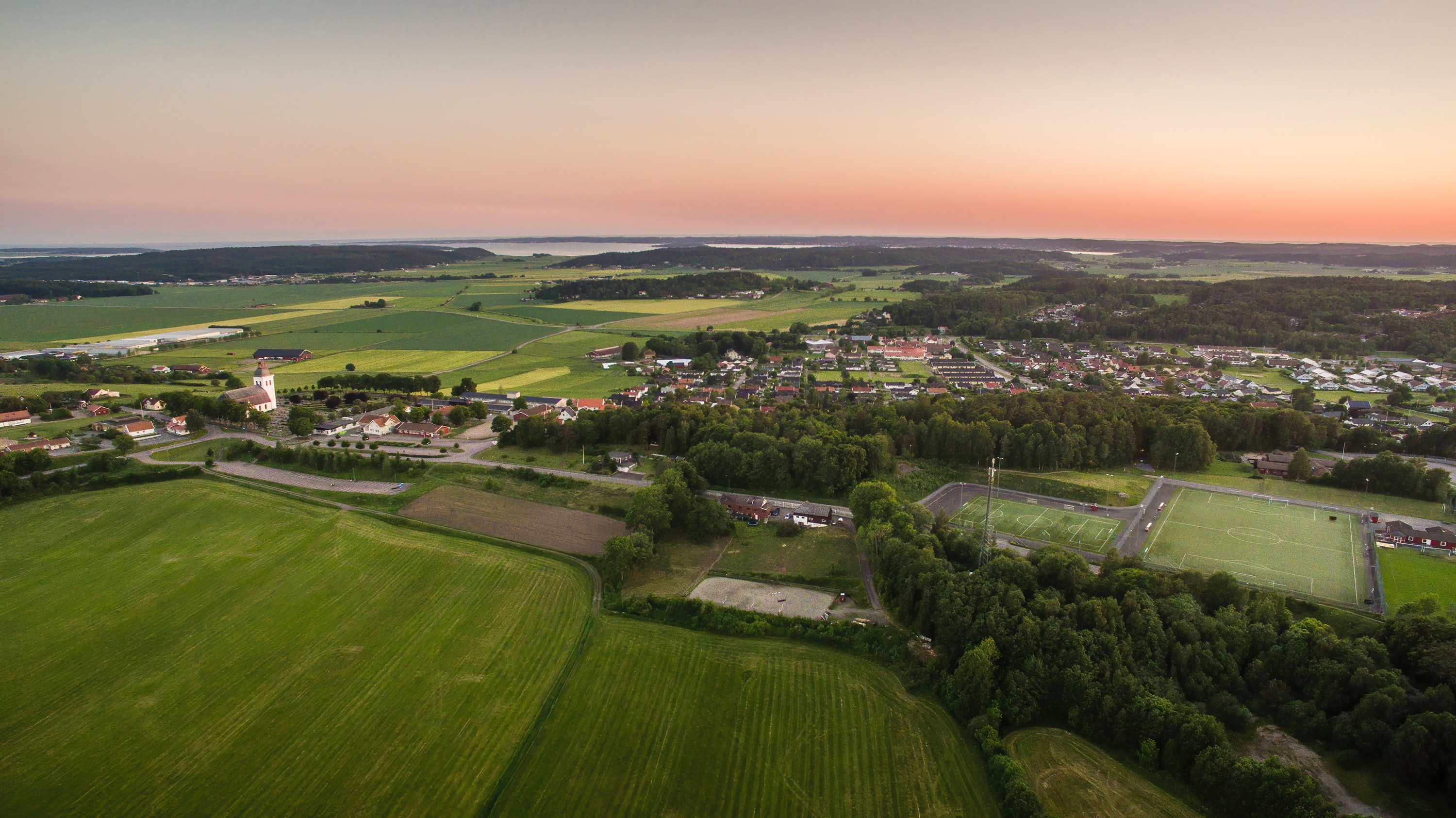

Structure and maintenance of roads may generate job chances.
Roads carry 85% of their passengers along with 70 percent of the country's cargo traffic.
The highways, constitute just 2 percent of their street network in span, but take 40 percent of the traffic.
Visit to http://www.newroadtransport.com/ for more infoemation about new road development planning in india.