


Machines are the backbone of every industry. From manufacturing plants and construction sites to power stations and transport systems, machines work continuously to keep operations running. But just like the human body needs water and proper care, machines need the right lubrication to perform efficiently.
In this article, we will understand what Industrial Lubricants are, how they work, their different types, and how to choose the right one for your machinery. We will also talk about trusted brands like HPCL Lubricants and how proper Industrial Lubrication improves machine life.
What Are Industrial Lubricants?
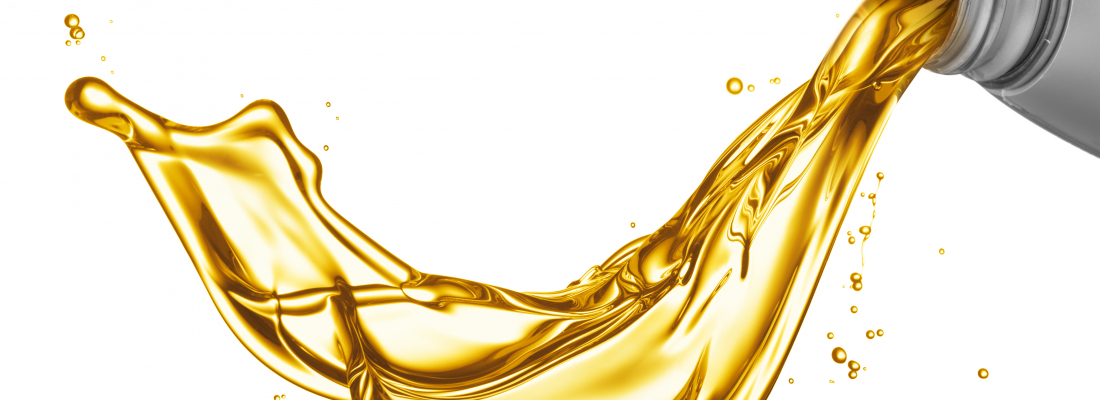
Industrial Lubricants are oils, greases, or other substances used to reduce friction between moving parts in machinery. When machine components move against each other, friction is created. This friction generates heat and causes wear and tear. Over time, it can damage the equipment.
Industrial Lubrication helps by forming a thin protective layer between the moving parts. This layer:
- Reduces friction
- Minimizes wear and tear
- Prevents overheating
- Protects against rust and corrosion
- Improves machine efficiency
Without proper lubrication, machines can fail unexpectedly, leading to costly repairs and downtime.
How Do Industrial Lubricants Work?
To understand how Industrial Lubricants work, imagine two metal surfaces rubbing against each other. Direct contact creates high friction and heat. When a lubricant is applied, it forms a film between the surfaces. This film prevents direct metal-to-metal contact.
Here’s how they function:
1. Friction Reduction
The lubricant creates a smooth sliding surface between parts. This reduces resistance and allows components to move easily.
2. Heat Dissipation
During operation, machines generate heat. Lubricants absorb this heat and carry it away from critical parts, preventing overheating.
3. Wear Protection
The protective film reduces surface damage and extends the lifespan of components.
4. Corrosion Prevention
Lubricants protect metal surfaces from moisture and air, preventing rust formation.
5. Contaminant Removal
Some lubricants help trap dust, dirt, and metal particles and carry them away from sensitive components.
This is why proper Industrial Lubrication is not optional—it is essential.
Types of Industrial Lubricants
Different machines have different requirements. That’s why there are various types of Industrial Lubricants available.
1. Industrial Oils
These are the most common types of lubricants used in industries. They are usually liquid and flow easily.
Hydraulic Oils
Used in hydraulic systems to transfer power. They also lubricate and cool the system. These are widely used in construction equipment, presses, and industrial machinery.
Gear Oils
Designed for gearboxes and transmission systems. They protect gears from heavy loads and high pressure.
Compressor Oils
Used in air compressors. They lubricate internal components and ensure smooth operation.
Turbine Oils
Used in steam and gas turbines. They help in cooling and reducing friction.
2. Industrial Greases
Grease is a semi-solid lubricant. It stays in place longer compared to oils, making it suitable for heavy-load and low-speed applications.
Greases are commonly used in:
- Bearings
- Chassis parts
- Heavy machinery joints
They offer strong adhesion and excellent protection against water and contamination.
3. Dry Lubricants
Dry lubricants are used where liquid oils or grease cannot be applied. They are useful in high-temperature environments or dusty conditions.
Examples include graphite and molybdenum disulfide-based lubricants.
4. Penetrating Lubricants
These are used to loosen rusted or stuck parts. They penetrate small gaps and reduce friction.
Applications of Industrial Lubricants
Industrial Lubricants are used in many sectors, including:
- Manufacturing industries
- Construction equipment
- Mining operations
- Power plants
- Steel and cement industries
- Agriculture machinery
Every industry depends on proper Industrial Lubrication to maintain productivity and efficiency.
Factors to Consider When Choosing Industrial Lubricants
Choosing the right lubricant is very important. Here are some key factors to consider:
1. Temperature
Machines working at high temperatures need lubricants that can withstand heat without breaking down.
2. Load Conditions
Heavy-load machinery requires lubricants with high load-bearing capacity.
3. Speed
High-speed machines need lubricants that can maintain stability at higher RPMs.
4. Environment
Dusty, wet, or chemical environments require special lubricants for protection.
5. Compatibility
The lubricant must be compatible with machine materials and seals.
Consulting experts or trusted brands like HPCL Lubricants can help in selecting the right product for your equipment.
HPCL Lubricants and Industrial Solutions
When it comes to reliable lubrication solutions in India, HPCL Lubricants is a well-known name. They offer a wide range of HPCL industrial lubricants designed for various industries.
HPCL industrial lubricants are formulated to:
- Handle extreme operating conditions
- Provide long service life
- Offer superior protection
- Improve operational efficiency
Industries prefer trusted brands because high-quality lubricants ensure better performance and long-term savings.
Proper Handling and Storage of Industrial Lubricants
To maintain the quality of Industrial Lubricants:
- Store in a cool and dry place
- Keep containers tightly sealed
- Avoid mixing different types of lubricants
- Use clean tools while handling
- Follow manufacturer guidelines
Good storage practices ensure that the lubricant maintains its properties.
Conclusion
Industrial Lubricants are the lifeline of machinery. They reduce friction, prevent wear and tear, control temperature, and protect against corrosion. Without proper Industrial Lubrication, machines can fail quickly, leading to high maintenance costs and production losses.
Understanding the types, uses, and working of Industrial Lubricants helps industries choose the right product for their needs.Trusted brands like HPCL Lubricants and reliable suppliers like Lube Tradeways offer dependable lubrication solutions for various industrial applications. Choosing the right partner ensures you get genuine products, expert guidance, and consistent performance.
If you want your machines to run smoothly, efficiently, and for a longer time, investing in the right Industrial Lubricants is a smart decision. Proper lubrication is not just maintenance—it is protection for your machinery and your business.