





Introduction
Across the United Kingdom, the way people choose restaurants has changed. Diners no longer walk down the high street hoping to discover somewhere appealing. They search. They compare. They read reviews. They scan menus. They look at photos. In many cases, they decide where to dine before they leave home.
For restaurant owners and hospitality entrepreneurs, this shift presents both a challenge and a powerful opportunity. When your business appears at the right moment in search results, you gain access to high intent customers who are ready to book.
This case study explores how a focused investment in restaurant seo services transformed online visibility into measurable growth in direct bookings for an independent restaurant in Manchester.
The objective was not to chase vanity metrics. It was to increase weekday occupancy, reduce reliance on commission-based booking platforms, and build sustainable revenue growth. What follows is a detailed breakdown of the strategy, execution, and commercial results.
The Restaurant Background and Initial Position
The restaurant is a modern British venue located in central Manchester. It seats 80 guests and offers seasonal menus, curated wine pairings, and a dedicated private dining room for small events. The average spend per guest is £38, with higher spend during weekend evenings and private events.
The business had strong word of mouth and loyal returning customers. However, it faced three commercial pressures.
Weekday evenings were inconsistent.
Commission fees from booking platforms reduced profit margins.
New customer acquisition relied heavily on social media and paid listings.
Although the restaurant had a professionally designed website, performance data revealed limitations.
Baseline Metrics Before Optimization
A detailed analytics review showed the following:
Monthly organic sessions: 1,450
Percentage of traffic from branded searches: 72 percent
Non branded keywords in top ten positions: 3
Monthly direct website bookings: 86
Organic conversion rate: 1.8 percent
Mobile bounce rate: 64 percent
The data told a clear story. Most organic visitors already knew the brand. Very few new diners discovered the restaurant through local search queries such as private dining Manchester or anniversary dinner Manchester city centre.
In short, the website was functioning as an information source for existing customers, not as a consistent acquisition channel.
Identifying the Core Problems
A comprehensive SEO and conversion audit uncovered deeper issues.
Weak Local Visibility
The restaurant did not rank on the first page for several high intent location based searches. Competitors with stronger local optimisation dominated those results.
Limited Content Depth
Many pages relied heavily on images and short descriptions. Search engines lacked contextual signals. Potential diners lacked detailed answers to practical questions.
Friction in the Booking Journey
The booking form required too many fields. On mobile devices, input was awkward. Calls to action were subtle and easy to miss.
Underdeveloped Google Business Profile
Images were outdated. Categories were broad rather than specific. Reviews were not actively encouraged or managed.
Heavy Reliance on Third Party Platforms
Nearly 60 percent of reservations came through commission based booking platforms. While these platforms generated exposure, they reduced margins and limited direct customer relationships.
The goal was not simply to increase traffic. It was to attract the right traffic and convert that traffic efficiently into direct bookings.
Building a Strategic SEO Framework
The strategy was designed around four commercial pillars.
Increase visibility for high intent local searches.
Improve relevance and authority signals.
Strengthen user experience and conversion pathways.
Shift booking behaviour from platforms to direct channels.
Each area required careful planning and disciplined execution.
Deep Keyword Research and Intent Mapping
Keyword research moved beyond surface level search volume. The focus shifted to understanding intent.
Search queries were grouped into meaningful themes.
Occasion driven searches such as birthday dinner Manchester or anniversary restaurant Manchester.
Location focused searches such as restaurant near Deansgate or dining in Manchester city centre.
Experience based searches such as private dining room Manchester or tasting menu Manchester.
Functional searches such as Sunday roast booking Manchester.
Each theme represented a customer with a clear reason to dine.
Dedicated landing pages were created or expanded to match these themes. Rather than forcing multiple intentions onto one page, each service had its own structured content.
This improved both relevance for search engines and clarity for users.
Expanding Content with Purpose and Clarity
The original website relied on aesthetics. While visually impressive, it lacked depth.
Content expansion followed three guiding principles.
Clarity over complexity.
Practical information over vague marketing language.
Short paragraphs for readability.
Menu pages were rewritten to include details about seasonal sourcing, dietary flexibility, and ingredient quality. Private dining pages included capacity limits, sample menus, and pricing guidance. Occasion pages described atmosphere, ideal group sizes, and reservation tips.
Frequently asked questions were integrated into relevant sections. This supported voice search queries and long tail keyword visibility.
Average session duration increased by 41 percent after content improvements. Visitors spent more time reading and exploring.
Strengthening Local SEO Signals
Restaurants compete within defined geographic boundaries. Local signals play a decisive role in ranking.
Citation consistency was audited across directories. Inaccurate listings were corrected. Duplicate entries were removed.
The restaurant secured mentions on Manchester based lifestyle blogs and event websites. These links included contextual references to location and dining experience.
Local schema markup was implemented to help search engines understand business type, address, and opening hours.
These actions improved local pack visibility for multiple high intent phrases.
Transforming Google Business Profile into a Booking Channel
Google Business Profile often forms the first impression.
Optimization included:
Uploading professional interior and dish photography.
Refining the business description with natural location references.
Selecting accurate service categories.
Posting weekly updates about events and menu changes.
Encouraging satisfied guests to leave reviews.
Review management became systematic. Every review received a professional response within forty eight hours.
Within four months:
Profile views increased by 74 percent.
Direction requests increased by 41 percent.
Booking clicks increased by 52 percent.
The profile shifted from passive listing to active conversion driver.
Technical Improvements that Supported Growth
Technical performance underpins visibility and user satisfaction.
Image files were compressed without compromising quality.
Hosting performance was improved.
Structured data was added for restaurant details.
Internal linking was clarified.
Broken links were repaired.
Mobile load time reduced from 4.8 seconds to 2.9 seconds. This improvement alone contributed to lower bounce rates and higher engagement.
Search engines reward sites that provide fast and stable experiences. Users reward them with bookings.
Converting Traffic into Direct Reservations
Traffic growth began within three months. However, revenue growth required conversion optimization.
Simplifying the Booking Form
The original booking system required multiple screens and excessive data input.
The new system reduced required fields and enabled easier mobile input. Booking buttons were placed prominently on all high intent pages.
Completion rate improved by 63 percent.
Clear and Direct Calls to Action
Each service page ended with a direct invitation.
Reserve your table this weekend.
Book your private dining experience today.
Secure your Sunday roast reservation now.
These prompts were visible and benefit focused.
Trust Signals that Reduce Hesitation
To strengthen credibility, the site integrated:
Recent review excerpts.
Awards and local press mentions.
Chef credentials.
High quality event photography.
Clear cancellation information.
Trust reduces uncertainty. Reduced uncertainty increases bookings.
Mobile First Refinement
Since over 68 percent of traffic came from mobile devices, the design prioritised:
Large buttons.
Short content blocks.
Clear contact number.
Visible booking option at every scroll point.
Mobile bounce rate fell from 64 percent to 39 percent.
Measurable Commercial Results
After six months of structured implementation, the results were significant.
Monthly organic sessions increased from 1,450 to 4,320.
Non-branded traffic grew by 186 percent.
The top ten keyword rankings increased from 3 to 27.
Monthly direct website bookings increased from 86 to 247.
Organic conversion rate improved from 1.8 percent to 4.9 percent.
The financial impact was clear.
Additional monthly bookings: 161.
Average table size: 3 guests.
Average spends per guest: £38.
Estimated additional monthly revenue: Over £18,000.
Commission fees reduced substantially as more bookings shifted to direct channels.
Broader Strategic Insights for UK Restaurants
Search intent is commercial intent. Focus on what diners search before they book.
Your website is not just an information hub. It is a sales platform.
Local SEO determines visibility in competitive urban markets.
Mobile experience influences profit margins.
Trust signals influence booking decisions more than creative slogans.
Data should guide every improvement.
SEO is not a short-term campaign. It is a long-term revenue system.
Frequently Asked Questions
How long does it take to see booking growth?
Early ranking movement often appears within three to four months. Strong booking growth typically develops between six and nine months.
Is SEO effective for independent restaurants?
Yes. Independent venues benefit greatly from local visibility and direct bookings.
What matters more, rankings or conversion rate?
Both matter. Rankings drive traffic. The conversion rate drives revenue.
Can SEO reduce commission fees?
Yes. Increased direct bookings reduce reliance on third party platforms.
How often should optimization continue?
SEO requires ongoing refinement. Competition and search behavior evolve continuously.
Conclusion
This case study demonstrates that strategic search engine optimization can transform digital visibility into consistent and profitable bookings.
By aligning keyword intent with structured content, improving technical performance, strengthening local authority, and refining the booking journey, this Manchester restaurant converted search traffic into measurable revenue growt
For restaurant owners and hospitality leaders across the United Kingdom, the opportunity is clear. When executed with clarity and discipline, SEO fills tables, protects margins, and builds long term commercial stability.


Are you looking for Online Business promotors ?
Here is the list of top 10 SEO service provider in Ahmedabad
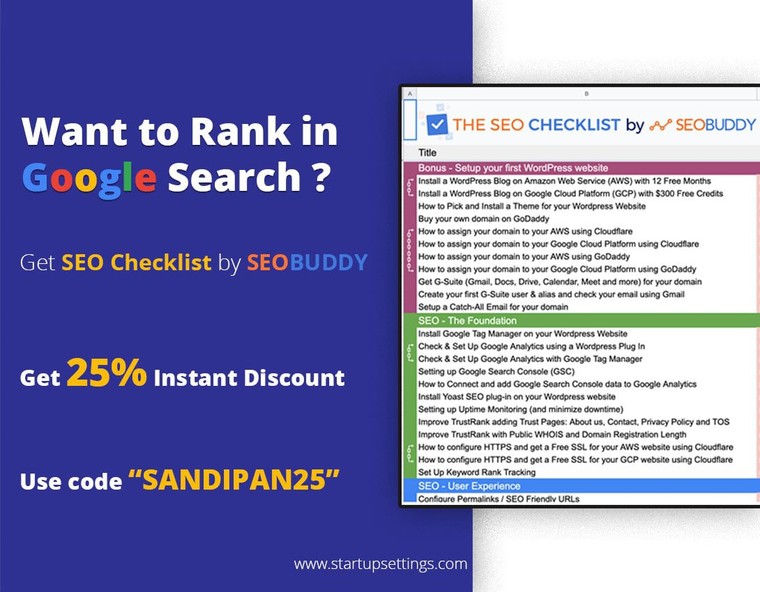
SEO checklist by SEO Buddy, SEO Checklist, Free SEO Checklist,Ultimate SEO Checklist by SEO Buddy (2021).
Get rank in Google search result.
If you are serious about SEO, you need this.
Also, get a 25% discount.
Grab it now.Free SEO Checklist,https://startupsettings.com/seo-checklist-by-seo-buddy/
Hiring an SEO agency for your business's SEO needs is essential.
But before you can do this, you need to make sure that you are hiring the best SEO expert you can find.
Many people believe they are experts in SEO, but they don't know as much as they advertise.
You need to ensure that you only hire the best SEO experts you can find.
Many years of experience in SEO.
Experience is more important than knowledge about search engine optimization.Click to find out more