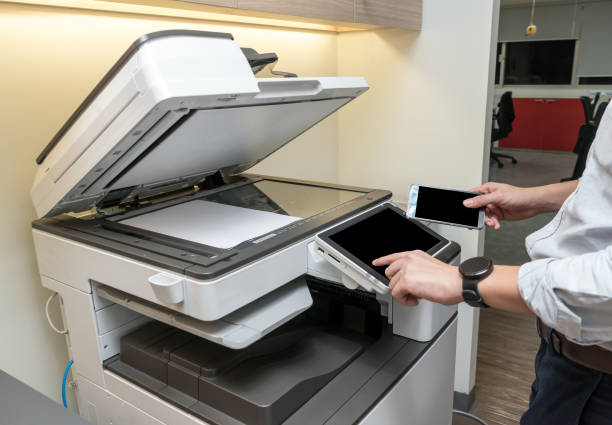
In most modern workplaces, printing isn’t just about putting ink on paper anymore. It’s a business process — one that carries costs, time, security, and environmental implications. Yet, many organizations still rely on traditional print management methods that limit visibility, control, and accountability.
Enter PaperCut MF, a specialized print and copy management solution designed to address those limitations and deliver measurable cost savings and operational efficiency. But how does PaperCut MF stack up against the traditional way of managing printers — and why are so many organizations switching?
1. The Fundamentals: Traditional vs Modern Print Management
Traditional Print Management
Traditional print management often means:
• Manual setup of print drivers on individual machines
• Standalone print servers with limited centralized monitoring
• Little to no enforcement of print policies
• Basic cost allocation or tracking via invoices from copier leases
• Users sending print jobs and hoping for the best
In this model, IT teams react to issues rather than prevent them. Users waste time finding the right printer or dealing with jammed queues, and poor visibility makes cost control almost impossible.
PaperCut MF Print Management
PaperCut MF transforms printing by centralizing and automating core processes:
• Automated queue and driver deployment
• Rules-based printing (duplex, color limits, quotas)
• Secure release and user authentication
• Detailed cost tracking and reporting
• Mobile and BYOD printing support
• Integration with directory services and cloud platforms
This approach turns print management from a fragmented administrative burden into a controlled, efficient service across the entire organization.
2. Cost Comparison: PaperCut MF vs Traditional Methods
Uncontrolled Printing Costs Under Traditional Methods
In traditional setups, many print costs are hidden or overlooked:
• Excessive printing due to no quotas or restrictions
• Uncollected print jobs are wasting paper and toner
• Color printing default settings are increasing the consumables cost
• Limited tracking of who prints what, causing unclear budget allocations
• Printer misuse and inefficient job routing
Without centralized cost data, businesses cannot accurately measure or optimize expenses. In such cases, print budgets balloon without any insight into why or how.
Cost Savings with PaperCut MF
PaperCut MF software gives visibility and control back to IT and finance teams. The cost benefits include:
Print Waste Reduction
PaperCut allows administrators to enforce double-sided (duplex) printing, restrict color printing, and set quotas — features that have helped organisations cut print waste by significant margins. Many enterprises report up to 30% lower print costs simply through policy enforcement and usage data insights.
Fewer Consumables Used
With rules in place, toner and paper usage drop. Restricting color printing to specific roles or departments reduces costly consumables use.
Manage Print Devices Efficiently
PaperCut’s rules can automatically route large print jobs to high-capacity, cost-efficient printers — reducing wear on expensive devices and minimizing overall printing expense.
Accountability and Cost Recovery
Tracking per-user, department, or project printing allows organisations to allocate costs precisely rather than absorb them into general overhead.
Lower Long-Term IT Costs
Centralized management means fewer help desk calls and less time spent troubleshooting printer issues manually. IT staff can invest time in strategic initiatives instead of printer queue problems.
3. Efficiency and Productivity Gains
Traditional Print Management Challenges
Traditional print environments often cause operational friction:
• Users manually select printers and install drivers
• Printer queues are managed separately by departments
• Unclaimed print jobs accumulate in trays
• IT teams lack visibility into device usage, errors, and consumable levels
These issues slow down workflows, frustrate staff, and create avoidable interruptions. In many workplaces, users waste substantial time walking to printers only to find errors or incorrect output.
Efficiency Boosts With PaperCut MF
PaperCut MF enhances efficiency dramatically in several areas:
Follow-Me Printing
Also known as ‘Find-Me’ printing, this feature allows users to send a job to a virtual queue and then release it at any available printer. This reduces idle waiting time and printer queue backups.
Centralized Management Dashboard
IT teams gain a single pane of glass view of all print devices, jobs, and users. Administrators can quickly spot issues, adjust policies, or balance the printer load without walking to each device physically.
Automated Driver Deployment
PaperCut can deploy the right drivers and queues automatically to users based on role or location — eliminating repetitive manual setup.
Mobile and Hybrid Work Support
Employees can print securely from laptops, smartphones, tablets, and remote locations — a capability traditional print systems lack, especially in hybrid or BYOD work environments.
All these improvements add up to a smoother experience for staff and allow IT teams to work proactively rather than reactively.
4. Security and Compliance: A Hidden Cost Factor
Traditional Print Risks
Traditional printing practices can expose organizations to risks:
• Confidential documents left uncollected in trays
• No audit trail for sensitive prints
• Printer access is uncontrolled and hard to authenticate
These gaps create security vulnerabilities, especially in sectors like finance, healthcare, or legal services where confidentiality is critical.
PaperCut MF Security Strengths
PaperCut MF greatly improves document security:
• User authentication before print release
• Secure print queues with badge or PIN release
• Full audit trails and reporting
• Role-based access controls
These features reduce unauthorized access, enhance compliance, and protect sensitive data — reducing risk-related costs like fines, breaches, and losses.
5. Sustainability and Indirect Cost Benefits
Many organizations now consider sustainability a strategic priority. Traditional print management offers little to support environmental goals.
PaperCut MF, by contrast:
• Tracks environmental impact, such as paper saved
• Encourages responsible printing through awareness features
• Supports eco-friendly printing defaults
These tools don’t just reduce waste — they help meet corporate sustainability targets. Sustainable practices can reduce costs indirectly by lowering resource consumption and aligning with eco-friendly ESG goals.
6. Implementation and Scalability
Challenges With Traditional Systems
Traditional print setups are often siloed — each department manages its printers differently. Scaling such a fragmented environment is costly and chaotic.
Scalable With PaperCut MF
PaperCut MF scales effortlessly — from small offices to global print fleets. It supports tens of thousands of users and integrates with existing infrastructure such as Active Directory and cloud identity providers.
Because it’s platform-agnostic and hardware-neutral, organizations avoid the cost of vendor-locked hardware replacements.
7. Final Verdict: Which Is Better?
In a direct comparison, traditional print management may seem simple but lacks control, visibility, and automation. Its direct costs are often hidden, and it fails to optimize user behavior or device efficiency.
Conversely, PaperCut MF:
✔ Reduces printing costs through policies and usage tracking
✔ Automates print workflows and driver deployment
✔ Improves security and compliance
✔ Increases operational efficiency
✔ Supports mobile and hybrid work environments
✔ Provides centralized, actionable insights
While there is an upfront investment in PaperCut MF licensing and deployment, most organizations quickly recover these costs through waste reduction and efficiency gains — often within the first year of implementation.
Conclusion
Printing may seem mundane, but it impacts budgets, productivity, security, and sustainability. Traditional approaches simply can’t keep up with evolving business demands. PaperCut MF offers an intelligent alternative — aligning cost control with efficient, secure, and flexible print management.
For teams looking to shrink budgets, enhance workflows, and modernize their print environment, transitioning to a comprehensive solution like PaperCut MF isn’t just an upgrade — it’s a smart investment in operational excellence.