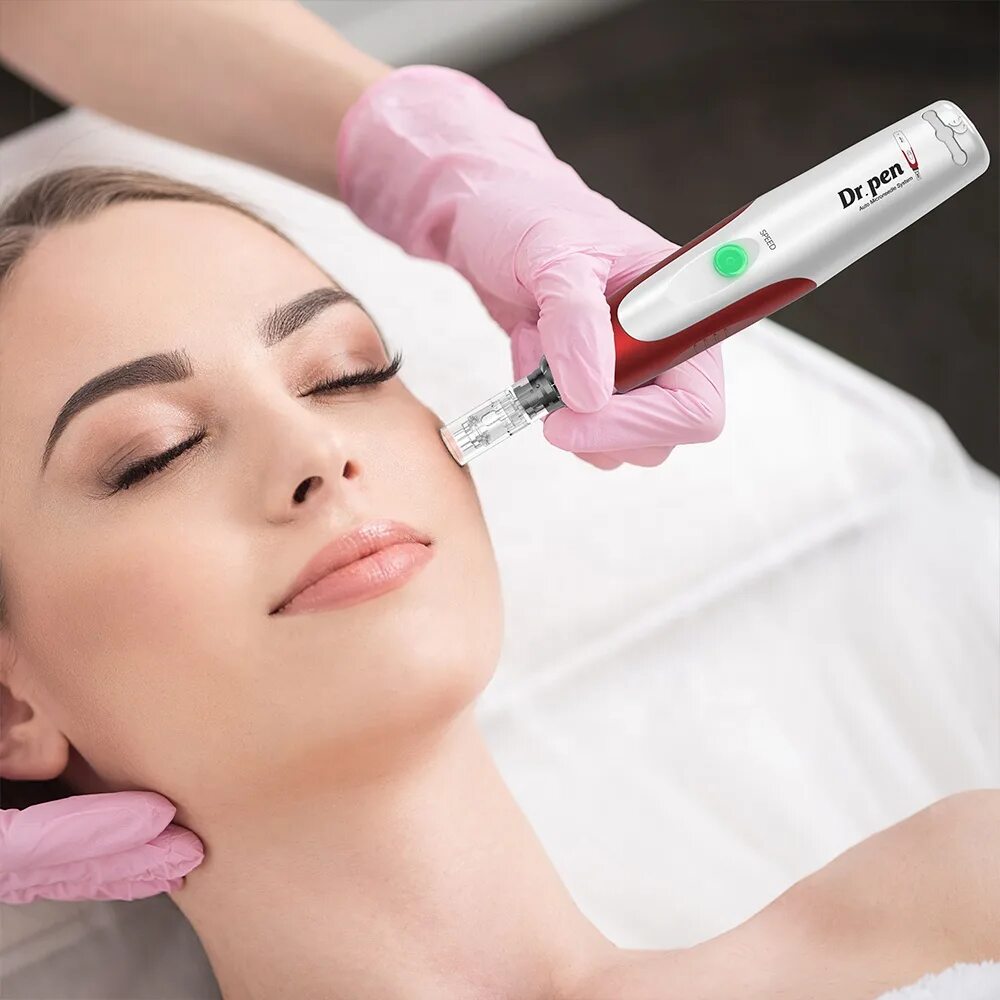
Dermatology is evolving rapidly, driven by scientific innovation, advanced technology, and a growing demand for personalized skin solutions. Patients today are more informed, proactive, and interested in preventive care than ever before. At Dermatech Polyclinic, staying aligned with the latest dermatology trends ensures patients receive modern, safe, and results-driven treatments tailored to their unique skin needs.
This in-depth guide explores emerging trends shaping the future of dermatology and how they enhance both medical and aesthetic skin care.
The Shift Toward Preventive Dermatology:
One of the most significant trends in modern dermatology is prevention rather than correction. Instead of waiting for wrinkles, pigmentation, or chronic conditions to worsen, patients now seek early intervention.
Preventive dermatology focuses on:
• Routine skin screenings
• Early detection of skin cancer
• Sun damage monitoring
• Collagen preservation strategies
• Customized skincare regimens
Early action reduces the need for aggressive treatments later and promotes long-term skin resilience.
Personalization: The Era of Tailored Skin Care
Generic skincare solutions are gradually being replaced by highly personalized treatment plans. Advanced diagnostic tools analyze skin hydration, pigmentation levels, oil production, and sensitivity patterns to create targeted strategies.
Personalized dermatology includes:
• Customized topical treatments
• Skin-type specific laser settings
• Individualized acne management plans
• Targeted anti-aging protocols
By addressing specific skin characteristics, personalized care improves effectiveness while minimizing side effects.
Rise of Non-Invasive and Minimally Invasive Procedures:
Modern patients prefer treatments that deliver visible results without extended downtime. Non-invasive technologies are transforming cosmetic dermatology.
Popular minimally invasive procedures include:
• Laser skin rejuvenation
• Radiofrequency skin tightening
• Microneedling with collagen induction
• Light-based acne therapy
• Chemical peels with controlled depth
These treatments stimulate natural healing processes while allowing patients to quickly resume daily activities.
Technology-Driven Diagnostics and Imaging:
Advanced imaging systems now allow dermatologists to detect underlying skin concerns before they become visible. High-resolution digital analysis reveals:
• Subsurface pigmentation
• Early UV damage
• Collagen breakdown
• Vascular irregularities
• Suspicious mole changes
Technology enhances diagnostic accuracy and enables data-driven treatment planning. This ensures safer and more predictable outcomes.
Artificial Intelligence in Dermatology:
Artificial intelligence (AI) is increasingly being integrated into dermatological diagnostics. AI-powered tools analyze lesion patterns and compare them to extensive medical image databases.
Benefits of AI-assisted dermatology:
• Faster preliminary evaluations
• Improved early detection rates
• Enhanced documentation
• Risk assessment scoring
While AI does not replace clinical expertise, it supports informed medical decisions and early intervention.
Holistic Skin Health and Lifestyle Integration:
Another growing trend is the recognition that skin health is influenced by overall wellness. Dermatology now integrates lifestyle counseling as part of treatment planning.
Holistic strategies include:
• Anti-inflammatory diet recommendations
• Stress management guidance
• Sleep optimization
• Hydration strategies
• Smoking cessation support
By addressing internal factors, dermatologists help improve chronic skin conditions such as acne, eczema, and psoriasis.
Advanced Treatments for Acne and Acne Scars:
Acne management has advanced significantly with combination therapies and technology-based treatments.
Emerging approaches include:
• Laser-assisted acne reduction
• Radiofrequency microneedling for scar repair
• Targeted light therapy
• Customized chemical peel programs
• Hormonal evaluation for persistent adult acne
These advanced methods reduce scarring risk and provide long-term skin clarity.
Focus on Skin Barrier Repair:
Recent research emphasizes the importance of a healthy skin barrier. Over-exfoliation and harsh skincare products have led to increased sensitivity and inflammation.
Modern dermatology promotes:
• Ceramide-rich moisturizers
• pH-balanced cleansers
• Minimalist skincare routines
• Barrier-strengthening treatments
Protecting the skin barrier reduces irritation, improves hydration, and enhances treatment outcomes.
Regenerative Dermatology and Collagen Stimulation:
Collagen loss contributes to wrinkles, sagging, and texture changes. Regenerative dermatology focuses on stimulating natural collagen production rather than relying solely on fillers.
Innovative collagen-boosting treatments include:
• Microneedling
• Platelet-rich plasma (PRP) therapy
• Fractional laser resurfacing
• Radiofrequency energy devices
These treatments offer gradual, natural-looking rejuvenation.
Customized Anti-Aging Protocols:
Anti-aging care is no longer limited to wrinkle reduction. Modern strategies address:
• Pigmentation control
• Skin elasticity
• Volume restoration
• Texture improvement
• Preventive collagen maintenance
Starting preventive treatments earlier produces more subtle and long-lasting improvements.
Increased Awareness of Skin Cancer Screening:
Public awareness about skin cancer has grown significantly. Routine skin checks are becoming a standard recommendation, especially for individuals with high sun exposure or a family history of melanoma.
Regular screenings help:
• Detect suspicious lesions early
• Monitor mole changes
• Prevent advanced-stage skin cancer
• Reduce treatment complexity
Early detection dramatically improves treatment success rates.
Growth of Medical-Grade Skincare Products:
Dermatologist-recommended skincare products are gaining popularity due to their evidence-based formulations and clinically proven ingredients.
Medical-grade skincare often includes:
• Prescription-strength retinoids
• Stabilized Vitamin C serums
• Advanced sunscreen formulations
• Targeted pigmentation correctors
These products complement in-clinic treatments and enhance long-term results.
Enhanced Patient Education and Digital Monitoring:
Technology has improved patient communication and follow-up care. Digital photography and imaging systems track progress over time, providing measurable evidence of improvement.
This approach:
• Increases patient trust
• Encourages treatment adherence
• Allows timely adjustments
• Improves overall satisfaction
Clear visual progress strengthens commitment to long-term skin care.
Sustainability and Skin-Conscious Choices:
An emerging trend in dermatology includes eco-conscious product selection and sustainable skincare practices. Patients are increasingly aware of ingredient safety and environmental impact.
Dermatologists guide patients toward:
• Non-irritating formulations
• Minimalist skincare routines
• Safe, dermatologically tested products
• Avoidance of harmful additives
This supports both skin health and environmental responsibility.
Integrating Innovation with Clinical Expertise:
While technology and innovation shape modern dermatology, clinical expertise remains fundamental. Skilled dermatologists interpret diagnostic data, customize treatments, and ensure safety.
At Dermatech Polyclinic, innovation is carefully integrated with evidence-based medical practice to deliver reliable, patient-centered outcomes.
The Future of Dermatology: Smarter, Safer, More Personalized
Looking ahead, dermatology will continue to evolve toward predictive diagnostics, regenerative therapies, and highly individualized treatment protocols.
Patients can expect:
• Earlier detection of skin concerns
• More precise aesthetic procedures
• Reduced recovery times
• Improved management of chronic conditions
• Greater emphasis on prevention
The future of dermatology is centered on safety, customization, and measurable results.
Final Thoughts: Staying Ahead in Modern Skin Care
Understanding the latest dermatology trends empowers patients to make informed decisions about their skin health. Preventive care, personalized treatment plans, non-invasive procedures, regenerative therapies, and technology-driven diagnostics are reshaping how dermatology is practiced.
At Dermatech Polyclinic in dubai, embracing these advancements ensures patients receive contemporary, effective, and safe skin care solutions. As innovation continues to transform the field, one principle remains constant: healthy skin begins with expert guidance and proactive care.

From consultation to testing, every step of an app development comes with a cost that requires a thorough overview and consideration.
Without an in-depth understanding of the market or the latest trends, defining a budget can be tricky for mobile development teams.
Even with a proper understanding, a mobile app in the making could go through some extra costs that it wasn’t prepared for.
It's a tricky business, i.e.
making mobile apps for the end-users whose demands and expectations are ever-increasing.
In this competitive digital environment, is it even possible to go low budget on your next dream mobile app?