

Plastic packaging is everywhere, from FMCG products to electronics and industrial goods. But with rising environmental concerns and stricter government rules, manufacturers in India can no longer ignore their responsibility toward plastic waste. This is where EPR for Plastic Waste Management becomes important.
If you are a manufacturer, importer, brand owner, or even an online seller using plastic packaging, understanding EPR is not optional anymore. It is a legal requirement under the Plastic Waste Management Rules notified by the Government of India.
In this guide, we will break down what EPR means, who needs it, and how you can stay compliant without complications.
What is EPR in Plastic Waste Management?
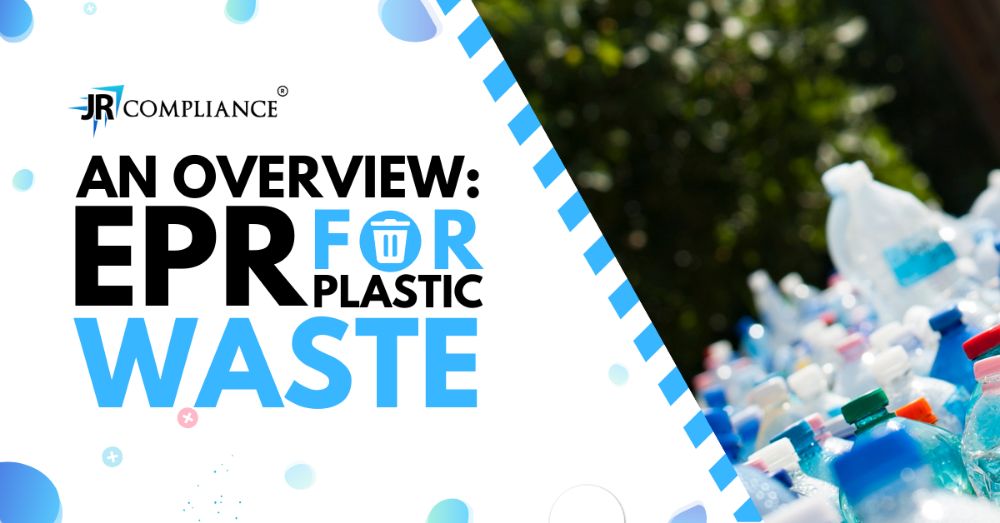
Extended Producer Responsibility (EPR) is a policy that makes producers responsible for collecting and managing the plastic waste generated from their products after it reaches the end consumer.
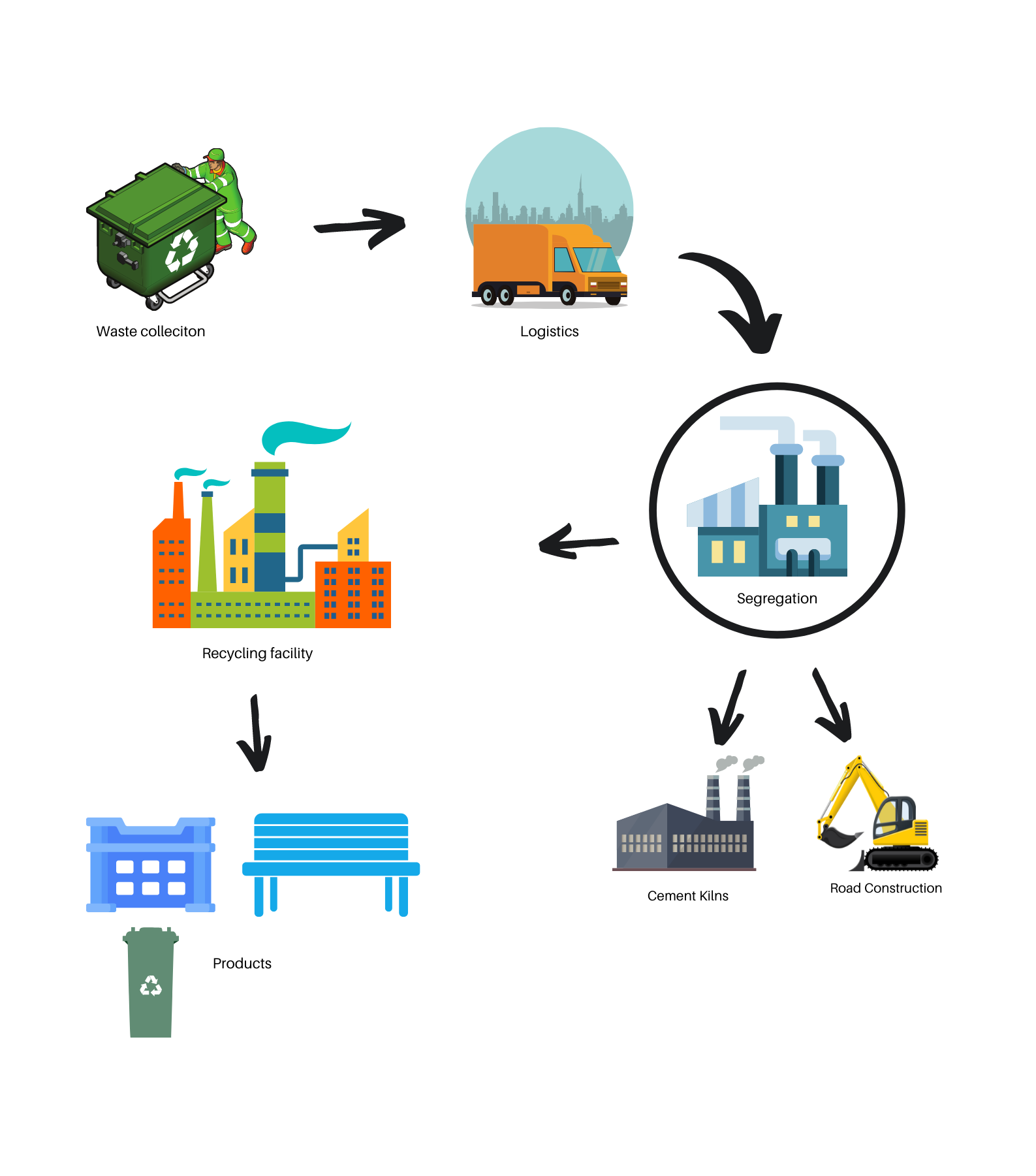
Under EPR for Plastic Waste Management, businesses must ensure that an equivalent quantity of plastic packaging waste is collected, recycled, or disposed of in an environmentally safe manner. This responsibility does not end after selling the product, it continues until the plastic waste is properly processed.
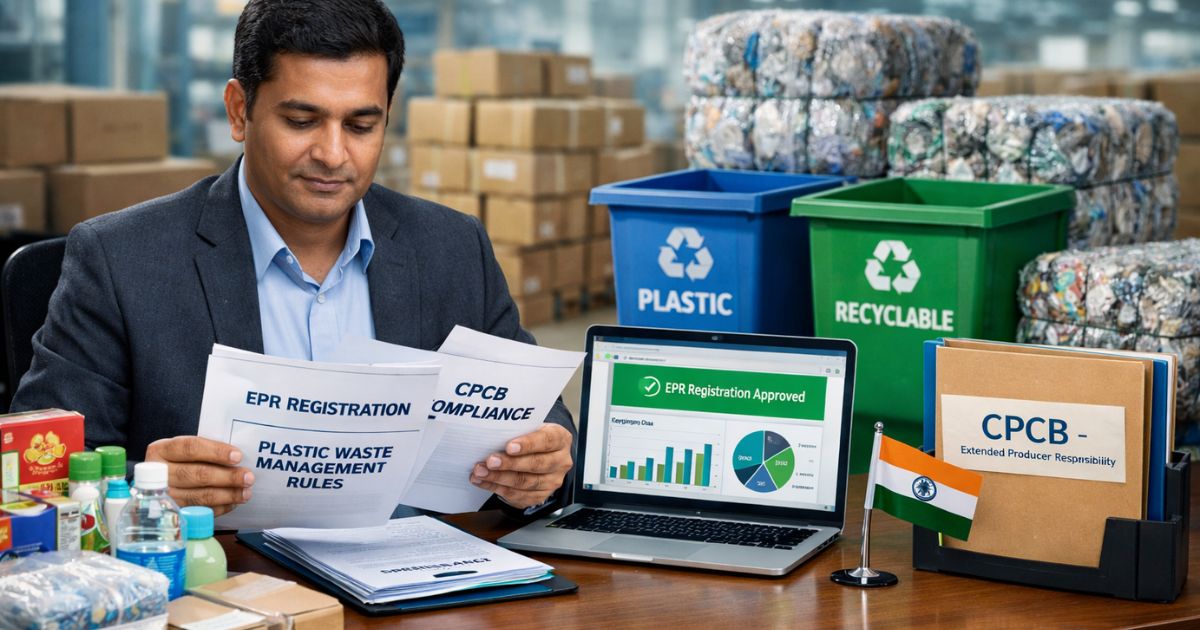
The Central Pollution Control Board (CPCB) monitors and regulates EPR compliance through an online portal.
Who Needs EPR Registration?
You need EPR registration if you fall under any of these categories:
- Plastic product manufacturers
- Importers of plastic packaging or products
- Brand owners using plastic packaging
- E-commerce companies selling packaged goods
Whether your company is small or large, compliance is mandatory if you are introducing plastic packaging into the Indian market.
Many businesses located in industrial hubs prefer applying through consultants offering Plastic Waste EPR Registration in Noida, as Noida has become a major center for manufacturers and brand owners.
Why EPR Compliance Matters
Ignoring EPR rules can lead to serious consequences. These may include:
- Heavy environmental compensation (penalty)
- Cancellation of business licenses
- Legal notices from pollution control authorities
- Business disruption
On the other hand, proper compliance builds credibility. It shows that your company follows environmental norms and cares about sustainability. Today, customers and investors both value responsible businesses.
Implementing EPR for Plastic Waste Management is not just about avoiding penalties, it is about building a future-ready brand.
How the EPR Process Works
The process may look complicated, but it becomes manageable when broken into steps.
1. Assessment of Plastic Usage
You must calculate how much plastic packaging you introduce into the market annually. This includes primary, secondary, and tertiary packaging.
2. Registration on CPCB Portal
You need to apply for EPR registration through the official portal. Documentation includes GST details, IEC (for importers), PAN, product details, and packaging data.
3. EPR Action Plan
An action plan must be submitted showing how you will collect and recycle the required quantity of plastic waste.
4. Tie-Up with Authorized Recyclers
You must work with registered recyclers or waste processors who can generate EPR certificates against recycled quantities.
5. Filing Returns
Regular compliance reports must be filed as per regulatory timelines.
Businesses seeking Plastic Waste EPR Registration in Noida often look for end-to-end assistance because documentation errors can delay approval.
Common Challenges Manufacturers Face
Let’s be practical, most manufacturers struggle with:
- Incorrect packaging data calculation
- Confusion about plastic categories
- Difficulty finding authorized recyclers
- Portal rejections due to incomplete documents
- Tracking annual EPR targets
Many companies underestimate the compliance workload. They think registration is a one-time activity. It is not. EPR compliance is ongoing and requires regular monitoring.
This is why expert support for EPR for Plastic Waste Management becomes valuable, especially for companies managing multiple product lines.
Why Professional Assistance Makes Sense
Handling EPR internally without proper knowledge often leads to delays and penalties. A professional consultant ensures:
- Accurate documentation
- Correct plastic category classification
- Smooth CPCB registration
- Proper recycler coordination
- Timely return filing
Industrial areas like Noida, Greater Noida, and Delhi NCR have thousands of businesses requiring Plastic Waste EPR Registration in Noida, and most prefer expert guidance to avoid compliance risks.
Outsourcing this task allows manufacturers to focus on production and business growth instead of regulatory complications.
How Om Garuda Group Supports Manufacturers
At Om Garuda Group, we assist manufacturers, importers, and brand owners in managing complete EPR compliance smoothly and legally. Our team understands the technical and documentation aspects of EPR for Plastic Waste Management, ensuring that your application is accurate and aligned with CPCB norms.
From initial assessment to final approval and ongoing compliance support, we handle the process step by step. For businesses operating in and around Noida, we also provide dedicated assistance for Plastic Waste EPR Registration in Noida, helping companies meet regulatory requirements without unnecessary delays.
Final Thoughts
Environmental regulations in India are becoming stricter every year. Plastic waste is under strong government monitoring, and enforcement actions are increasing.
If your business uses plastic packaging, delaying compliance is risky. Understanding and implementing EPR properly protects your company from penalties and builds long-term credibility.
The right approach is simple: calculate accurately, register correctly, and maintain compliance regularly.
If you want to ensure hassle-free EPR compliance, taking timely professional guidance can save you from costly mistakes and legal trouble.