





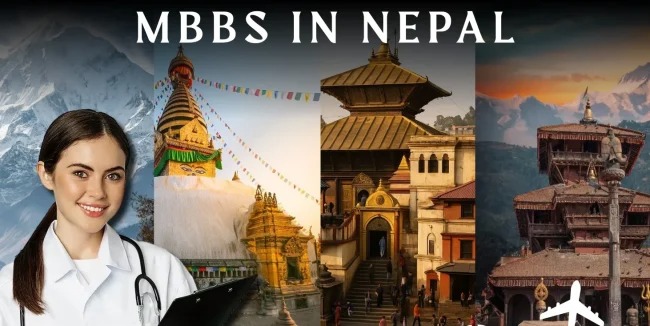
Why Nepal Is Becoming One of the Best Destinations to Study MBBS Abroad
Over the past decade, Nepal has emerged as a top choice for international MBBS students, especially from India, Bangladesh, Sri Lanka, Africa, and Southeast Asia. I’ve personally counseled hundreds of students who chose Nepal, and what they experienced reflects why this destination is rising in popularity:
Affordable Tuition Fees — Compared to private medical colleges in India, the overall cost to study MBBS in Nepal is significantly lower even when living expenses are factored in.
MBBS Eligibility Similar to India — Students can join after 12th grade with Physics, Chemistry, Biology, and English — just like Indian MBBS pathways.
English Medium Education — All medical programs are delivered fully in English, which removes language barriers for international learners.
Simple Admission Process — Most universities accept NEET scores (as per Government of India regulations), which means Indian students don’t face complicated entry exams.
Clinical Exposure Early in Curriculum — Nepal’s medical colleges emphasize practical clinical experience from early years through rotations in affiliated hospitals.
Safety and Cultural Comfort — Nepal is culturally close to India, safe, and student-friendly, which eases the adjustment for young learners far from home.
Based on real feedback from students who have graduated and now work as doctors in India, Nepal’s MBBS path offers a balanced mix of quality education and real-world medical exposure.
Overview of MBBS in Nepal
MBBS (Bachelor of Medicine and Bachelor of Surgery) in Nepal is a 5.5-year program, divided into:
Pre-Clinical (2 years)
Clinical (2 years)
Internship (1 year)
At the end of training, students must complete a rotating internship in a teaching hospital, gaining hands-on experience in core departments such as Medicine, Surgery, Pediatrics, Gynecology, and Emergency Medicine.
Eligibility Requirements (Standard)
12th grade with PCB (Physics, Chemistry, Biology)
Minimum 50% in PCB (45% for reserved categories)
NEET qualified (for Indian students) — Non-negotiable
Age: 17+ by December of admission year
Valid passport and student visa
This clarity in eligibility allows students to plan early and confidently.
Recognition and Accreditation
One of the most important credibility points for any medical program is recognition and accreditation:
Approved by Nepal’s Ministry of Education
Listed in the World Directory of Medical Schools (WDOMS)
Students are eligible for FMGE/NExT (India) after graduation
Graduates can pursue PG seats in countries like Australia, UK, Canada (with respective exams)
This means an MBBS degree from Nepal is globally accepted and respected.
A Real Student Experience — “My Year One in Nepal MBBS”
Let me share the lived experience of a student from Haryana who chose MBBS in Nepal:
“I was nervous at first, but within two weeks in Kathmandu I felt at home. The professors are highly experienced, and I started seeing patients in the hospital by the 2nd semester — something I never expected so early! The clinical learning environment is very supportive, and seniors help juniors learn basics practically.”
This authentic feedback reflects a major benefit: early clinical exposure. Students don’t just memorize concepts — they see real patients, write case notes, and interact with doctors.
Kathmandu University (KU) — The Gold Standard for MBBS in Nepal
When talking about Study MBBS in Nepal, one name stands out: Kathmandu University (KU).
About Kathmandu University
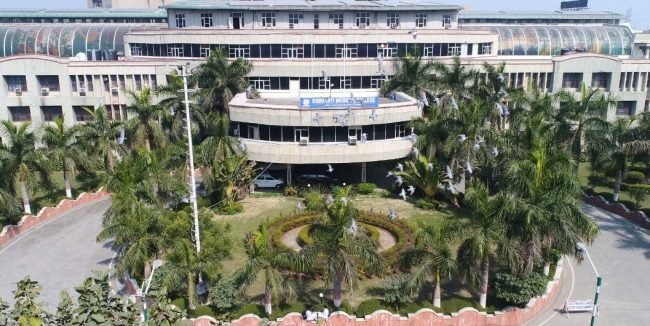
Kathmandu University School of Medical Sciences (KUSMS) is one of Nepal’s most reputable medical institutions, established with the mission of world-class medical education. It partners with several teaching hospitals and emphasizes:
Strong academic foundation
Research opportunities
Global exposure
Combination of western medical standards and real-world clinical training
Many students choose KU because it balances rigorous academics with practical experience — the very blend top medical schools worldwide aim for.
Why Kathmandu University Is Considered Highly
Here’s a breakdown of what makes KU stand out:
Experienced Faculty
KU has doctors with advanced specializations, PhDs, and international research experience. They train students not just to pass exams but to become thoughtful, evidence-based clinicians.
Structured Clinical Rotations
Students rotate through:
Internal Medicine
Surgery
Pediatrics
Obstetrics & Gynecology
Community Health
Real patient interactions begin early, ensuring students never feel disconnected from medicine.
English-Medium Curriculum
All classes, clinics, and assessments are in English — a huge advantage for international students.
Research and Conferences
KU encourages participation in research, medical camps, and seminars — strengthening both CVs and clinical thinking.
Internationally Relevant Syllabus
The MBBS course at Kathmandu University aligns with many international medical standards, which helps when students take licensing exams like FMGE/NExT or pursue postgraduate studies abroad.
Life at Kathmandu University — Student Insights
Here’s what many students actually report:
Supportive learning culture
Friendly senior-junior system
Clean campus with regular health and sports activities
Access to teaching hospitals and patient internships
One KU graduate wrote:
“During final year I did 3 months of intensive clinical posting at Dhulikhel Hospital. I saw cases I only read about in books. That experience changed how I think as a future doctor.”
These testimonies reflect true learning, not just textbook training.
Fees & Living Costs — Transparent Breakdown
Tuition Fees
MBBS at Kathmandu University is affordable compared to many private colleges globally. Fees vary yearly, but students consistently find that:
● Total fees over 5.5 years are competitive
● Installment payment options are often available
● Scholarships and sponsorships may be offered
Living Costs in Nepal
Compared to many Western, European, or Gulf countries:
Accommodation = Low
Food = Affordable
Transportation = Budget-friendly
Students report spending much less on living than they expected — relieving financial stress.
Visa & Travel Information (Step-by-Step)
Apply for Admission Letter from KU
Receive Offer Letter
Apply for Nepal Student Visa (from Indian Passport Office)
Travel to Kathmandu
Register with University and Start Orientation
This simplicity makes Nepal a practical choice, especially for Indian students — Nepal doesn’t require long embassy waiting times.
After Graduation — What Next?
Students who complete MBBS from KU or other Nepal medical colleges can:
Appear for FMGE/NExT to practice in India
Pursue PG seats in Nepal, India, or abroad
Apply for licenses in countries like USA (USMLE), UK (PLAB), Australia (AMC)
The global opportunities are abundant once you have a recognized MBBS degree.
Tips for Future MBBS Students in Nepal
1. Prepare NEET thoroughly
NEET score is mandatory and determines eligibility.
2. Focus on practical learning
Take every clinical posting seriously — real patients teach better than books.
3. Improve English communication
This boosts performance during rotations, patient interactions, and exams.
4. Connect with seniors
They can guide hostel choices, preparation, and daily life tips.
5. Plan finances early
Make a clear budget including tuition, rent, food, books, and travel.
Final Words — Why Study MBBS in Nepal
MBBS in Nepal — especially at Kathmandu University — is more than education. It’s a transformative experience:
Affordable fees
Globally recognized degree
Early clinical learning
Safe, student-friendly culture
Pathways to international opportunities
If you dream of becoming a doctor with practical skills, global mobility, and a strong foundation — Nepal could be the right step.
For more information contact:
AR Group of Education
523, 5th Floor, Wave Silver Tower, Sec-18 Noida, UP-201301
9711016766
info@argroupofeducation.com


Willing to study MBBS in Nepal, but no idea from where to start?
Get My University is your true friend.
We will guide you at each stage of pursuing your MBBS in Nepal.
For more details visit getmyuniversity.com