


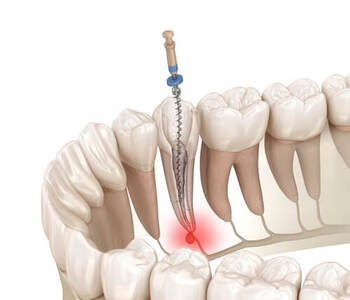
If you’ve been told you need a Root Canal Treatment, you might feel nervous or unsure about what to expect. The good news is that modern dentistry has made root canal therapy safe, effective, and far more comfortable than its reputation suggests. In fact, this common procedure is designed to relieve pain — not cause it.
In this step-by-step guide, we’ll explain what a root canal is, why you might need one, how the procedure works, and what recovery looks like.
What Is Root Canal Treatment?
A Root Canal Treatment (also known as root canal therapy or endodontic treatment) is a dental procedure used to treat infection inside a tooth. Inside each tooth is a soft tissue called pulp, which contains nerves and blood vessels. When this pulp becomes infected due to deep decay, cracks, trauma, or repeated dental procedures, it can cause severe pain and swelling.
Rather than removing the entire tooth, a root canal removes the infected pulp, cleans the inside of the tooth, and seals it to prevent further infection. This allows you to save your natural tooth while eliminating discomfort.
Signs You May Need a Root Canal
Not every toothache requires a root canal, but certain symptoms indicate a deeper problem:
Persistent tooth pain
Sensitivity to hot or cold that lingers
Swollen or tender gums
Darkening of the tooth
A pimple-like bump on the gums
Pain when chewing or touching the tooth
If you notice these signs, it’s important to visit your dentist promptly. Early treatment can prevent complications and save your tooth.
Step-by-Step: What Happens During a Root Canal?
Understanding the process can ease anxiety. Here’s what typically happens during a root canal treatment procedure:
Step 1: Examination and X-Rays
Your dentist begins by examining the affected tooth and taking X-rays. This helps determine the extent of infection and the shape of the root canals. Proper diagnosis ensures precise treatment planning.
Step 2: Local Anesthesia
To keep you comfortable, the dentist numbs the area with local anesthesia. Most patients report that getting a root canal feels similar to having a filling placed.
Step 3: Isolating the Tooth
A small protective sheet called a dental dam is placed around the tooth. This keeps the area dry and prevents bacteria from entering during the procedure.
Step 4: Removing the Infected Pulp
The dentist creates a small opening in the crown of the tooth and carefully removes the infected pulp using specialized instruments. The root canals are then cleaned and shaped thoroughly.
Step 5: Disinfecting the Canals
After cleaning, the canals are disinfected to eliminate remaining bacteria. In some cases, medication may be placed inside the tooth if multiple visits are needed.
Step 6: Filling and Sealing
Once cleaned, the canals are filled with a biocompatible material called gutta-percha. The opening is sealed to prevent future infection.
Step 7: Restoring the Tooth
Most root canal-treated teeth require a dental crown to restore strength and function. The crown protects the tooth from fractures and allows you to chew normally.
If you are searching for Root Canal Treatment in Mulund East, choosing an experienced and well-equipped dental clinic is essential for successful results. At Dr. Roshan's Advanced Dental Clinic And Implant Center, patients receive precise and comfortable root canal procedures using advanced dental technology. The clinic focuses on painless treatment, thorough disinfection, and long-lasting restorations to ensure your natural tooth is preserved effectively. With expert care and patient-centered treatment planning, you can expect reliable and safe root canal therapy tailored to your needs.
Is Root Canal Treatment Painful?
This is one of the most common concerns patients have. Thanks to modern anesthesia and advanced techniques, Root Canal Treatment is generally no more uncomfortable than getting a standard dental filling.
In fact, the procedure relieves the intense pain caused by infection. After treatment, you may experience mild soreness for a few days, which can usually be managed with over-the-counter pain medication.
How Long Does the Procedure Take?
The length of a root canal depends on the tooth and the severity of infection.
Front teeth: 30–60 minutes
Premolars: 60–90 minutes
Molars: 90 minutes or more
Some cases are completed in one visit, while others may require two appointments.
Recovery and Aftercare
Recovery from a root canal is typically straightforward. Here’s what to expect:
Mild Discomfort
It’s normal to feel mild tenderness for a few days. Avoid chewing on the treated side until your permanent crown is placed.
Good Oral Hygiene
Brush and floss daily to keep the area clean. Maintaining proper oral care reduces the risk of future problems.
Follow-Up Appointment
If a temporary filling or crown was placed, return to your dentist for the final restoration. This step is essential for protecting your tooth long-term.
Most patients return to normal activities the same day or the next.
Benefits of Root Canal Treatment
Choosing a root canal instead of extraction offers several advantages:
Preserves your natural tooth
Maintains normal chewing ability
Prevents neighboring teeth from shifting
Restores appearance with a crown
Stops infection from spreading
Saving your natural tooth is almost always the best option for long-term oral health.
What Happens If You Avoid Treatment?
Ignoring an infected tooth can lead to serious complications, including:
Abscess formation
Bone loss around the tooth
Increased pain and swelling
Spread of infection to other areas
Delaying treatment may result in the need for extraction or more complex procedures later.
Root Canal vs Tooth Extraction
Some patients wonder whether extraction is easier. While removing a tooth may seem like a quick fix, it often leads to additional treatments such as dental implants or bridges to restore function and appearance.
A root canal allows you to keep your natural tooth structure intact, which is usually more cost-effective and less invasive in the long run.
Frequently Asked Questions
How successful is root canal treatment?
Root canals have a high success rate, often lasting a lifetime with proper care.
Can a treated tooth get infected again?
While rare, reinfection can occur if the tooth is not properly restored or if new decay develops. Good oral hygiene and regular dental checkups reduce this risk.
Will my tooth look normal afterward?
Yes. Once covered with a crown, your treated tooth will look and function like a natural tooth.
A Root Canal Treatment may sound intimidating, but it’s a routine and highly effective dental procedure designed to relieve pain and save your natural tooth. With modern technology and experienced dental professionals, the process is comfortable, safe, and efficient.
If you’re experiencing persistent tooth pain or signs of infection, don’t delay seeking professional care. Early treatment not only preserves your smile but also protects your overall oral health.
Taking prompt action today can help you avoid bigger dental problems tomorrow — and keep your smile healthy for years to come.
Original Sources :- Root Canal Treatment: Step-by-Step Guide for Patients




Are you looking for the steps for Canon IJ Setup?
Having trouble printing the documents with IJ Setup Canon?
Then browse the Com Ij Printer in order to get a simple step-by-step guide for Canon IJ setup online free of cost and your printer is ready to take the printouts with high quality.

Step by Step Guide for New Authors Step by Step Guide for New Authors - Get the best Guide Book for New Authors, we provide the best Step by Step Guide Book for New Authors to Follow to Success in 2020.https://www.australiaunwrapped.com/step-by-step-guide-for-new-authors-to-follow-to-success-in-2020/