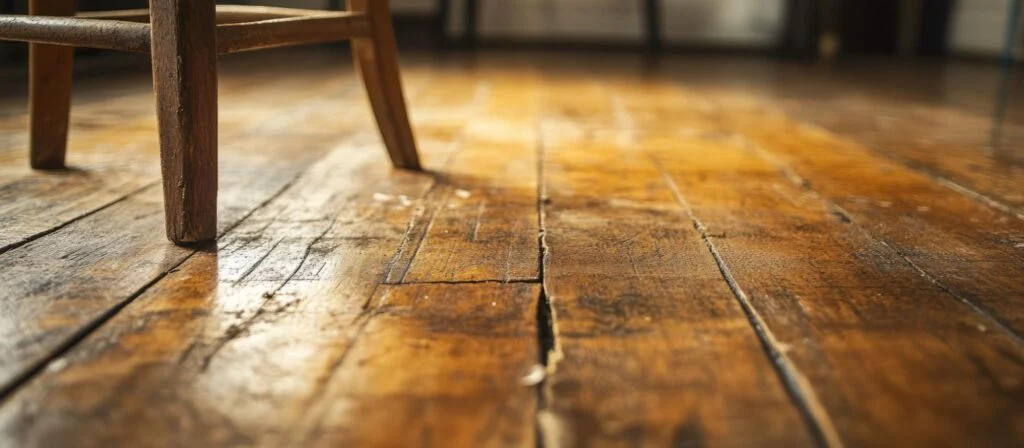
Wooden floors bring warmth, character, and long-lasting value to a home, but their durability can sometimes hide underlying problems. Many homeowners notice scratches or discoloration on the surface yet overlook the hidden causes that gradually weaken the floor beneath. Understanding these concealed threats helps prevent costly restoration work and ensures your flooring remains attractive and structurally sound for years.
Moisture Intrusion Beneath the Surface
Moisture is one of the most common yet least visible threats to wooden flooring. Water can seep through subfloors, leak from appliances, or rise from damp concrete foundations. Even small amounts of moisture trapped beneath the boards can cause swelling, warping, or cupping.
To address this issue, homeowners should monitor indoor humidity levels and repair leaks promptly. Installing vapor barriers and ensuring proper subfloor sealing can prevent moisture from rising into the wood. If warping or buckling has already appeared, professional wood floor repair may be necessary to restore stability and prevent further deterioration.
Fluctuating Humidity and Temperature
Wood naturally expands and contracts as environmental conditions change. Excessively dry air can cause boards to shrink and create gaps, while high humidity levels may lead to swelling and distortion. Seasonal shifts often intensify these problems, particularly in regions with dramatic weather changes.
Maintaining indoor humidity between 35 and 55 percent helps minimize movement in the wood. Using humidifiers during dry months and dehumidifiers in humid seasons protects flooring from stress-related damage. Consistent climate control is one of the most effective long-term preservation strategies.
Subfloor Movement and Structural Issues
Hidden structural problems beneath the flooring can cause uneven surfaces, squeaking, or separation between boards. Subfloors that shift due to foundation settling or inadequate support may place uneven pressure on wooden planks.
Routine inspections of the subfloor and foundation can help identify movement early. Reinforcing joists, securing loose panels, and correcting leveling issues will stabilize the structure and prevent progressive damage.
Dirt and Abrasive Particles
While dirt may seem harmless, fine grit carried in on shoes acts like sandpaper against the surface of wooden floors. Over time, microscopic scratches accumulate, dulling the finish and exposing raw wood to moisture and staining.
Preventative measures include placing mats at entryways, adopting a no-shoes policy indoors, and sweeping regularly with soft-bristle tools. Periodic professional cleaning can also remove embedded debris that ordinary cleaning misses.
Sunlight Exposure and UV Damage
Prolonged exposure to direct sunlight can fade wood flooring and weaken its finish. Ultraviolet rays break down protective coatings, leaving the surface vulnerable to cracking and discoloration.
Window treatments, UV protective films, and rearranging furniture periodically help ensure even exposure and prevent permanent fading patterns. Refinishing may be required if the protective layer has significantly degraded.
Improper Cleaning Methods
Excess water, harsh chemicals, and steam cleaning can compromise protective finishes and allow moisture to penetrate the wood. Many homeowners unintentionally damage flooring by using unsuitable cleaning products.
Using manufacturer-recommended cleaners and damp mopping rather than wet mopping protects the finish. Avoiding abrasive scrubbers and excessive moisture preserves both appearance and structural integrity.
Preventive Care and Timely Intervention
Hidden damage often progresses silently until visible problems appear. Routine inspections, climate control, and proper maintenance reduce the likelihood of serious issues developing. When signs such as persistent squeaks, warping, or deep gaps appear, timely professional assessment ensures that underlying causes are corrected rather than temporarily concealed.
By identifying these hidden causes and addressing them early, homeowners can extend the life of their wooden floors, preserve their beauty, and avoid costly replacements. Proactive care remains the most effective way to keep wood flooring strong, stable, and visually appealing for generations.