When parents think about school readiness, they often focus on literacy, numeracy, and attention skills. But there’s another crucial piece of the puzzle that’s frequently overlooked: fine motor strength. According to many paediatric occupational therapist, a child’s ability to control the small muscles in their hands and fingers can have a direct impact on academic performance.
Fine motor development isn’t just about neat handwriting. It influences confidence, independence, and the capacity to keep up in a busy classroom. Let’s unpack why it matters so much, and what can be done to support it.
What is Fine Motor Strength?
Fine motor strength refers to the control and coordination of the small muscles in the hands, fingers, and wrists. These muscles allow children to:
* Hold and control a pencil
* Cut with scissors
* Fasten buttons and zips
* Manipulate small objects like counters or blocks
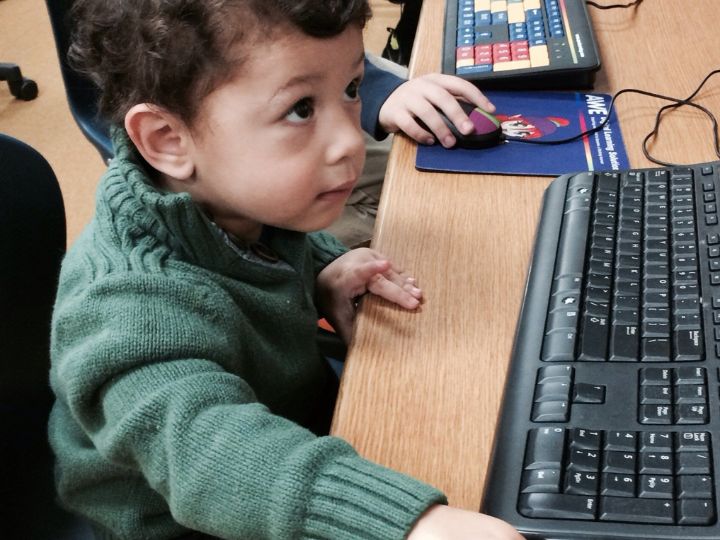
* Type on a keyboard
Without adequate strength and coordination, these everyday classroom tasks can become frustrating and exhausting.
The Link Between Fine Motor Skills and Academic Success
1. Handwriting Fluency and Legibility
Handwriting is still a core part of Australian classrooms. If a child struggles to grip a pencil properly or tires quickly, their written work may be slow, messy or incomplete.
Over time, this can affect:
* Test results
* Assignment quality
* Teacher perception
* Self-esteem
A paediatric occupational therapist often works on improving grip strength, wrist stability and finger isolation to support clearer, more efficient handwriting.
2. Focus and Cognitive Load
When writing requires significant effort, children use much of their mental energy just to form letters. This leaves less capacity for spelling, grammar and creative thinking.
In other words, weak fine motor skills can indirectly impact literacy outcomes — not because the child doesn’t understand the content, but because the physical task of writing gets in the way.
3. Classroom Independence
Fine motor challenges don’t stop at writing. They can affect:
* Opening lunch containers
* Using a ruler or compass
* Completing art projects
* Managing school bags and materials
Children who struggle with these tasks may rely heavily on teachers or peers, which can impact confidence and social participation.
Signs Your Child May Need Support
Some children develop fine motor skills naturally. Others may benefit from targeted occupational therapy support.
Common signs include:
* Avoiding drawing or colouring
* Complaining of sore hands when writing
* Using an awkward or overly tight pencil grip
* Difficulty cutting along lines
* Messy or inconsistent handwriting
Early support can make a significant difference, especially in the early primary years.
How a Paediatric Occupational Therapist Can Help
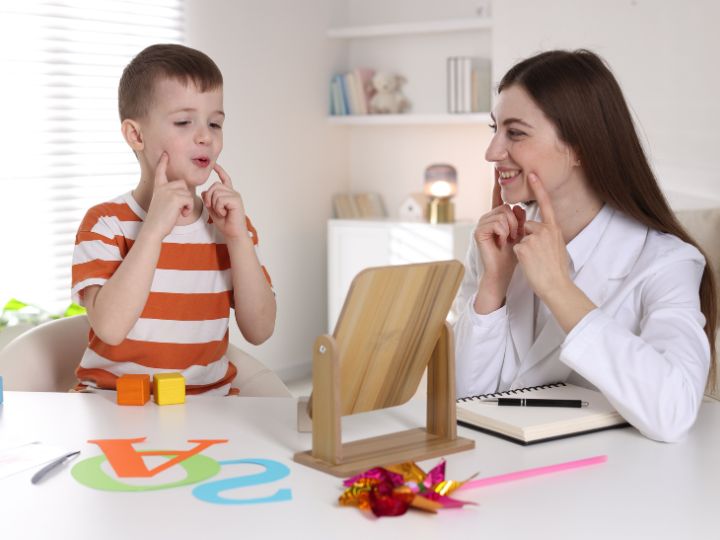
A paediatric occupational therapist assesses not just handwriting, but the underlying skills that support it. This might include:
Strength and Stability Training
Activities to build:
* Hand and finger strength
* Wrist stability
* Shoulder control (which supports fine motor precision)
Skill-Based Practice
Structured, play-based exercises designed to improve:
* Pencil control
* Scissor skills
* Bilateral coordination (using both hands together)
Practical Strategies for Home and School
Therapists often provide tailored programs that families can use at home, such as:
* Playdough resistance activities
* Peg and tweezer games
* Lego or construction tasks
* Drawing and tracing exercises
This collaborative approach ensures progress continues beyond therapy sessions.
Why Early Intervention Matters
The earlier fine motor challenges are addressed, the easier it is to prevent secondary issues such as academic frustration or low confidence.
Supporting fine motor strength doesn’t just improve handwriting; it helps children participate fully in classroom life. When physical skills become automatic, children are free to focus on learning, creativity, and critical thinking.
In summary,Fine motor strength plays a vital role in academic performance. From handwriting fluency to classroom independence, the small muscles in a child’s hands can have a big impact on their success at school.
If your child shows signs of struggling, seeking guidance from a qualified paediatric occupational therapist can provide practical strategies and personalised support. With the right intervention, children can build the strength and coordination they need to thrive both academically and socially.