Storm clouds gather. Winds intensify. Branches sway closer to your roofline than they did last season. Trees add value, shade, and ecological balance to your property, yet they also introduce structural risk when neglected. Many hazards develop gradually—internal decay, root instability, canopy imbalance—until one severe weather event exposes the weakness. That is when hesitation becomes expensive.
You may notice subtle warning signs but feel unsure whether they justify professional intervention. Structural defects rarely correct themselves. Instead, they progress silently beneath bark and soil. Calling a Tree Service in MD at the right moment protects your home, vehicles, and liability exposure. Understanding when that call becomes urgent can prevent property loss, insurance disputes, and safety threats before they escalate.
1. Visible Structural Damage After Storm Activity
High winds and saturated soil often compromise tree stability. Cracked trunks, hanging limbs, or partially uprooted bases signal mechanical failure. Even if a tree remains standing, compromised fibers reduce tensile strength and increase the probability of collapse. Wind loading stress multiplies when branches are unevenly weighted.
You may see bark splitting vertically or large limbs resting on power lines. These are not cosmetic issues. Structural damage progresses quickly, particularly in humid climates. When integrity declines, removal or corrective pruning becomes time-sensitive. Delaying assessment raises the likelihood of emergency intervention rather than controlled mitigation.
2. Leaning Trees and Root Plate Movement
A sudden lean is rarely random. Soil heaving, exposed roots, or a raised root plate indicate anchoring failure. Trees rely on root spread for balance; when soil compaction or water saturation weakens that system, stability decreases dramatically. A tilt greater than 15 degrees often signals high risk.
You might assume the tree has leaned for years. However, fresh soil cracking around the base suggests recent movement. In such cases, professional evaluation determines whether cabling, bracing, or removal is appropriate. If root decay exists underground, stabilization methods may not restore structural reliability.
3. Dead or Dying Branches in the Canopy
Canopy dieback often precedes major decline. Dead limbs lack moisture and flexibility, making them prone to sudden breakage. Falling branches cause roof punctures and bodily injury. Even moderate wind can detach brittle limbs without warning.
You may notice sparse foliage or sections that fail to bloom in spring. These symptoms reflect vascular dysfunction within the tree. In some cases, targeted pruning resolves the issue. In others, full removal becomes necessary. Regional property owners sometimes coordinate preventive inspections similar to those seeking Tree removal in Northern Virginia services after storm seasons, recognizing that early action reduces liability exposure.
4. Trunk Cavities and Internal Decay
Hollow sections or fungal growth near the trunk base often indicate internal rot. Decay weakens structural load-bearing capacity from the inside outward. Although the tree may appear stable externally, internal deterioration can reduce strength by over 30% before visible collapse occurs.
You might observe mushrooms forming at the root flare or soft, crumbly wood beneath peeling bark. These signs demand technical evaluation using sounding tools or resistograph testing. If decay extends beyond a safe threshold, removal becomes a proactive safety measure rather than a reactive emergency.
5. Trees Interfering with Structures and Utilities
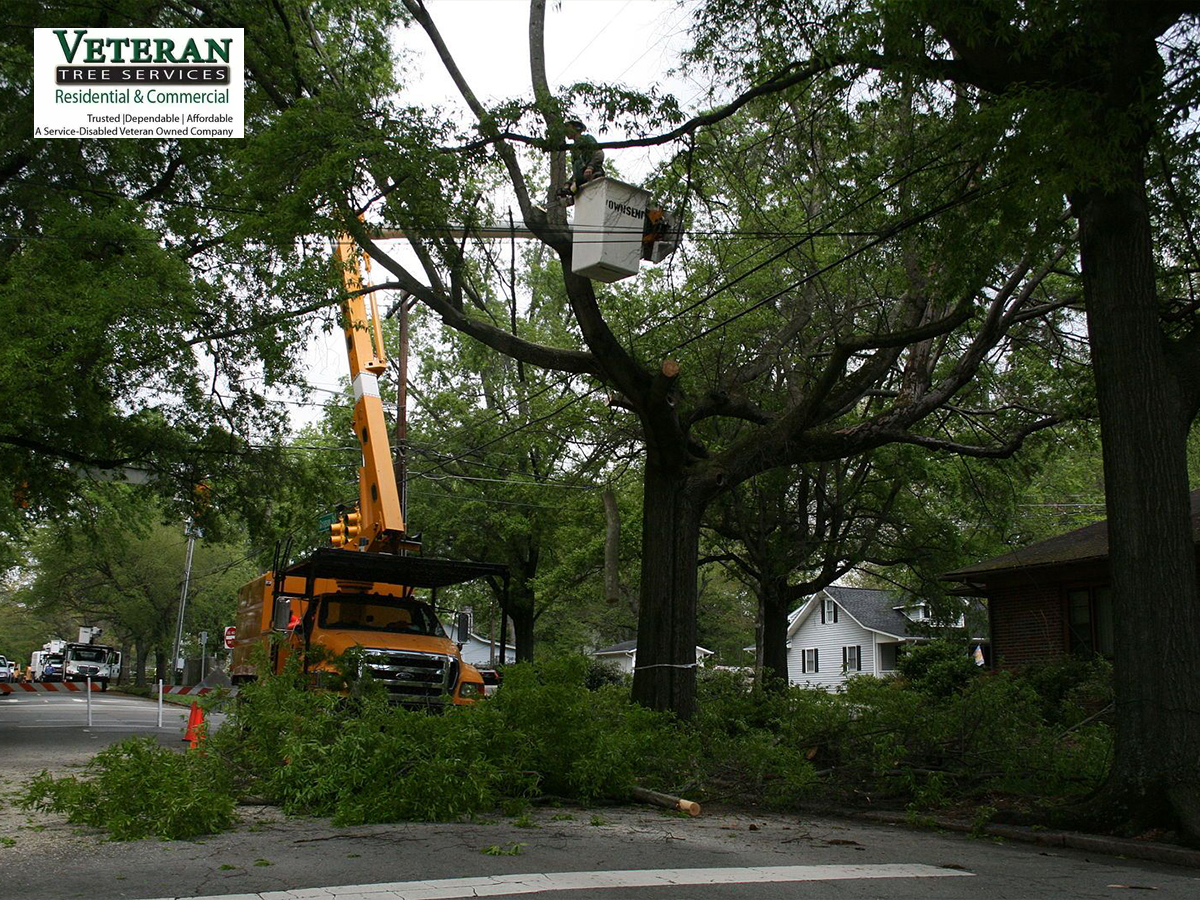
Branches touching siding, roofing, or utility lines create constant friction and fire hazards. Over time, this contact damages shingles and insulation while also increasing pest access. Utility interference raises the risk of electrical outages and safety incidents during storms.
You may trim small limbs yourself, yet higher canopy growth requires specialized equipment. When trees encroach on service lines or neighboring properties, professional coordination ensures compliance and safety. In high-risk conditions, some homeowners require 24-hour emergency tree removal to address immediate hazards after wind events or lightning strikes.
6. Pest Infestation and Rapid Decline
Insect damage and fungal pathogens weaken structural tissue rapidly. Boring insects disrupt nutrient flow, while disease accelerates decay. Leaves discolor prematurely, bark separates, and branches lose vitality. Without treatment from Tree Service in MD, affected trees become brittle and unstable.
You might assume infestation remains superficial. However, once vascular systems fail, recovery becomes unlikely. Professional evaluation identifies whether treatment or removal offers the safer outcome. Acting early prevents falling debris and protects surrounding vegetation from contagion.
Conclusion
Risk rarely announces itself loudly. It develops quietly in cracked trunks, shifting roots, and thinning canopies. Recognizing the signs of instability protects not only property but also personal safety. When trees lean, decay, or threaten utilities, hesitation can transform manageable concerns into urgent crises.
A qualified Tree Service in MD provides the technical evaluation necessary to determine whether pruning, stabilization, or removal offers the safest outcome. Acting before severe weather intensifies damage prevents emergency scenarios and reduces liability. Understanding when to contact a Tree Service in MD ensures your landscape remains an asset rather than a hidden structural threat.