





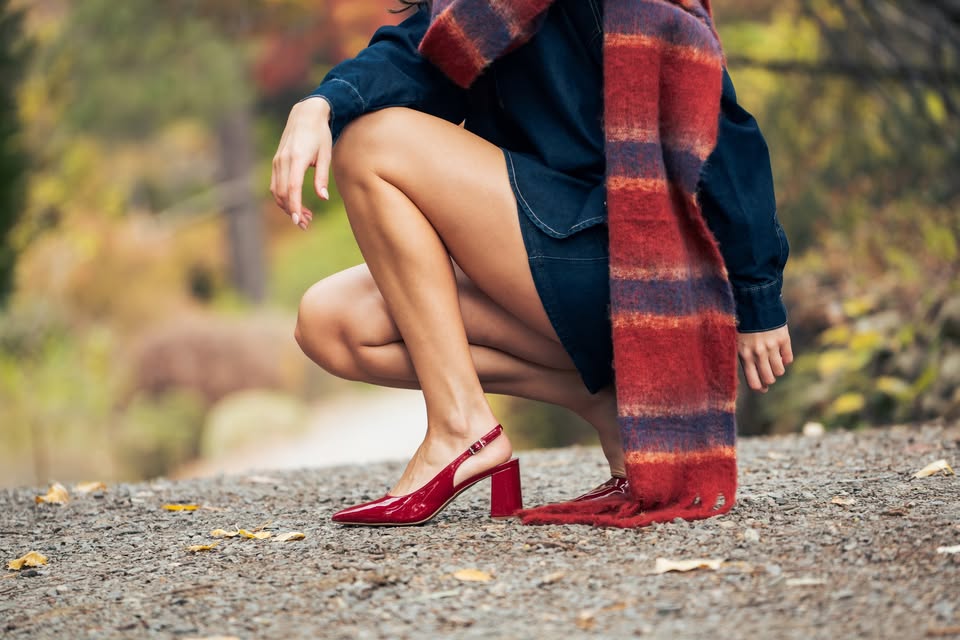
High heels have long been a staple in fashion, offering elegance, confidence, and versatility. Whether worn to the office, at formal events, or for casual outings, high heels can instantly elevate your overall look. However, choosing the right pair requires more than selecting an attractive design. Comfort, fit, heel structure, and purpose all matter.
This guide explains how to select high heels that combine fashion with functionality, helping you make informed buying decisions.
The Lasting Appeal of High Heels

High heels remain popular because they enhance posture and create a refined silhouette. By shifting weight slightly forward, heels encourage a straighter stance, which many associate with confidence and poise.
Beyond aesthetics, high heels are adaptable. A single pair can transition from daytime meetings to evening events. From classic closed-toe pumps to modern high heel sandals, there is a design suited to nearly every occasion.
Understanding Heel Shapes and Their Benefits
Not all heels are created equal. The structure of the heel influences both appearance and comfort.
Stiletto Heels
Stilettos are slim and typically taller. They are often chosen for formal settings because of their sleek and elegant profile. While visually striking, they may not provide the same stability as wider heels.
Block Heels
Block heels distribute body weight more evenly due to their wider base. They are ideal for extended wear, professional environments, and outdoor events.
Kitten Heels
Kitten heels are shorter and subtle. They offer a gentle lift while remaining practical for daily use.
Wedges
Wedges provide continuous support from heel to midfoot. This makes them easier to walk in compared to narrow heels.
High Heel Sandals
High heel sandals are popular during warmer seasons. With open designs and adjustable straps, they combine breathability with elevated style.
Choosing the right heel type depends on how long you plan to wear them and the level of comfort you need.
Finding the Right Heel Height
Heel height significantly affects comfort. Moderate high heels, typically between 5 and 8 cm, are suitable for longer wear. Taller heels create a dramatic effect but increase pressure on the forefoot.
If you are new to high heels, start with lower or mid-height options. Gradually increasing height allows your feet to adjust without unnecessary strain.
The Importance of Proper Fit
Fit is one of the most overlooked aspects when buying high heels. Even the most stylish pair will not perform well if it does not support your foot properly.
Key fitting tips:
Ensure your heel does not slip while walking.
Your toes should have slight room without feeling cramped.
Arch support should align with your natural foot shape.
Walk around to test balance and stability.
For high heel sandals, adjustable straps can help create a secure fit.
Materials and Comfort Features
Quality materials play a major role in durability and comfort. Genuine leather often molds to your foot over time, while high-quality synthetic materials can also provide flexibility and support.
Look for:
Cushioned insoles
Padded linings
Stable heel attachment
Flexible yet supportive soles
These features reduce pressure and enhance overall wearability.
Styling High Heels for Different Occasions
High heels are incredibly versatile when styled thoughtfully.
For professional settings, neutral tones such as black, nude, or navy pair well with tailored outfits. Closed-toe high heels often create a polished appearance.
For casual outings, block heels or wedges complement jeans, skirts, and day dresses.
For formal events, slim high heels or elegant high heel sandals enhance eveningwear and special occasion outfits.
Color also matters. Neutral shades maximize versatility, while bold tones or glossy finishes make a statement.
How to Walk Confidently in High Heels
Walking confidently in high heels takes practice. Keep your posture upright, engage your core slightly, and take smaller steps. Place your heel down first, followed by the toe, to maintain balance.
Avoid rushing, especially on uneven surfaces. If needed, practice at home before wearing new high heels for extended outings.
Caring for Your High Heels
Proper maintenance extends the lifespan of your footwear.
Store them upright to maintain shape.
Clean according to material type.
Replace worn heel tips promptly.
Rotate between pairs to reduce excessive wear.
Consistent care ensures your high heels remain supportive and stylish.
Are High Heels Suitable for Daily Wear?
High heels can be worn regularly if chosen wisely. Stable designs, moderate heights, and adequate cushioning make daily wear more manageable. However, alternating with flats or sneakers helps reduce strain on your feet and joints.
Listening to your body is essential. Persistent discomfort may indicate the need for a different heel style or height.
Final Thoughts
High heels continue to be a powerful footwear choice because they combine elegance with versatility. Whether you prefer timeless pumps, supportive block heels, or stylish high heel sandals, understanding heel types, fit, and comfort features will help you make smarter decisions.
When selected carefully and worn thoughtfully, high heels can enhance both your outfit and your confidence.


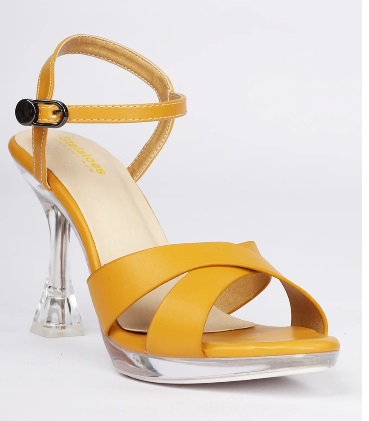
Buy exclusive Sandals for Women under one roof.
Ethnic Sandals, Causal Sandals, Party Sandals, all available at the best price.
Looking for options to buy heel sandals at low price in India?
Give Stelatoes a chance to please you!
Stelatoes working as a leading player in the footwear industry for the last sixteen years in IndiaRead more: https://stelatoesshoes.com/collections/sandals