




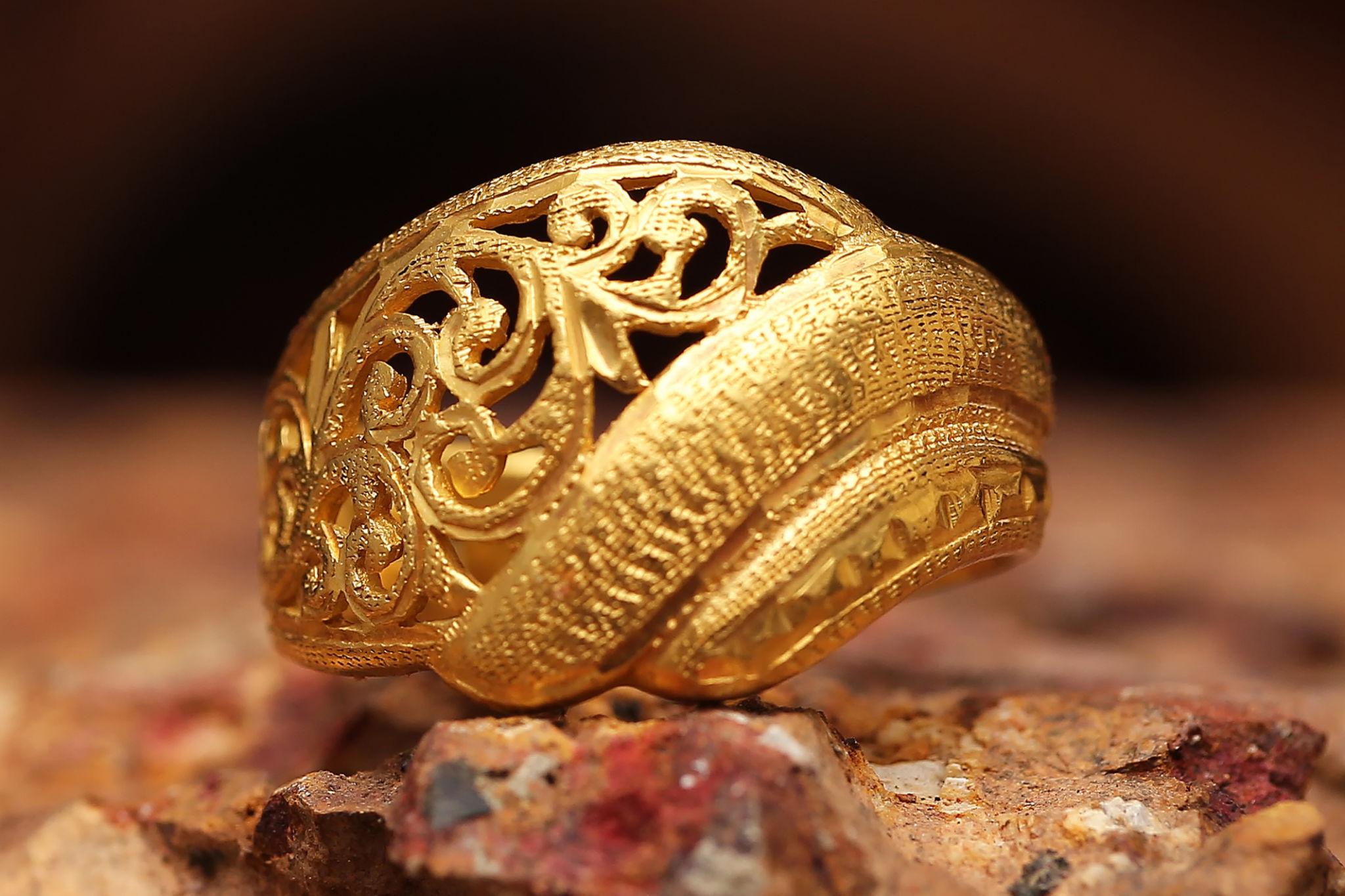
Antique jewelry carries history in its surface. Original engraving, milgrain edges, and crisp structural lines define its character. Excessive polishing, however, gradually erases those details.
Over-polishing does not just change appearance — it can reduce historical and monetary value.
Detail Loss
Antique pieces often feature hand-engraved motifs and intricate metalwork.
Signs of over-polishing include:
Softened or blurred engraving
Reduced depth in carved patterns
Flattened milgrain beading
Loss of sharp edges along decorative borders
Crisp detailing should feel dimensional. When lines appear smoothed or indistinct, repeated polishing may have removed metal.
Precision fades gradually — often unnoticed over time.
Engraving Fade
Hand engraving relies on contrast between recessed lines and raised metal.
When polishing removes surface metal:
Raised areas flatten
Engraved lines become shallow
Pattern contrast weakens


Faded engraving cannot be fully restored without re-carving, which alters originality.
Preservation is often preferable to aggressive refinishing.
Surface Rounding
Antique jewelry typically features defined structural geometry.
Over-polishing can cause:
Rounded corners where edges were once crisp
Thinned shanks
Reduced metal weight
Surface rounding not only affects aesthetics but may compromise structural integrity over decades.
Thinning at stress points increases risk of deformation.
Value Impact
Collectors value originality.
Excessive refinishing may:
Reduce historical authenticity
Lower resale value
Alter period-specific craftsmanship details
Light cleaning is acceptable. Heavy polishing that removes metal diminishes historical integrity.
Maintenance should protect structure — not erase age.
Practical Evaluation
When assessing antique jewelry:
Examine under magnification
Compare engraving depth across surfaces
Check for uneven thinning at the shank
Look for symmetry inconsistencies
Subtle wear is normal. Over-polishing is cumulative metal removal.
Time should soften appearance — not erase craftsmanship.
FAQ
Is polishing antique jewelry always harmful?
No. Gentle cleaning is safe. Repeated aggressive polishing removes metal.
Can worn engraving be restored?
It can be re-engraved, but this alters originality.
Does patina reduce value?
Not necessarily. Natural patina often enhances authenticity.
How often should antique pieces be polished?
Only when necessary, and conservatively.
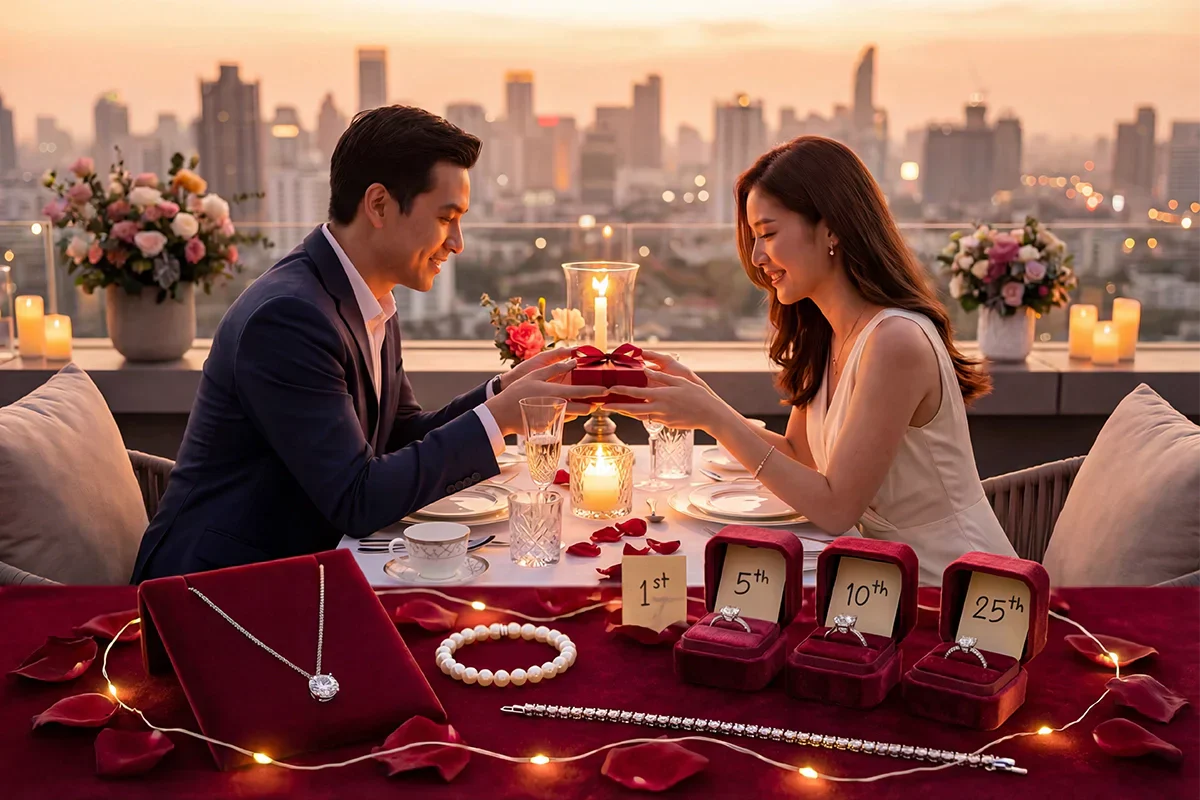

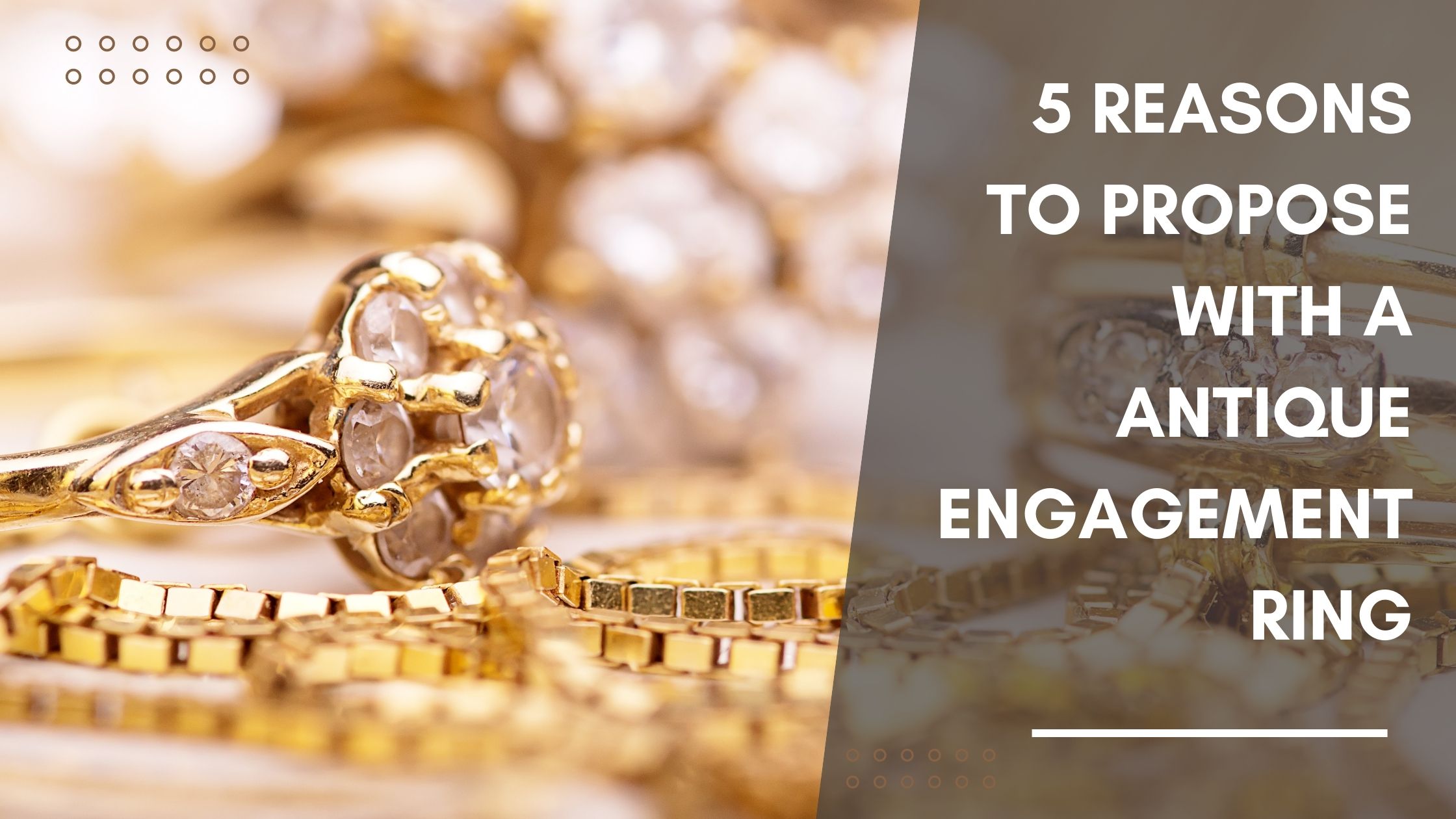
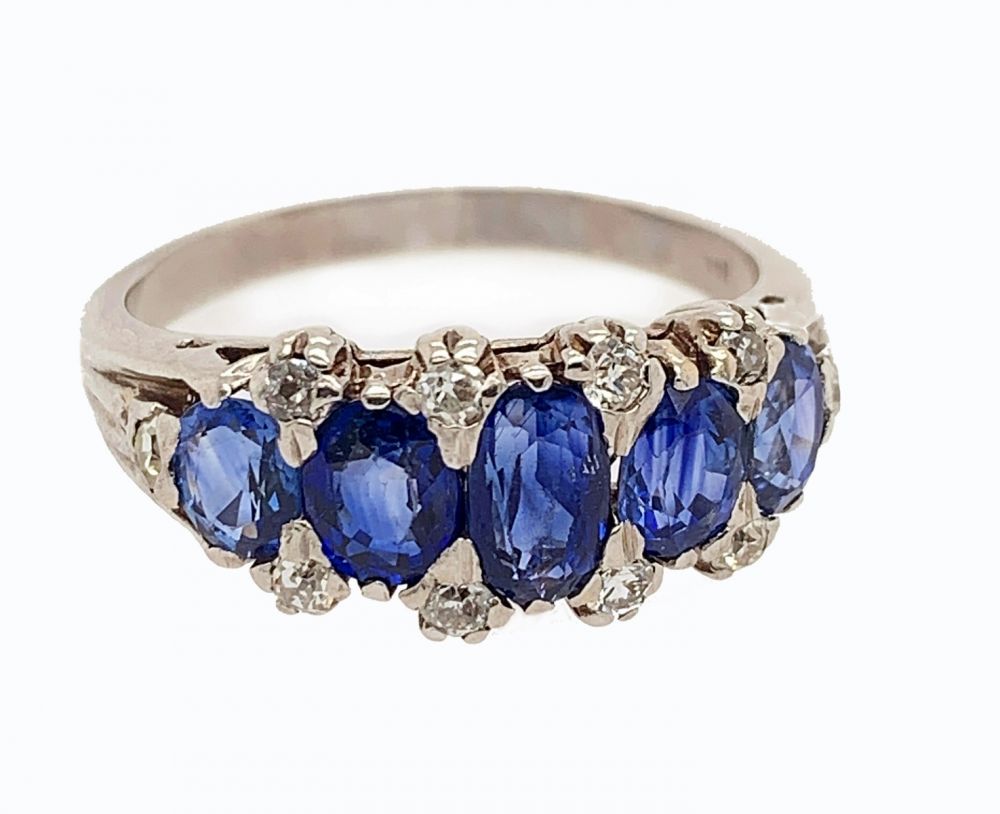
The lure of timeless beauty and sophistication enhance the unique design and rare craftsmanship of a previously owned piece of estate Jewelry or vintage jewelry.When buying Estate and vintage jewelry, you are cutting out the middlemen by not buying from manufacturers where gold and platinum is at a premium.
When you find a trusted jeweler that specializes in this kind of jewelry, you have found a treasure.
Your jeweler buys from attorneys that handle estates, from auctions, from contacts close and far and from individuals that come to the store to sell what they don’t need or want anymore.It’s easy to find jewelry that is priced well and is unique.
You can find things from as early as the Georgian Period, (1714-1830) to current times.
From Georgian, Victorian, Edwardian, Art Nouveau, Art Deco Periods to current times, each offers its unique design.
The Georgian Period is known for its design of nature including flowers, birds, feathers and ribbon.
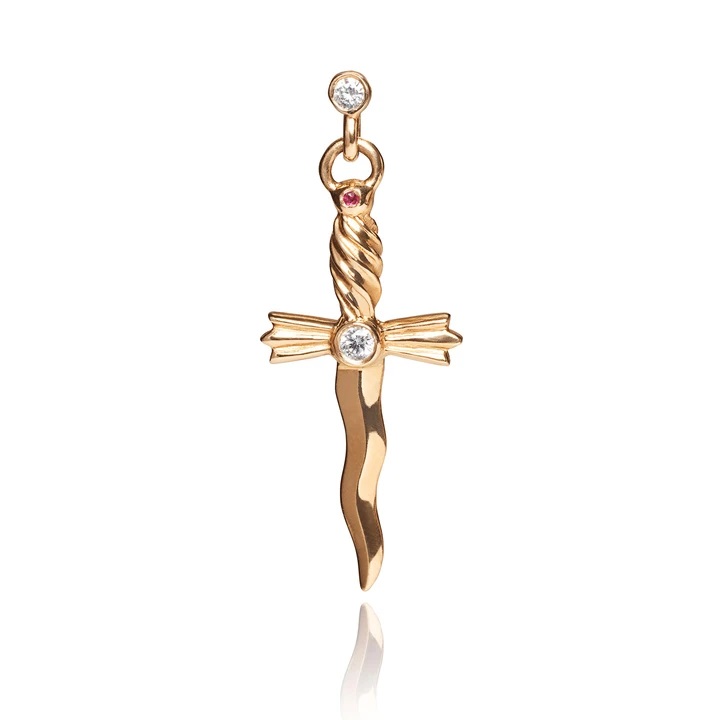
It's a feeling, a celebration.
These items are tokens that spark a memory of something monumental, a moment in your life every time you wear it.Read More:- https://spark.adobe.com/page/hTZGEssbSJWxT/