


Chronic Kidney Disease (CKD) is a long-term condition that gradually reduces the kidneys’ ability to function properly. Since kidneys play a crucial role in filtering waste and maintaining fluid balance in the body, any decline in their performance can affect overall health. Early detection and proper medical management are essential to slow the progression of this disease. Many patients today seek Chronic Kidney Disease Treatment in Mumbai under the expert care of Dr. Chandan Chaudhari, who focuses on early diagnosis, personalized treatment, and long-term kidney health management.
What Is Chronic Kidney Disease?
Chronic Kidney Disease occurs when the kidneys are damaged over time and cannot effectively filter waste and excess fluids from the blood. Unlike acute kidney problems that develop suddenly, CKD progresses slowly and may go unnoticed in its early stages.
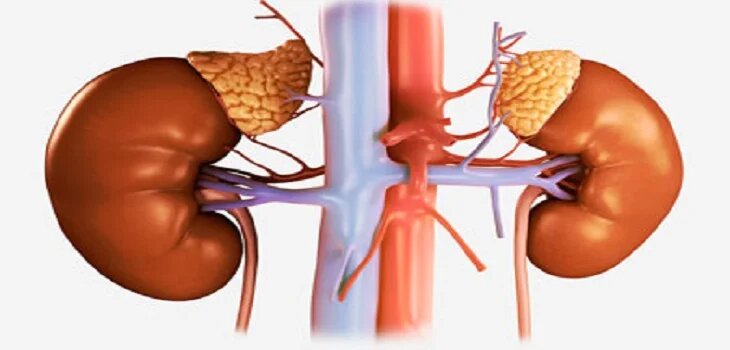
The kidneys are responsible for:
Removing toxins and waste from the blood
Balancing electrolytes like sodium and potassium
Regulating blood pressure
Producing hormones that support red blood cell production
When kidney function declines, harmful waste products accumulate in the body, leading to various health complications.
Common Causes of Chronic Kidney Disease
Several underlying health conditions can contribute to CKD. The most common causes include:
1. Diabetes
High blood sugar levels over time can damage the small blood vessels in the kidneys, affecting their filtering ability.
2. High Blood Pressure (Hypertension)
Uncontrolled blood pressure can strain the kidneys and cause long-term damage.
3. Glomerulonephritis
Inflammation of the kidney’s filtering units can reduce function.
4. Polycystic Kidney Disease
A genetic disorder where fluid-filled cysts develop in the kidneys.
5. Prolonged Use of Certain Medications
Long-term use of some painkillers or non-steroidal anti-inflammatory drugs (NSAIDs) may affect kidney health.
Other risk factors include obesity, smoking, heart disease, and a family history of kidney disorders.
Symptoms of Chronic Kidney Disease
One of the challenges of CKD is that symptoms may not appear until the disease has advanced. However, as kidney function worsens, patients may experience:
Fatigue and weakness
Swelling in the feet, ankles, or face
Changes in urination frequency
Foamy or bloody urine
Nausea and vomiting
Persistent itching
Muscle cramps
Shortness of breath
Because symptoms can be subtle initially, regular screening is recommended for people with diabetes, hypertension, or a family history of kidney disease.
Stages of Chronic Kidney Disease
CKD is classified into five stages based on the glomerular filtration rate (GFR), which measures kidney function:
Stage 1: Mild damage with normal function
Stage 2: Slight reduction in function
Stage 3: Moderate kidney damage
Stage 4: Severe reduction in kidney function
Stage 5: Kidney failure requiring dialysis or transplant
Early-stage detection allows doctors to implement measures that can significantly slow progression.
Treatment Options for CKD
Treatment depends on the stage of the disease and the underlying cause. The goal is to prevent further damage and manage symptoms.
1. Lifestyle Modifications
Lifestyle changes play a vital role in controlling CKD:
Maintaining healthy blood pressure
Controlling blood sugar levels
Following a kidney-friendly diet (low salt, balanced protein intake)
Staying physically active
Avoiding smoking and excessive alcohol
Dietary counseling is often recommended to help patients adjust their food habits appropriately.
2. Medications
Doctors may prescribe medications to:
Control blood pressure
Manage blood sugar
Reduce protein leakage in urine
Treat anemia
Balance electrolytes
Regular monitoring ensures medications are adjusted as needed.
3. Advanced Treatment Options
In advanced stages (Stage 4 or 5), additional treatments may be required:
Dialysis: A procedure that filters waste from the blood when the kidneys can no longer function adequately.
Kidney Transplant: A long-term solution for eligible patients with kidney failure.
The choice of treatment is based on overall health, age, and disease progression.
Importance of Regular Monitoring
Routine blood tests, urine analysis, and follow-up visits are essential to track kidney function. Early intervention can prevent complications such as heart disease, bone disorders, and severe electrolyte imbalance.
Conclusion
Chronic Kidney Disease is a serious but manageable condition when detected early and treated appropriately. Understanding the symptoms, causes, and available treatment options empowers patients to take control of their health. With timely medical support, lifestyle adjustments, and consistent monitoring, disease progression can be slowed significantly.
For those seeking reliable and advanced care, Chronic Kidney Disease Treatment in Mumbai under the supervision of Dr. Chandan Chaudhari provides comprehensive evaluation, personalized treatment plans, and long-term kidney health management. Early action today can make a meaningful difference in preserving kidney function and improving overall quality of life.