Introduction
Organizations today manage data across hybrid environments that include on premises systems, multiple cloud platforms, SaaS applications, and edge devices. As data volumes and complexity increase, traditional integration methods struggle to keep pace. Siloed systems, inconsistent governance, and fragmented analytics workflows create barriers to innovation.
To overcome these challenges, enterprises are adopting a core data fabric approach. A unified architecture built on a core data fabric enables seamless data integration, improved governance, and real time access to trusted information. Rather than relying on disconnected tools and manual processes, businesses can orchestrate data flows intelligently across the entire ecosystem.
A modern core data fabric strategy empowers organizations to become more agile, data driven, and resilient in the face of rapid digital transformation.
Understanding Core Data Fabric Architecture
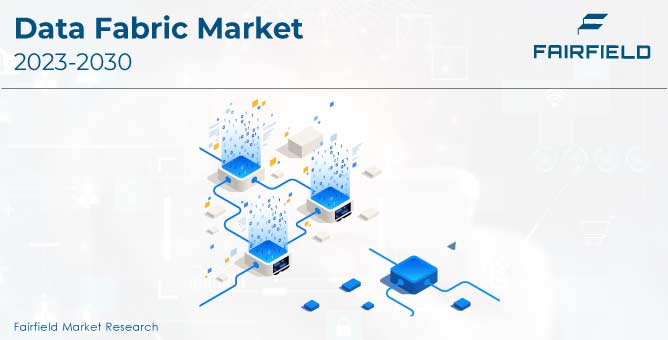
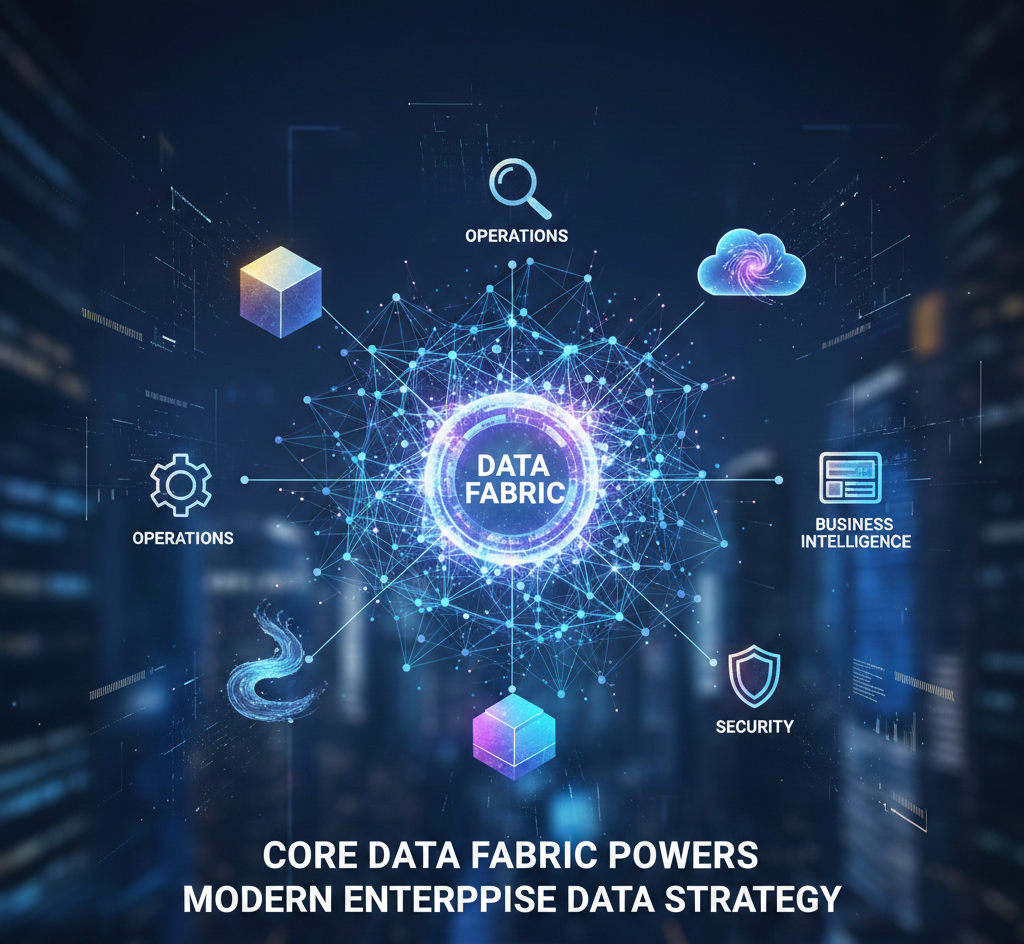
A core data fabric is an architectural framework that connects data across distributed environments while maintaining consistent governance and metadata management. It creates a virtual layer that integrates disparate data sources without requiring complete physical consolidation.
In traditional architectures, data integration often depends on point to point connections that are difficult to scale. A core data fabric eliminates these rigid structures by enabling dynamic data discovery, integration, and delivery. It leverages metadata driven intelligence to automate processes and ensure consistency across systems.
By centralizing visibility rather than centralizing data itself, a core data fabric supports hybrid and multi cloud strategies. Organizations can access and analyze data regardless of where it resides, reducing latency and improving operational efficiency.
Breaking Down Data Silos
Data silos are one of the most persistent obstacles to enterprise analytics success. When departments operate with isolated datasets, collaboration suffers and decision making becomes fragmented. Implementing a core data fabric bridges these silos by connecting systems through standardized integration and governance frameworks.
Through intelligent data orchestration, a core data fabric ensures that information flows seamlessly between applications, analytics platforms, and operational systems. This unified access fosters cross functional collaboration and strengthens organizational alignment.
In addition, a core data fabric enhances data discoverability. Business users can locate relevant datasets quickly, reducing reliance on manual requests and IT bottlenecks. Improved accessibility accelerates analytics initiatives and supports faster time to insight.
Strengthening Data Governance and Compliance
As regulatory requirements become more stringent, enterprises must demonstrate transparency and accountability in data handling practices. A core data fabric reinforces governance by embedding policies directly into the data architecture.
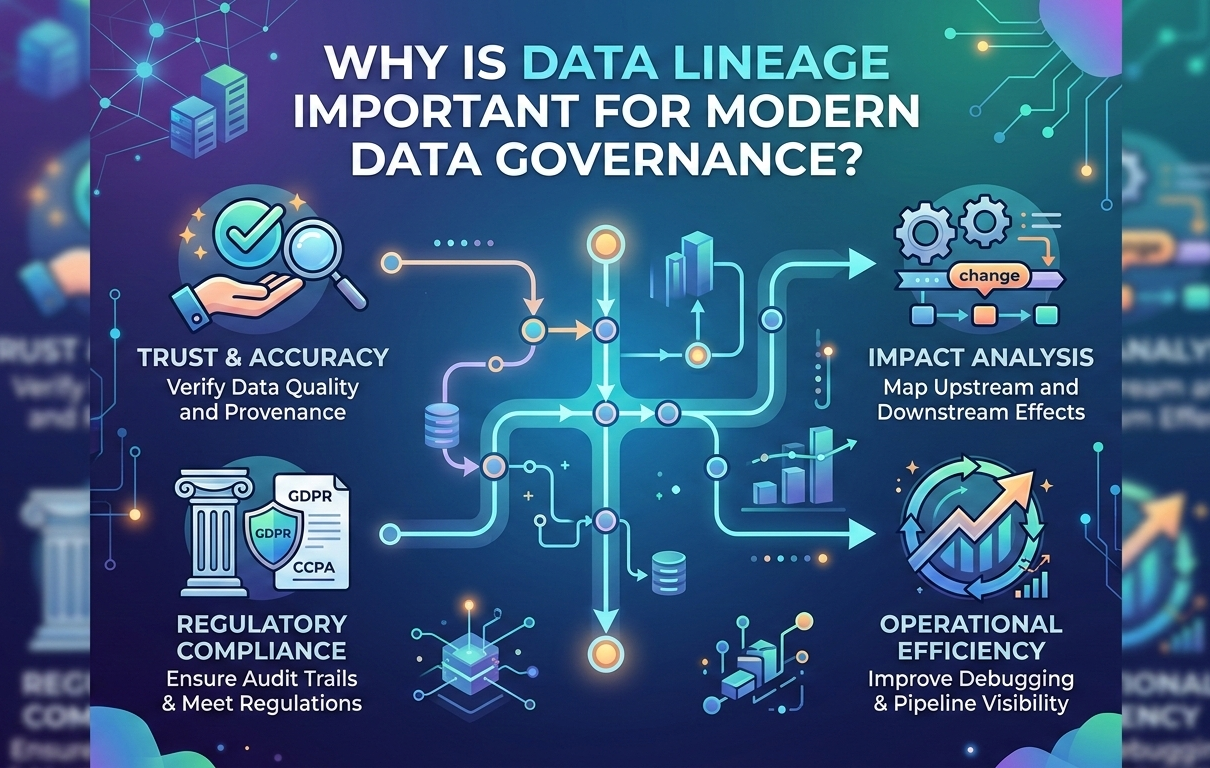
Metadata management plays a central role in this framework. A core data fabric continuously captures and updates metadata, enabling accurate data lineage tracking and policy enforcement. This visibility ensures that sensitive data is handled according to compliance standards and organizational guidelines.
By integrating governance into the architectural foundation, a core data fabric reduces risk and improves audit readiness. Organizations gain confidence that data usage aligns with regulatory obligations and internal controls.
Enabling Real Time Analytics and Innovation
Modern enterprises demand real time insights to remain competitive. Static batch processing models cannot support dynamic decision making or predictive analytics initiatives. A core data fabric addresses this limitation by facilitating continuous data integration and real time access.
With a core data fabric, analytics platforms can consume up to date data streams from diverse sources. This capability enhances machine learning models, operational dashboards, and customer facing applications.
Innovation thrives when data is readily available and trustworthy. A core data fabric eliminates delays caused by manual data preparation and fragmented pipelines. Teams can experiment with new use cases, deploy advanced analytics solutions, and respond to market changes more rapidly.
Supporting Hybrid and Multi Cloud Environments
The modern enterprise rarely operates within a single infrastructure environment. Hybrid and multi cloud strategies offer flexibility, scalability, and resilience. However, they also introduce integration complexity. A core data fabric simplifies this complexity by providing a unified management layer across environments.
Through consistent integration patterns and governance policies, a core data fabric ensures that data remains accessible and secure regardless of location. This interoperability reduces vendor lock in and enhances operational agility.
Furthermore, a core data fabric optimizes workload distribution across cloud platforms. Organizations can balance performance and cost considerations while maintaining seamless data connectivity.
Driving Operational Efficiency
Operational efficiency improves significantly when data integration processes are automated and standardized. A core data fabric reduces manual intervention by leveraging intelligent automation and metadata driven workflows.
This automation accelerates data onboarding and transformation processes. Instead of building custom integrations for each new data source, teams can rely on reusable patterns within the core data fabric framework. The result is faster deployment and reduced maintenance overhead.
Improved efficiency also translates into cost savings. By minimizing redundant data movement and simplifying infrastructure management, a core data fabric supports sustainable growth and optimized resource utilization.
Building a Future Ready Data Foundation
Digital transformation initiatives require a flexible and scalable data architecture. As technologies evolve and new data sources emerge, enterprises must adapt quickly. A core data fabric provides the adaptability needed to thrive in a rapidly changing environment.
By unifying integration, governance, and analytics capabilities, a core data fabric establishes a resilient foundation for long term success. Organizations can integrate emerging technologies such as artificial intelligence, Internet of Things platforms, and advanced analytics tools without overhauling their entire infrastructure.
Looking ahead, the importance of a core data fabric will continue to grow as data ecosystems become more distributed and dynamic. Enterprises that embrace this architectural model gain a competitive advantage rooted in agility, trust, and innovation.
Conclusion
In an era defined by data driven decision making, enterprises must move beyond fragmented integration strategies. A comprehensive core data fabric approach connects distributed systems, strengthens governance, and enables real time analytics across hybrid environments.
By embedding intelligence and automation into the data architecture, a core data fabric transforms complexity into clarity. Organizations achieve greater visibility, improved compliance, and faster innovation cycles.
Adopting a core data fabric is not merely a technical upgrade. It is a strategic shift that positions enterprises for sustained growth in a digital first world. Through unified integration and governance, businesses unlock the full potential of their data and build a future ready foundation for success.