Water damage is one of the most costly and stressful problems a homeowner can face. Two often-overlooked systems play a crucial role in protecting your property: the sump pump and your plumbing pipes. If your home still has poly B plumbing, it may be time to consider an upgrade while ensuring your sump pump is functioning properly.
Understanding how these two systems work together can help you prevent flooding, leaks, and expensive repairs.
Why a Sump Pump Is Essential for Your Home
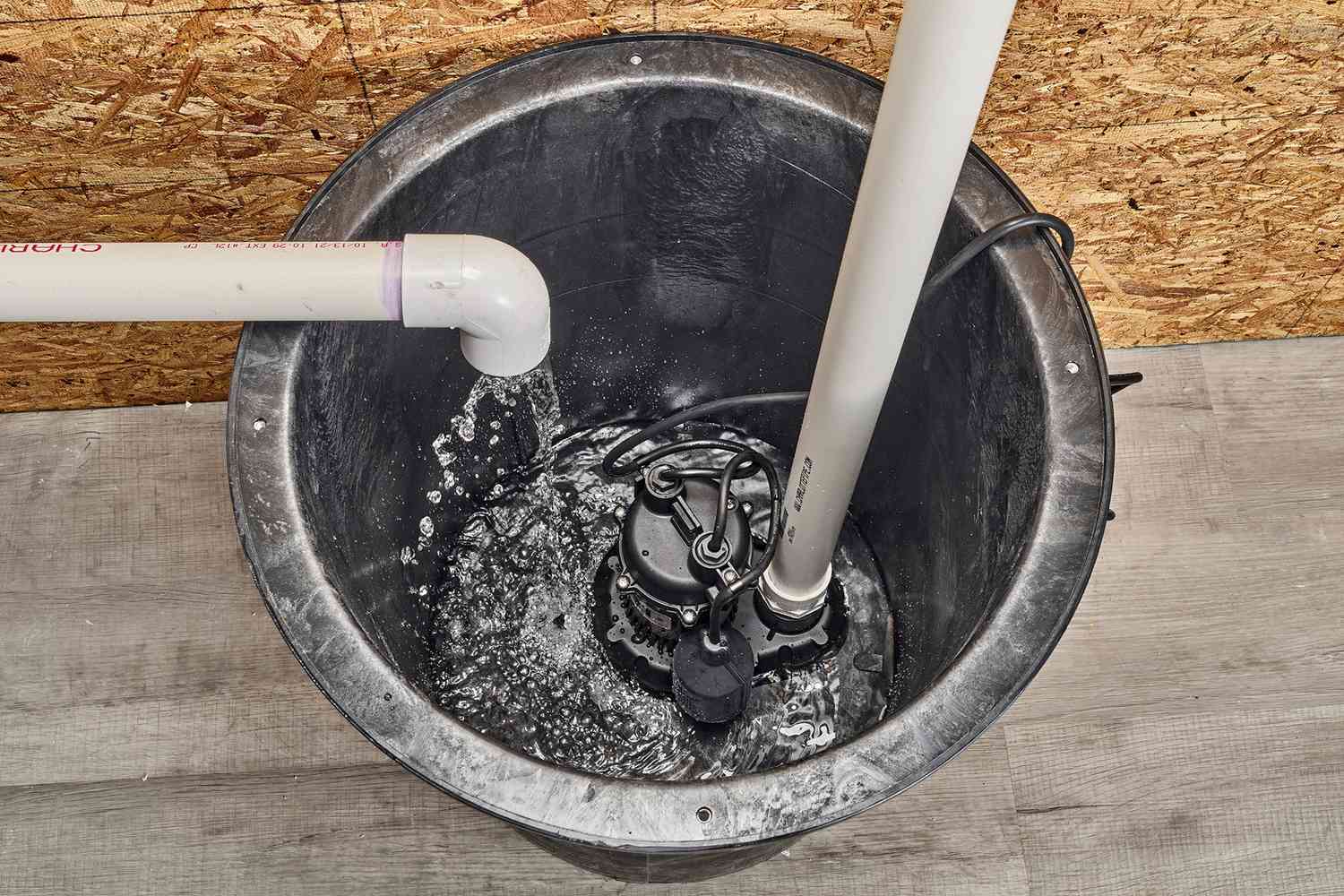
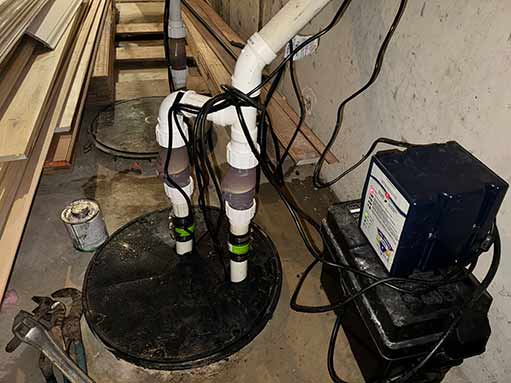
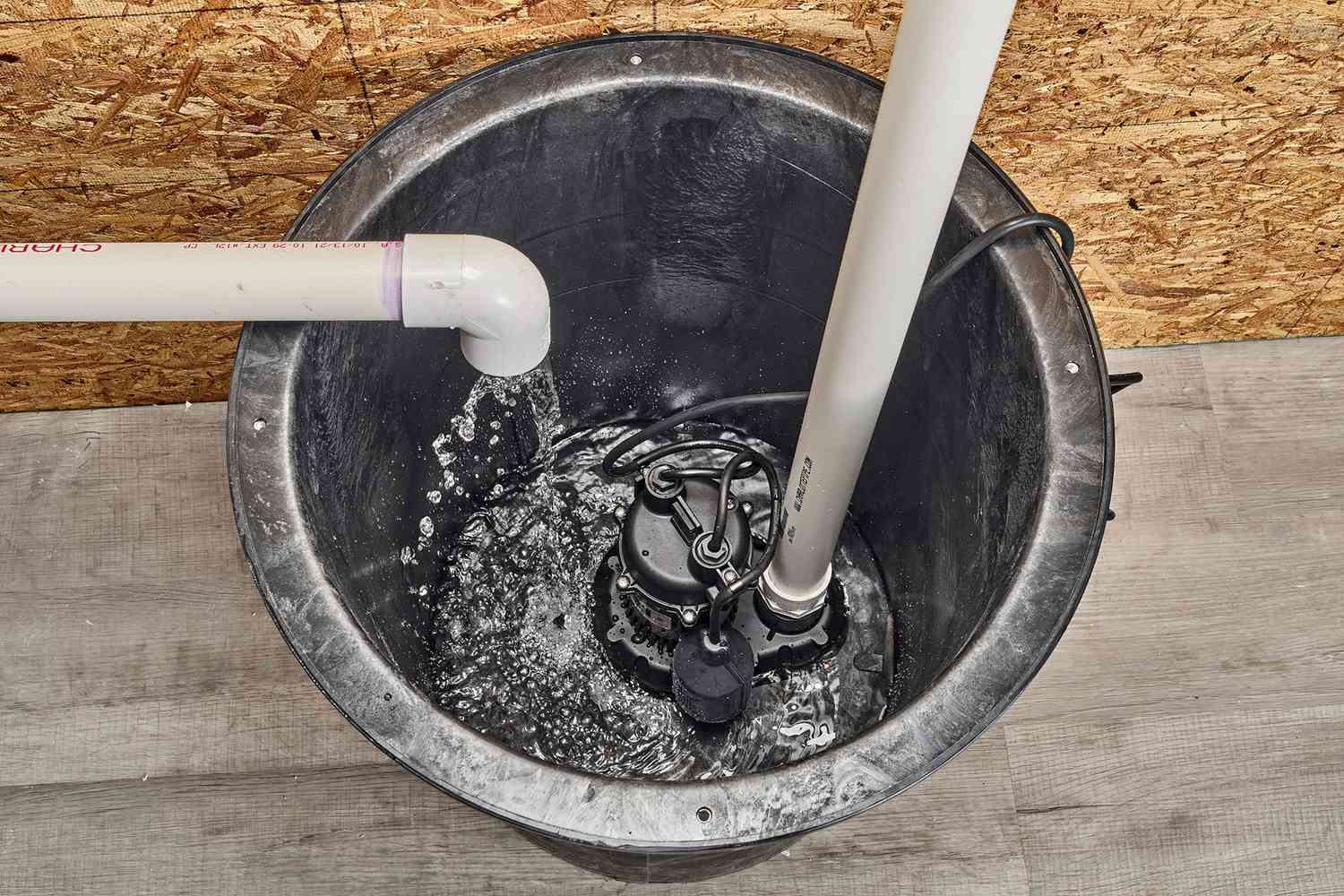
A sump pump is designed to remove excess water that collects in your basement or crawl space. It sits in a specially constructed pit (called a sump basin) and automatically pumps water away from your foundation when levels rise.
This system is especially important if you live in areas with:
- Heavy rainfall
- Melting snow
- High groundwater levels
- Poor yard drainage
Without a properly working sump pump, your basement can quickly flood, leading to mold growth, structural damage, and ruined belongings. Routine maintenance — such as testing the float switch, clearing debris, and checking discharge lines — ensures your sump pump is ready when you need it most.
The Hidden Risks of Poly B Plumbing
While a sump pump protects your home from groundwater, your internal plumbing system must also be reliable. Many homes built between the late 1970s and mid-1990s were installed with poly B plumbing (polybutylene pipes).
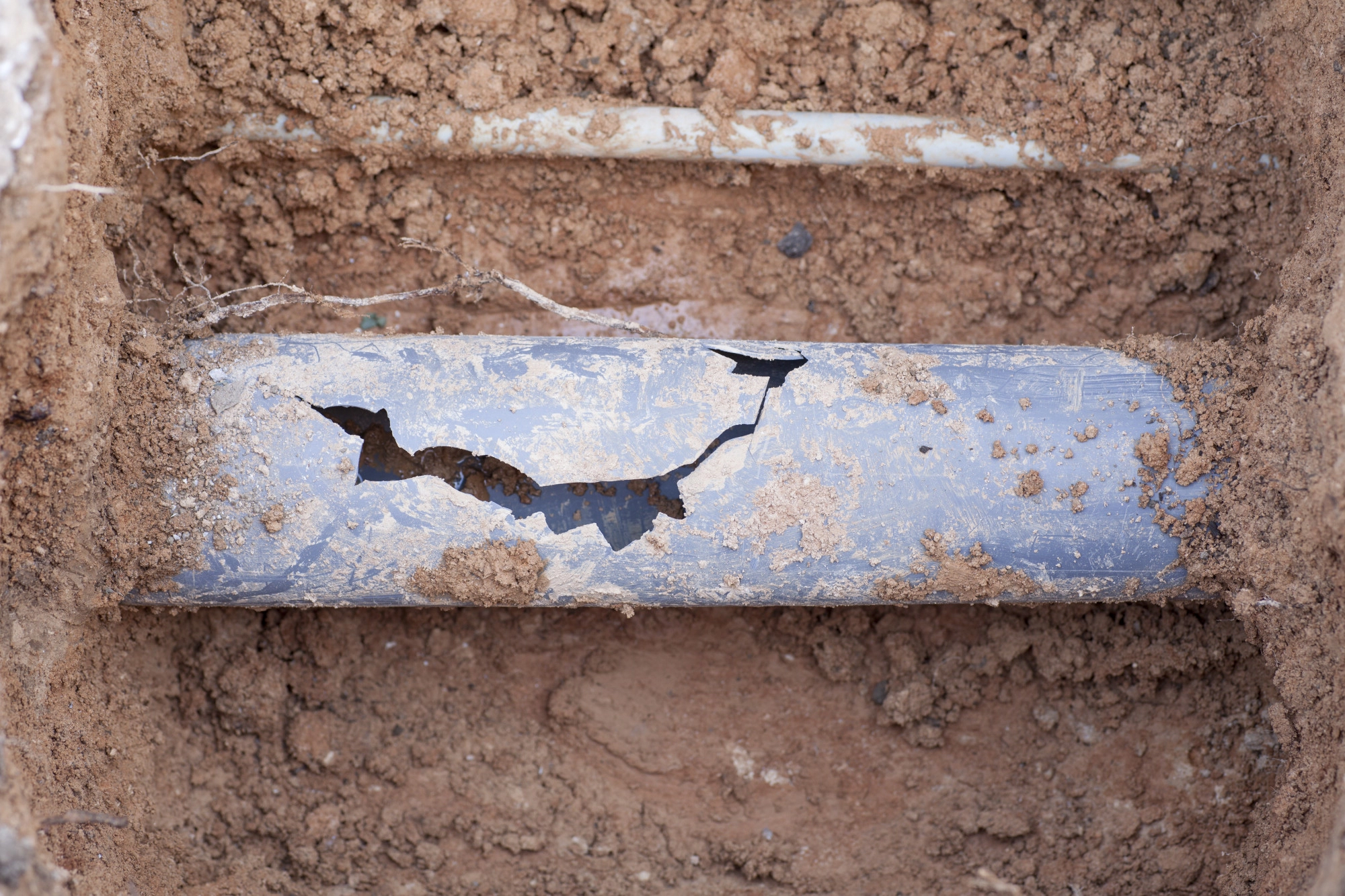
Poly B plumbing was once popular because it was affordable and easy to install. However, over time, these grey plastic pipes have been found to deteriorate from the inside. Exposure to chlorine and water pressure can cause the pipes to become brittle and crack without warning.
Common issues with poly B plumbing include:
- Sudden pipe leaks
- Weak fittings and joints
- Reduced water pressure
- Unexpected pipe bursts
Because the damage often occurs internally, leaks can happen without visible warning signs — potentially causing significant water damage behind walls and under floors.
Why Replacement Is a Smart Investment
If your home still contains poly B plumbing, proactive replacement can save you from costly emergency repairs. Modern materials such as PEX and copper provide greater durability, flexibility, and resistance to corrosion.
Replacing poly B plumbing:
- Increases property value
- Reduces insurance concerns
- Improves water flow and pressure
- Prevents unexpected pipe failures
Pairing updated plumbing with a properly maintained sump pump gives your home comprehensive protection against both internal leaks and external water intrusion.
The Importance of Professional Inspection
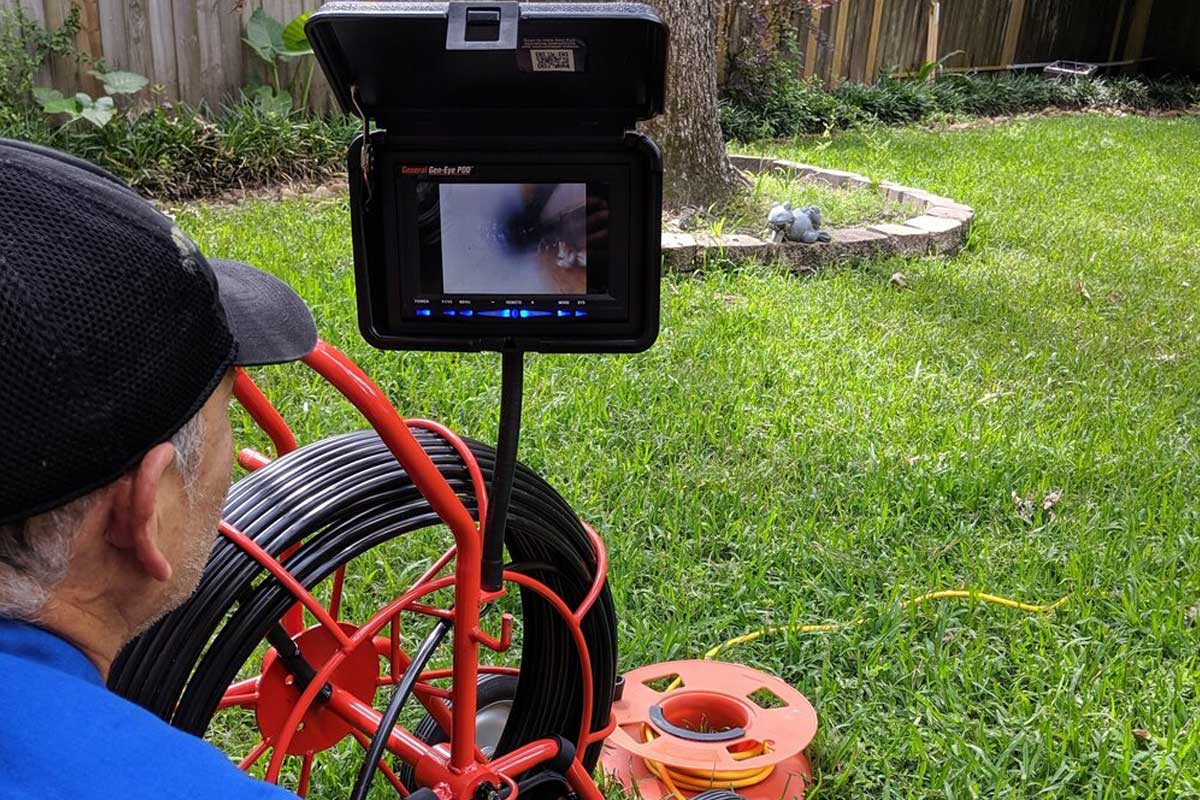
Whether you’re concerned about your sump pump performance or suspect you have poly B plumbing, a professional inspection is the best first step. A licensed plumber can:
- Identify existing polybutylene pipes
- Assess sump pump efficiency
- Recommend upgrades or replacements
- Ensure proper installation and code compliance
Early action prevents emergencies and protects your home’s foundation, walls, and flooring.
Final Thoughts
Your home’s water protection system relies on both an effective sump pump and durable plumbing materials. While a sump pump keeps groundwater at bay, outdated poly B plumbing can create hidden risks inside your walls.
Upgrading old piping and maintaining your sump pump ensures long-term peace of mind. Don’t wait for leaks or floods to take action — invest in preventative solutions that keep your home dry, safe, and secure for years to come.