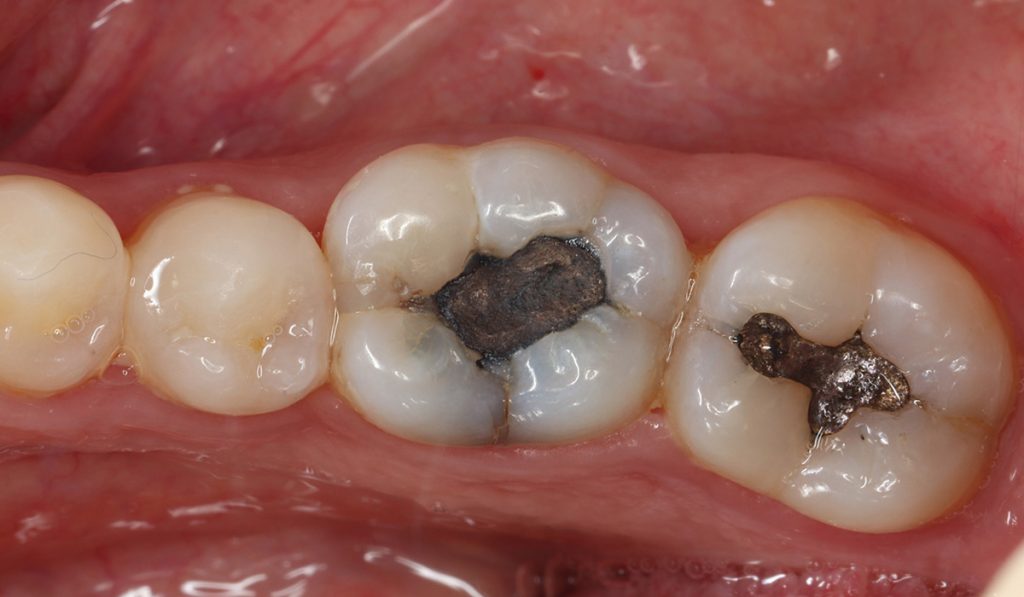



A permanent dental filling is a long-term restorative treatment used to repair teeth damaged by decay, minor fractures, or wear. After removing the decayed portion of the tooth, the dentist fills the cleaned cavity with a durable material to restore its shape, strength, and function. Unlike temporary fillings, which are placed for short-term protection, a permanent dental filling is designed to last for years with proper care. The main goal is to stop further decay, prevent infection, and maintain the natural structure of your tooth.
When Do You Need One?
You may need a permanent dental filling if you have a cavity, tooth sensitivity, visible holes in a tooth, or mild tooth pain when chewing. Dentists usually detect cavities during routine check-ups or through dental X-rays. Early treatment is essential because untreated decay can spread deeper into the tooth, potentially leading to root canal treatment or even extraction. Addressing the issue promptly with a permanent dental filling helps preserve your natural tooth and avoids more complex procedures in the future.
Types of Filling Materials Available
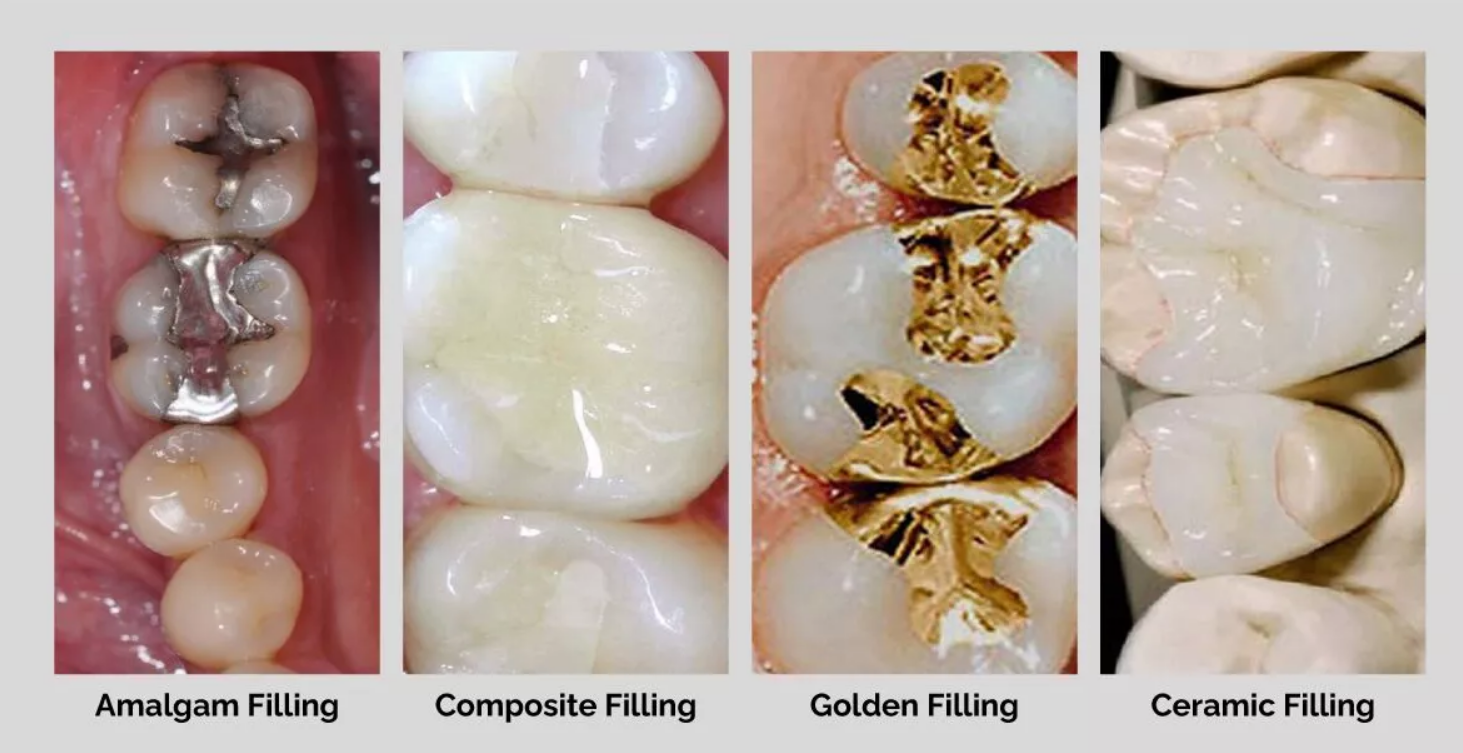
Several materials are used for permanent dental fillings, each with its own advantages. Composite resin fillings are tooth-colored and blend seamlessly with natural teeth, making them popular for visible areas. Amalgam fillings are highly durable and often used for back teeth that handle heavy chewing pressure. Ceramic and porcelain options offer excellent aesthetics and stain resistance, while gold fillings are extremely long-lasting but less common due to cost. Your dentist will recommend the most suitable material based on the location of the cavity, your budget, and your oral health needs.
What Happens During the Procedure?
The procedure for a permanent dental filling is straightforward and typically completed in one visit. First, the dentist numbs the area with local anesthesia to ensure comfort. The decayed portion of the tooth is carefully removed using specialized instruments. After cleaning and disinfecting the cavity, the chosen filling material is placed, shaped, and hardened using a curing light if necessary. Finally, the dentist polishes the filling and checks your bite to ensure proper alignment. Most patients can resume normal activities immediately after the appointment.
How to Care for Your Filling
Proper aftercare plays a crucial role in extending the lifespan of your permanent dental filling. Maintain good oral hygiene by brushing twice daily with fluoride toothpaste and flossing regularly. Avoid chewing hard objects like ice or pens, which can crack the filling. Limiting sugary foods and drinks reduces the risk of new cavities forming around the restored tooth. Regular dental check-ups allow your dentist to monitor the condition of the filling and address any early signs of wear or damage.
Bottom-Line
A permanent dental filling is a reliable and effective solution for treating cavities and restoring tooth function. With timely treatment, the right material choice, and consistent oral care, your filling can protect your smile for many years while preventing further dental complications.

Before selecting a dental filling clinic Delhi, it’s important to understand what type of treatment you require. Dental fillings are used to restore teeth affected by cavities, cra